
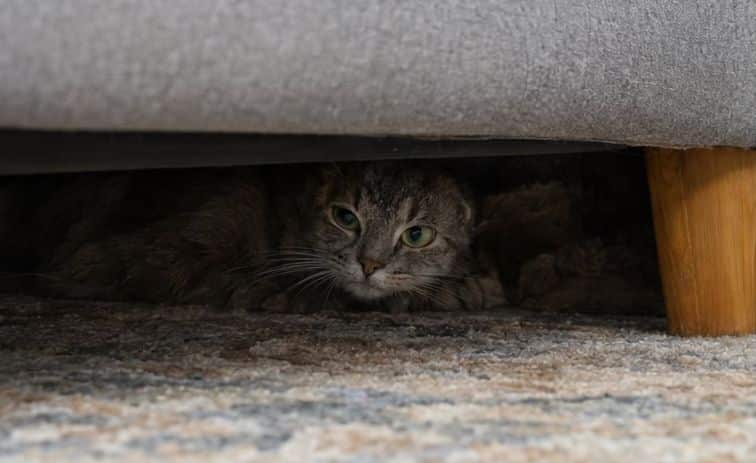
When your cat suddenly starts hiding more than usual, it usually means something has changed in their world.
Cats hide for many reasons—illness, stress, fear, changes at home, or just needing quiet time. Figuring out why helps you help them.
Some hiding is normal cat behavior↗. But if your cat suddenly hides more, it often means they need support.
Cats have sharp senses. They notice stuff we might miss, like new people, loud sounds, or not feeling well, and may hide to cope.
The trick is to know when hiding is just typical cat stuff or when it’s a sign that something’s wrong↗.
This guide lists common reasons cats start hiding and what you can do for each one.
Table Of Contents
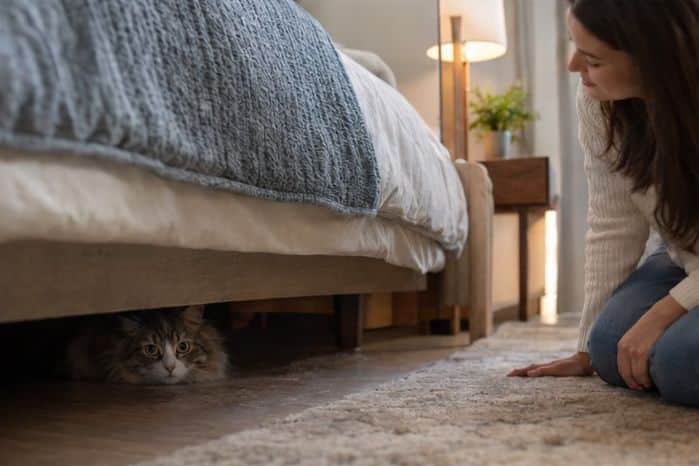
Key Takeaways
- Sudden hiding often means your cat feels stressed, sick, or unsettled by changes at home
- Normal hiding usually looks different, less frequent, shorter, and without other symptoms
- Helping a hiding cat starts with figuring out the cause and making them feel safe
Understanding Normal Feline Behavior
Cats love quiet, tucked away spots for rest and security. We already know this.
If your cat suddenly starts hiding more, it might mean they’re stressed, scared, or not feeling well.
Spotting the difference between typical hiding and warning signs helps you know what your cat needs.
Typical Hiding Habits Versus Concerning Changes
Healthy cats hide for short spells during the day.
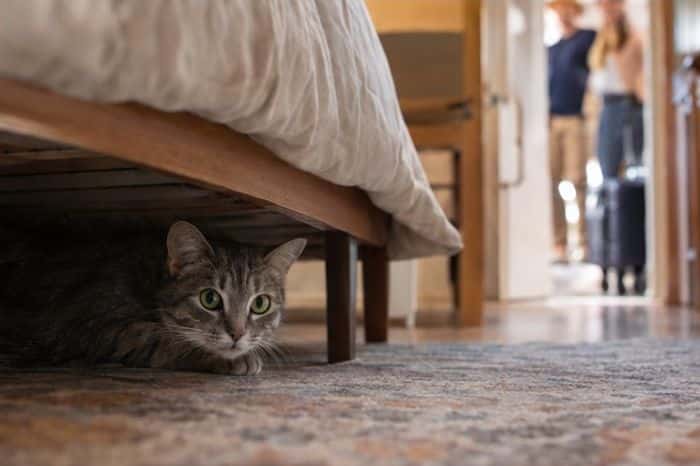
They might nap in a closet, duck under the bed during loud noises, or slip away when guests visit. That’s totally normal and usually only lasts a few hours.
But if your cat hides for days, skips meals, or avoids people they usually like, that’s more concerning.
Even when hiding, your cat should still eat, drink, and use the litter box as usual.
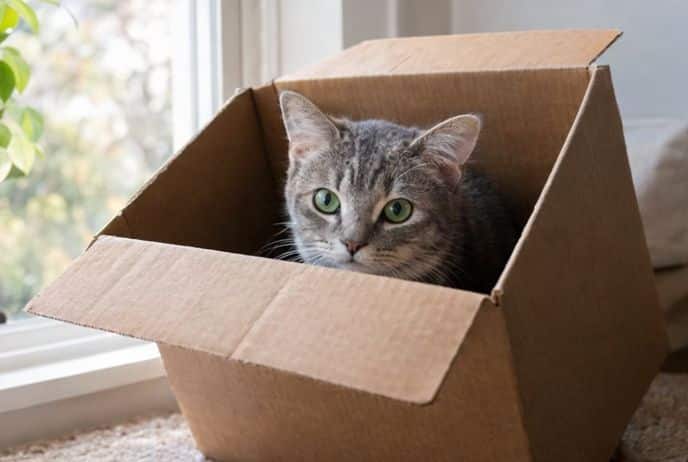
Normal hiding behaviors:
- Hiding for 1-3 hours after something stressful
- Picking quiet spots for nap time
- Retreating briefly when startled
- Coming out for food and play
Warning signs:
- Staying hidden for over 12 hours straight
- Skipping meals or not using the litter box
- Ignoring favorite toys or treats
- Hiding with changes in meowing or acting aggressive
Common Triggers for Temporary Hiding
Environmental changes often make cats hide for a bit.
Moving furniture, bringing home new things, or changing your routine can send your cat to their favorite hiding spot.
Loud noises like thunderstorms, fireworks, construction, or even the vacuum, make many cats bolt for cover.
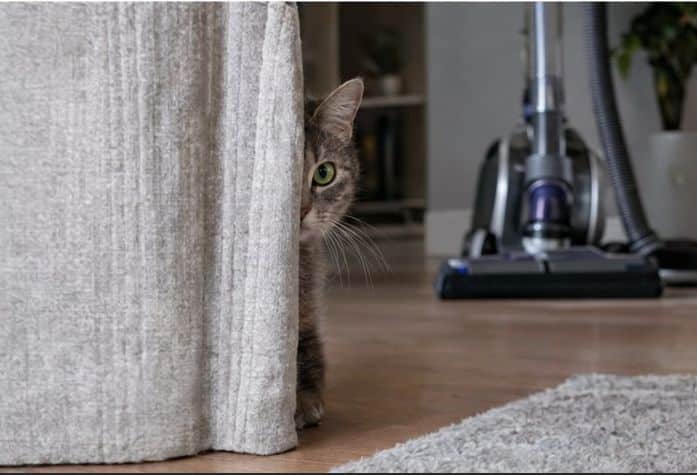
Most cats come out again once the noise stops and things feel safe.
New people or animals in the house can stress cats out. When visitors show up or you add a new pet, don’t be surprised if your cat disappears for a while.
Usually, they come around as they get used to the changes.
How Cats Use Hiding as a Coping Mechanism
Hiding is a cat’s go to way to handle stress.
When they feel overwhelmed, scared, or sick, they look for enclosed spots where they feel safe. That’s an instinct from their wild ancestors.
Hiding helps cats calm down and check out what’s going on without feeling exposed.
It’s a healthy way to self soothe, as long as it doesn’t go overboard.
If your cat hurts or feels sick, they’ll hide because, in the wild, showing weakness is risky. Even though your home is safe, those instincts run deep.

Medical Causes Behind Persistent Hiding
If your cat hides all the time, it often means they’re dealing with a health issue.
Cats are pros at hiding pain, so they’ll retreat when they feel bad.
Pain or Discomfort From Illness or Injury
Cats in pain search for quiet, dark places where they feel protected. That’s just instinct.
Common painful problems that cause hiding:
- Dental disease or tooth pain
- Urinary tract infections or blockages
- Arthritis or sore joints
- Injuries from falls or accidents
- Digestive issues like constipation or IBD
Your cat might also eat less, avoid the litter box, or move stiffly. Some stop grooming or complain when you touch certain spots.
If your cat hides after jumping off furniture or avoids stairs, joint pain could be to blame.
Dental pain is super common in older cats↗. Watch for drooling, pawing at the mouth, or eating on just one side.
Impact of Chronic Health Conditions
Long term health issues can make cats feel worse over time, so they hide more.
Kidney disease is really common in older cats and causes nausea and weakness.
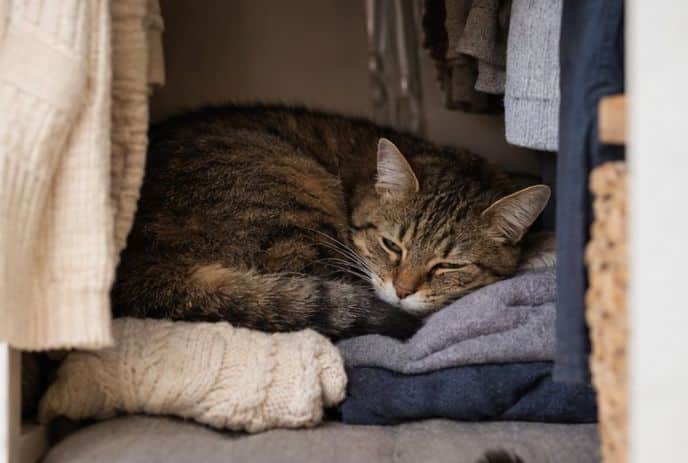
Diabetes affects how your cat’s body uses energy. If it’s not treated, cats often get tired and want to be alone. This was our cat, Tom. He would take himself off and hide which was just one of the signs that proppted a trip to the vet.
Hyperthyroidism can make cats anxious and jittery, so they hide to get relief.
Cancer or heart disease can cause pain, fatigue, or trouble breathing, and cats hide when they don’t feel right.
Your vet will need to run bloodwork, urine tests, or scans to figure out what’s wrong. Catching things early really helps.
Medication Side Effects
Some meds can make cats want to hide, too. Antibiotics might upset their stomachs, so they go off to be alone.
Pain meds can make cats sleepy or a little out of it. Steroids sometimes make cats anxious or give them tummy trouble.
If your cat starts hiding after you start a new medication, call your vet. They can tweak the dose or try something else.
Don’t stop meds on your own, though, always ask your vet first.
Environmental Changes Affecting Your Cat
Cats are creatures of habit. They rely on familiar routines and spaces to feel safe.
When their environment changes, it’s pretty common for cats to hide until things settle down.
Recent Household Changes
Moving furniture, switching up rooms, or bringing in new stuff can throw off your cat’s sense of security.
Cats make mental maps of their territory and like things where they expect them.
Even little changes, like a new couch or moving the litter box can set off hiding.
Cats use scents and landmarks to get around, so messing with those can stress them out.
Household changes that might make your cat hide:
- Moving to a new place
- Changing furniture around
- Adding big decorations or new objects
- Switching up food spots
- Changing which rooms they can go in
Let your cat explore changes at their own pace. Keep their favorite bed, toys, and scratchers in easy spots so they have some comfort while things are in flux.
Arrival of New Pets or Family Members
New people or pets can really shake up your cat’s world.
If you bring home a baby, partner, roommate, or another pet, your cat might hide to deal with the disruption.
Other animals are often the biggest challenge. A new dog or cat changes the social balance and your cat might hide to avoid drama or having to share resources.
New people can be tough, too. Babies come with new sounds and smells. Visitors or roommates bring new routines and energy into spaces your cat thinks are theirs.
Set up safe spaces for your cat to retreat. Offer vertical territory↗ like cat trees↗ so they can observe from a distance.
Try to keep their feeding and litter box spots the same during the transition.
Loud Noises or Home Renovations
Construction, power tools, and strangers in the house can overwhelm cats.
Their hearing is crazy sensitive, so loud or sudden noises can be terrifying and send them running for cover.
Renovations are especially rough—strange people, weird sounds, and familiar rooms suddenly off-limits or smelling different.
Noises that can make cats hide:
- Drills and hammers
- Vacuuming or yard work
- Thunderstorms and fireworks
- Appliance repairs
- Construction equipment
Try setting up a quiet room away from the chaos.
Put their litter box, food, water, and a cozy bed in there. White noise or soft music can help drown out scary sounds.
Behavioral and Emotional Factors
Cats are sensitive souls. Emotional stress or changes in their social world can make them hide, even if they’re healthy physically.
Stress and Anxiety in Cats
Your cat might hide when they feel anxious or overwhelmed. Big stressors include loud noises, like storms or construction, or changes in your routine, like new work hours.
Cats react to stress in different ways. Some get clingy,↗ others disappear for a while.
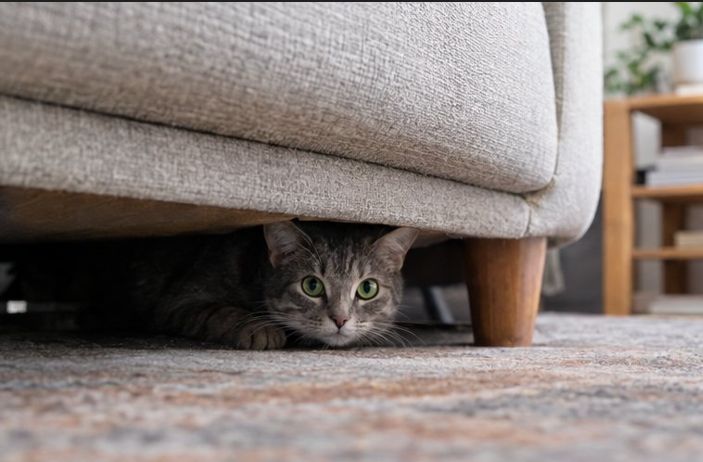
Anxious cats usually pick the same hiding spots over and over. They go for dark, enclosed places, under beds, in closets, or behind furniture.
Watch your cat’s body language. Flattened ears, big pupils, tucked tail, or over-grooming all hint at stress. If you see these signs along with hiding, anxiety is likely the culprit.
Territorial Conflicts
In homes with multiple cats, territorial squabbles can drive some cats into hiding.
One cat might bully another and block food, water, or litter boxes. The more timid cat hides to steer clear of trouble.
Resource competition is stressful. Make sure you’ve got plenty of feeding spots,↗ water bowls, and litter boxes, one per cat, plus an extra.
Put them in different rooms so one cat can’t guard everything.
New pets can upset the balance fast. A new cat, dog, or other animal brings new smells and routines, which can push your existing cat to hide for a while, at least until things settle down or you step in to help smooth things over.
Traumatic Events or Negative Associations
One scary experience can leave your cat acting differently. You might notice your cat hiding after something like being stepped on, getting their tail caught in a door, or even seeing a predator outside the window.
Cats remember where bad things happen. If your cat had a painful or frightening moment in a certain room, they’ll probably steer clear of that spot.
Even basic medical procedures can make your cat nervous about that area or about you for a while. They might hide more after a vet visit.
Punishment or rough handling breaks trust quickly. If you yell, grab, or discipline your cat physically, they’ll likely become fearful↗ and look for hiding places.
Some cats end up avoiding specific family members if they connect them with bad experiences.
Effective Steps to Support Your Cat
If your cat is hiding more than usual, it’s time to step in. You’ll want to help them feel safe and figure out what’s going on underneath it all.
Creating Safe and Comfortable Spaces
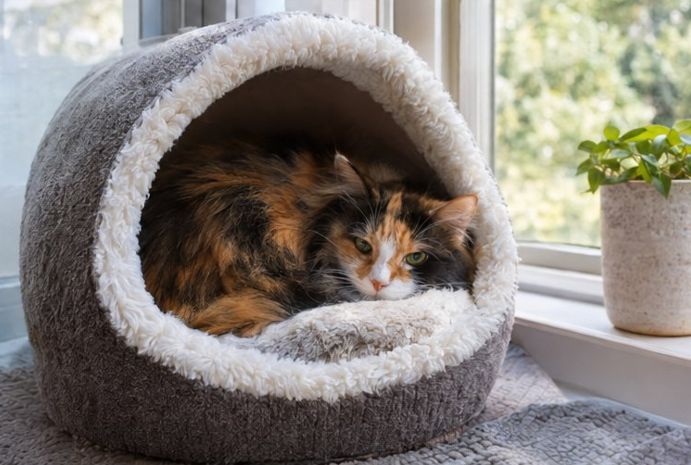
Give your cat plenty of hiding spots around the house. Cardboard boxes, cat tunnels, or cozy beds in quiet corners all work well.
Cats love being up high, so set up safe spaces at different heights. Toss in some familiar blankets or toys↗ with their scent to make these places feel like home.
Keep food, water, and li