
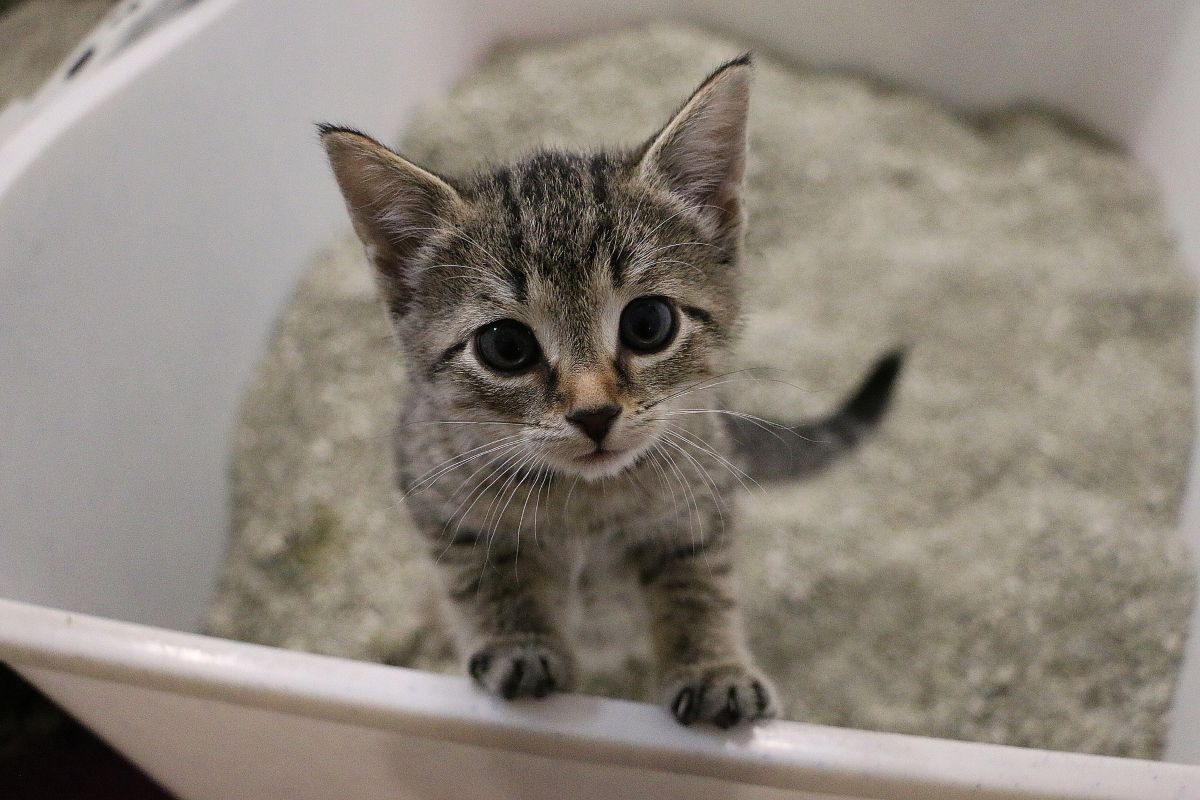
A good kitten litter box is low, shallow, and roomy enough for a small cat to turn around in without feeling boxed in.
The best starting setup for most kittens is an open, uncovered tray around 13 by 9 inches with one side cut low enough for easy climbing, filled with about an inch of unscented, non clumping litter.
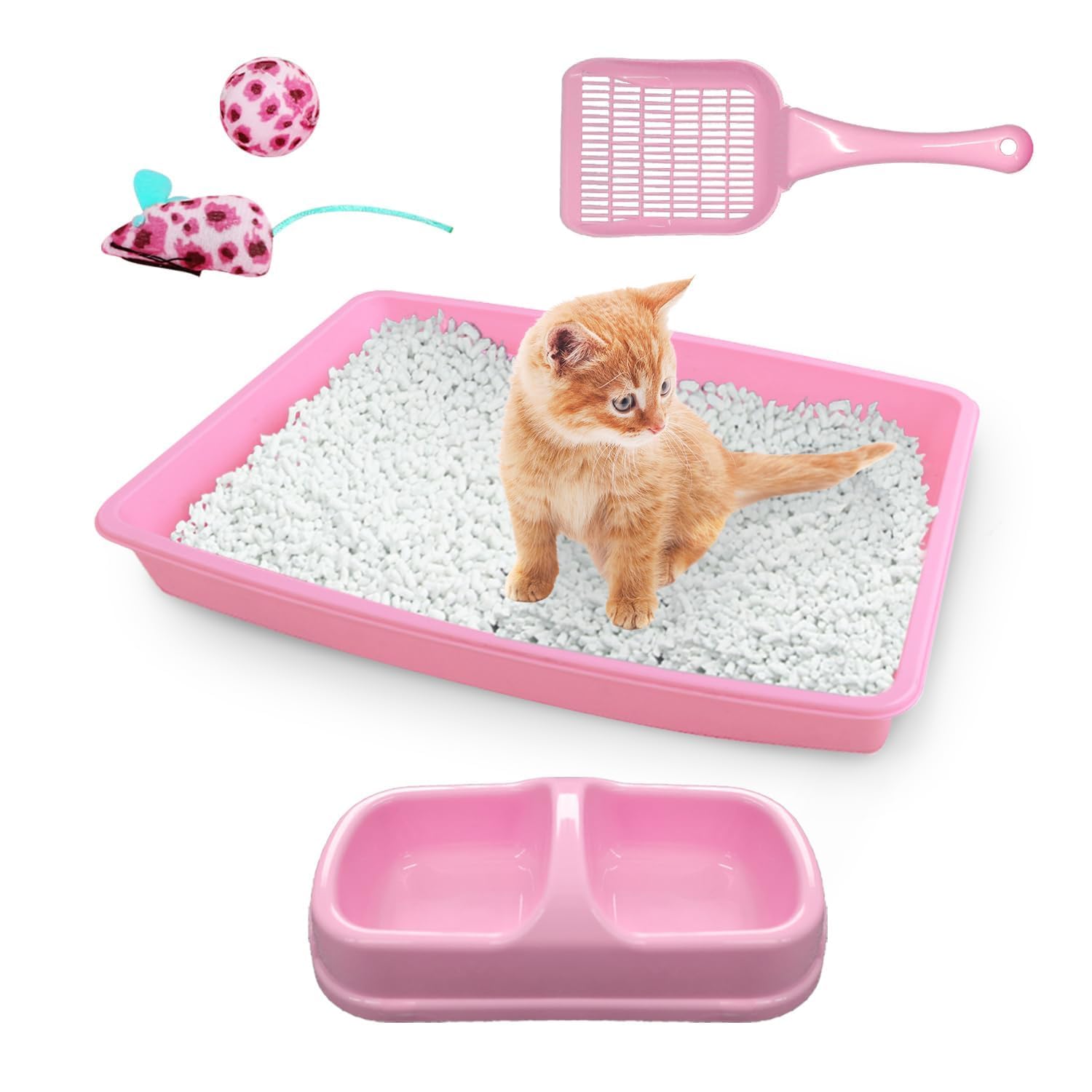
- Kitten Starter Kit: The package includes 1 kitten litter box, 1 scoop, 1 cat bowl, and 2 cat toys. It is...
- Top Entry Litter Box: The small kitten litter box without a lid is about 14.3x10.6 inches. Designed with...
- The litter scooper shovel captures dirt, and the front edge helps to loosen the litter from the bottom...
- The size of the double plastic kitty bowls is 8.2 x 3.9 inches. The bowls are divided into 2 parts, they...

- Four (4) 10 lb. Bags - Purina Tidy Cats Non Clumping Cat Litter, 24/7 Performance Multi Cat Litter
- If you loved this Tidy... try searching code B001411SK0 or B083QPH4VT for more great options
- Around-the-clock odor control
- Designed to accommodate multiple cats
That combination solves the two biggest early hurdles, getting in and out of the litter box without effort, and avoiding clumping litter that could cause harm if swallowed during those curious first exploratory nibbles.
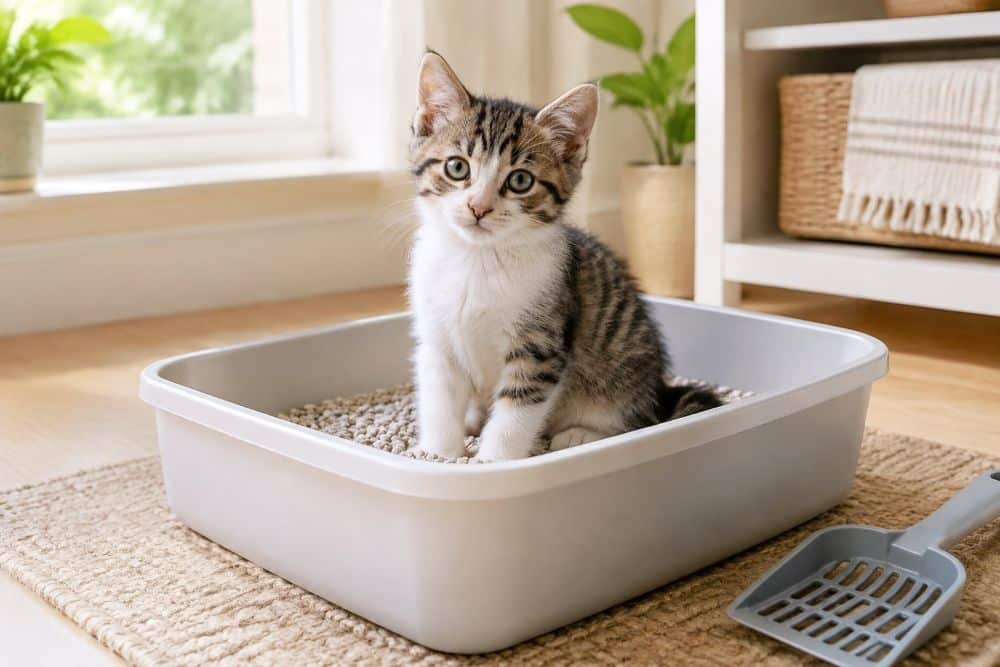
Getting the litter and litter box set up right early pays off for months. Kittens that struggle to access or feel safe in their first litter box often develop habits that are harder to undo later, while kittens who have a smooth introduction tend to carry those good habits straight into adulthood.
The rest of this guide walks through box styles, timing, litter safety, and the cleaning routine that keeps a kitten coming back to the same spot every time.
Table Of Contents
What Makes a Litter Box Easy for a Kitten to Use?
An easy to use kitten litter box has a low entry point, generous floor space, and an open or barely covered top so the kitten never feels trapped. Kittens have short legs and developing confidence, so reducing physical obstacles is essential.
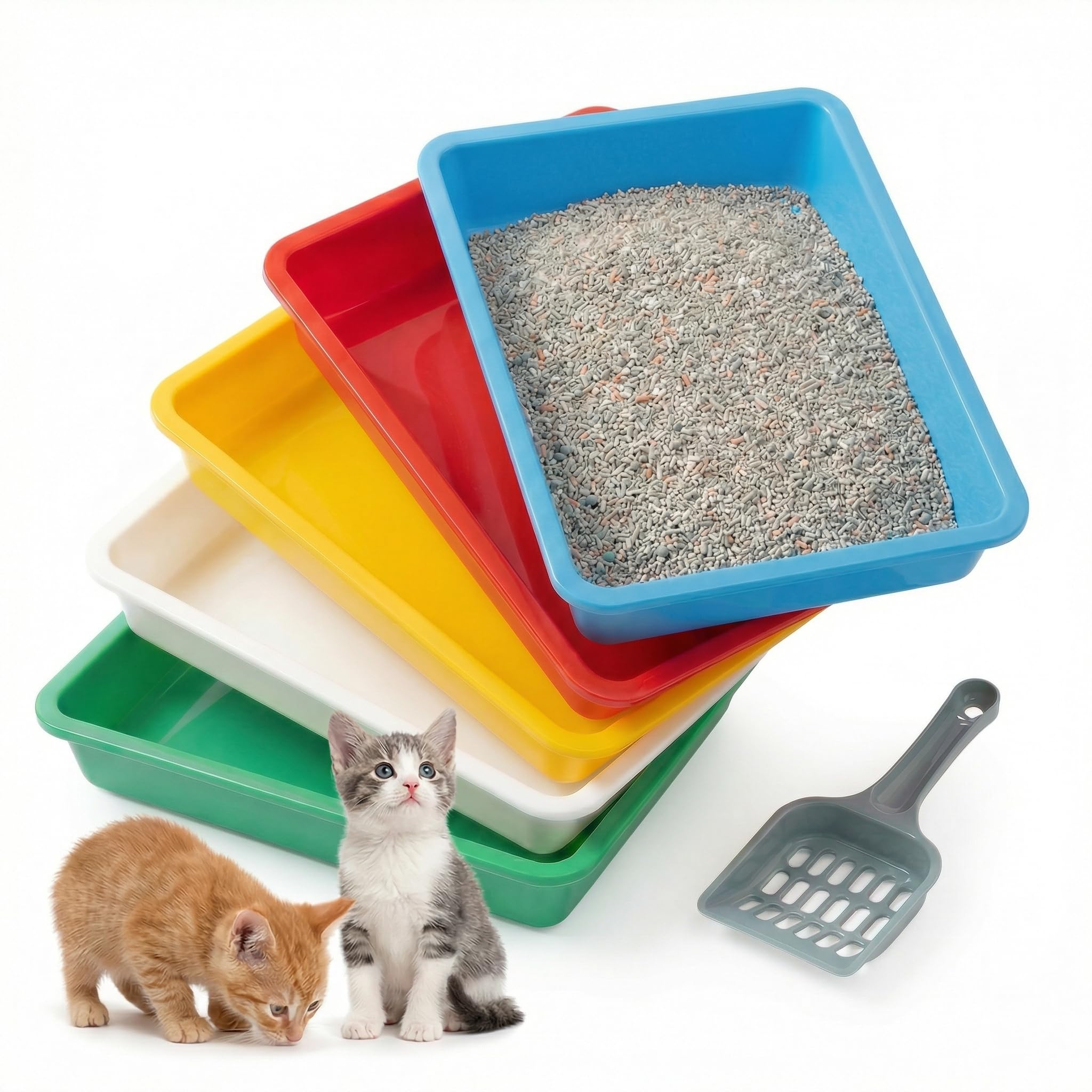
- 【Package Contents】You will get 5 kitten litter boxes, 5 colors, 1 litter scoop, enough quantity to...
- 【Suitable Size】Our litter box measures 10.8x8.2x1.5 inches, suitable for small pets, and the shallow...
- 【Open Open Design】Our litter box features a low entry, open design making it easy for kittens to use....
- 【High Quality Material】Our cat litter box is made of high quality plastic, which is waterproof, not...
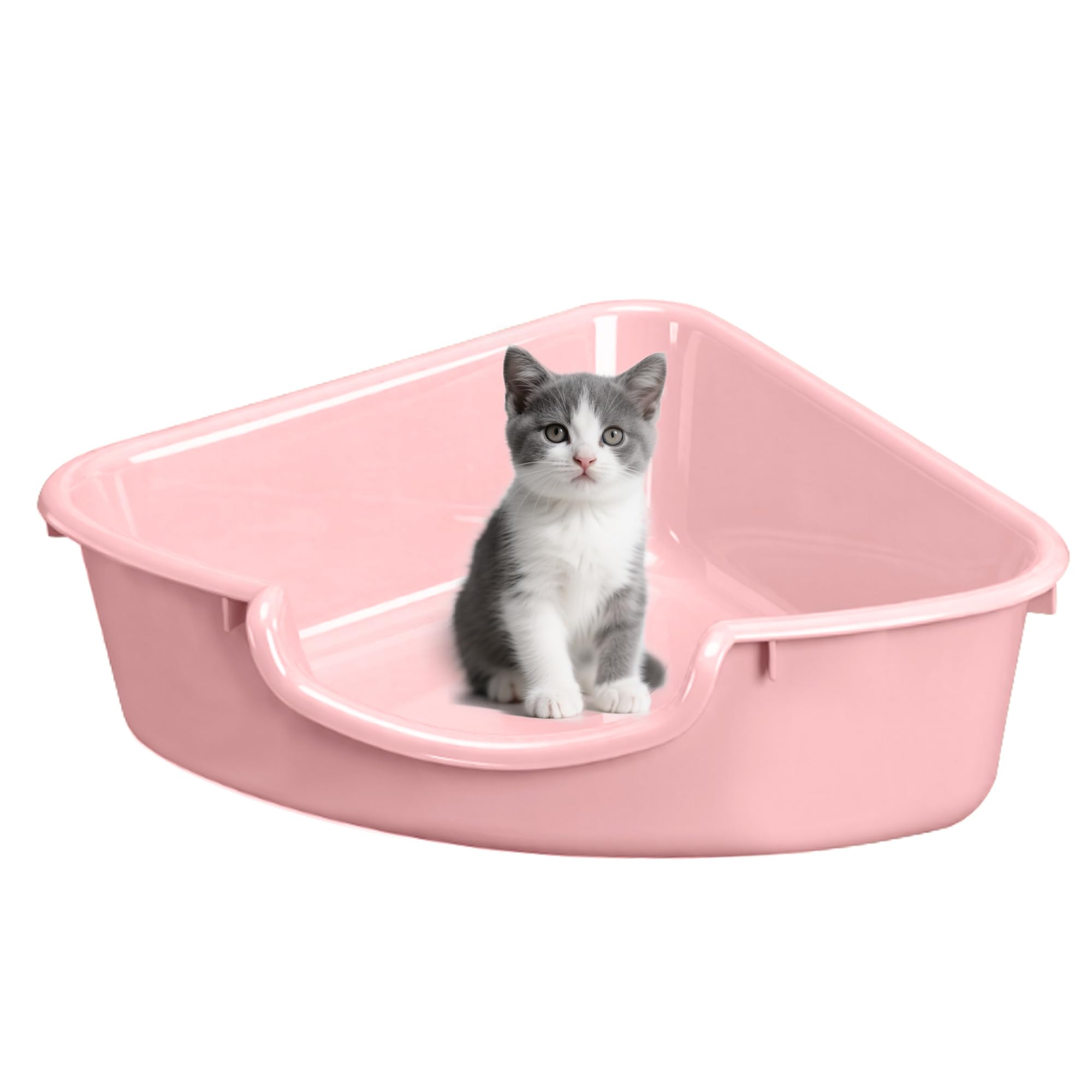
- SPACE-SAVING CORNER LITTER BOX – Designed with an isosceles triangular shape, this corner litter box...
- 3.5-INCH LOW ENTRY LITTER BOX – The lowered front opening makes it easier for kittens around 4 weeks...
- SMALL LITTER BOX FOR KITTENS – Measuring 14.5 inches across the front, with two 11.8-inch sides and a...
- STABLE & PAW-FRIENDLY KITTEN LITTER BOX – The molded bottom pattern helps reduce sliding on smooth...

- 【Ideal for All Pets】: Our low entry stainless steel litter box is perfect for senior arthritic cats,...
- 【Durable and Easy to Clean】: Made from high-quality stainless steel, this small metal litter box is...
- 【Safe Design】: Featuring rounded corners and no sharp edges, this metal kitty litter box ensures safe...
- 【Versatile Size】: With dimensions of 15.75''L x 11.81''W x 2.76''H, our shallow litter box is...
How Low Should the Entry Be?
The entry point matters more than almost any other feature for a young kitten. A wall higher than the kitten’s body length turns a simple bathroom trip into a climbing challenge, which discourages use fast.
Look for one side cut down close to floor level, or use a shallow storage container as a temporary stand in. This single adjustment solves most early access problems.
What Size Gives a Growing Kitten Enough Room?
Sizing should scale with the kitten, not stay fixed. Dr. Sally J. Foote, a feline behavior consultant certified by the International Association of Animal Behavior Consultants, recommends a litter tray of 13 by 9 inches for young kittens, according to PetMD.
A general rule across sources is that the box for a kitten should measure about 1.5 times the kitten’s length from nose to tail base. Plan to size up every few weeks as your kitten grows toward a standard cat litter box.
When Do Open, High Sided, and Covered Boxes Make Sense?
Open, low sided boxes suit almost every kitten under four months old because they remove the enclosure and the climb.
A high sided box works once a kitten is older and confident, mainly to contain litter scatter from vigorous digging.
Covered boxes can work for kittens who want privacy, but many cats feel trapped inside one, since “in nature, cats don’t want to get caught by a predator inside an enclosed area,” as cat behavior consultant Mieshelle Nagelschneider explains in PetMD’s litter training guide. If you’re deciding between styles long term, this breakdown of uncovered or covered litter boxes↗ walks through the trade offs in more detail.