Feeding your cat isn’t just tossing food in a bowl and calling it a day. The amount of food you feed your cat really impacts the cat’s weight, energy, and health as they age.
Cats need different portions depending on their age, weight, and just how much they zoom around (or don’t) every day.
Getting portions right can help you avoid big problems like weight gain, missing nutrients, or even weird changes in behavior.
Cats are obligate carnivores, so they really need nutrients found only in animal proteins.
Sure, cat food packaging gives you a ballpark, but every cat’s different. Your own cat might need more or less food than the label says.
Why Proper Feeding Amounts For Cats Is Important
1. Stops Weight Gain and Health Problems
Overfeeding leads to weight problems, especially for indoor cats who don’t move as much. Extra pounds can mean diabetes, sore joints, heart issues, and a shorter life.
Even a couple of pounds can make a big difference on a small cat.
When you stick to feeding guidelines by age and weight, you help your cat stay at a healthy weight and lower their risk of health issues.
2. Stops Underfeeding and Missing Nutrients
Some cats just don’t get enough food or the right nutrients, especially rescues, seniors, or sick cats when people guess at portions.
Not enough food can lead to:
- Low energy levels
- Weak ability to fight illness
- Muscle loss
- Slow growth in young cats
Feeding recommendations help your cat stay healthy and strong, not just scrape by.
3. Adjusts for Your Cat’s Unique Needs
Indoor cats usually need less food than outdoor adventurers.

Some breeds burn more calories, and older cats with stiff joints need fewer calories but still need good nutrition.
When you use structured feeding guides, you can tweak meals for your own cat instead of guessing.
4. Different Cat Food Types and Calories
Not all cat food is created equal. Dry food packs more calories in a smaller portion than wet food.
A tiny cup of kibble can match the calories in a whole can of wet food.
The amount you feed depends on:
- Wet vs. dry food
- Grain-free or regular recipes
- Premium or budget brands
Most feeding plans list calories per serving, so you can measure by calories instead of just scooping out a cup.
How Much to Feed Based on Your Cat’s Age
How old your cat is really changes how much food they need.
Kittens need more calories to grow.
Older cats need nutrition that keeps them healthy as they slow down. Keep the protein intake high.

Young Cats from Birth to One Year
Kittens under a year are still growing fast.
Kittens need extra fat, protein, and calories compared to adult cats. Their tummies are tiny, so they need to eat several times a day.
Age Based Feeding For Kittens:
- Birth to 4 weeks: Nursing or bottle every 2–4 hours
- 4 to 8 weeks: Introduce soft wet food mixed with water or formula
- 2 to 6 months: Feed 3–4 times daily
- 6 to 12 months: Drop to 2–3 meals daily
Daily Calories by Weight:
| Weight | Calories Needed |
|---|---|
| 1 lb | 50–60 |
| 2 lbs | 100–120 |
| 5 lbs | 200–250 |
Stick to food made just for kittens during this stage.
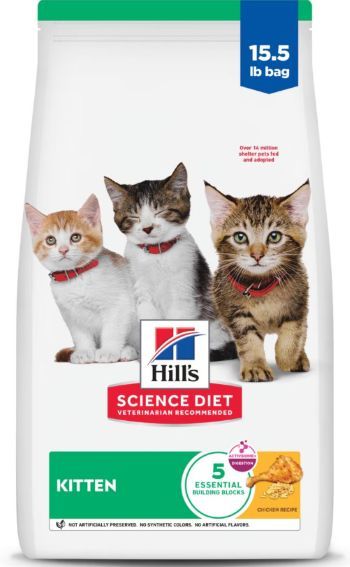
Weigh your kitten every week to keep track. Most kittens switch to adult food around 10–12 months, depending on breed and size.
Kittens need about 60 – 65 calories per pound of body weight daily. Honestly, it’s a lot for such little fuzzballs.
Fully Grown Cats from One to Seven Years
Adult cats need steady calories to keep their weight in check. It’s super easy to overfeed during these years.
Most adults do well with two meals a day. The average indoor cat needs 20–25 calories per pound of body weight every day.
Daily Calorie Chart:
| Weight | Calories Needed |
|---|---|
| 8 lbs | 160–200 |
| 10 lbs | 200–250 |
| 12 lbs | 240–300 |
Keep an eye on your cat’s weight and shape every month or so. Spayed or neutered cats usually need fewer calories.
Playing with your cat↗ regularly helps burn off energy and keeps the pounds off.
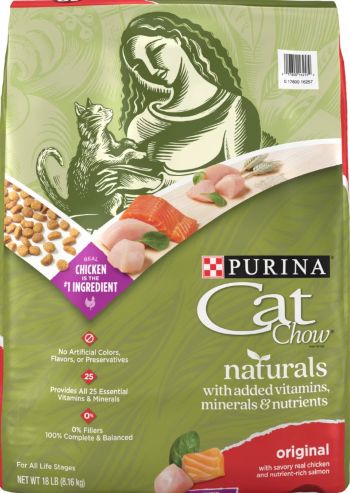
Older Cats Seven Years and Beyond
Senior cats tend to slow down and move less↗. If they have health issues, digestion troubles, or dental pain↗, they might need more focused nutrition.
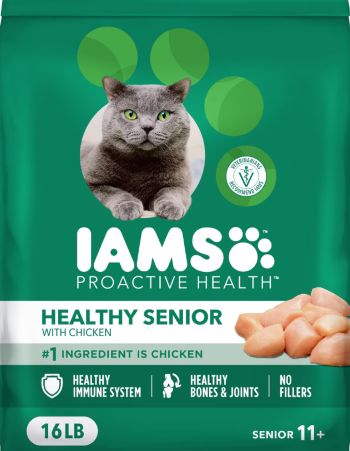
Feed your older cat twice a day. Some cats do better with smaller, more frequent meals. Most seniors need 15–20 calories per pound daily, so a 10-pound cat would need 150–200 calories a day.
Choose food for seniors that supports joints, kidneys, and heart.
Wet food is often easier for them to eat and gives extra water. You can always add a little extra nutritious gravy↗ to the canned cat food or dried kibble.
Feeding Cats Based on Weight
Calorie Requirements For Cats by Body Weight
Your cat’s weight really drives how much food they need.
Indoor cats need about 60–65 calories per pound, but it depends on how active they are.
| Body Weight | Indoor/Neutered Cats | Active/Outdoor Cats | Dry Food (300 kcal/cup) | Wet Food (80 kcal/can) |
|---|---|---|---|---|
| 5 lbs 2.27kg | 150–180 kcal | 180–200 kcal | ½–⅔ cup | 2–2.5 cans |
| 8 lbs 3.63 kg | 180–220 kcal | 220–260 kcal | ⅔–¾ cup | 2.5–3 cans |
| 10 lbs 4.54 kg | 200–250 kcal | 250–300 kcal | ¾–1 cup | 3–3.5 cans |
| 12 lbs 5.44kg | 240–280 kcal | 280–340 kcal | 1–1⅛ cup | 3.5–4.25 cans |
| 15 lbs 6.80kg | 280–330 kcal | 330–400 kcal | 1⅛–1¼ cup | 4.25–5 cans |
| 18 lbs 8.16kg | 320–360 kcal | 370–430 kcal | 1⅓–1½ cup | 5–5.5 cans |
These numbers are just a starting point. Your cat might need more or less depending on their metabolism and how much they move.
Finding Your Cat’s Calorie Target
Here’s a simple way to estimate your cat’s needs:
Daily Calories = 20 × Target Body Weight (in pounds)
So, for a 10-pound cat, that’s 20 × 10 = 200 calories per day. If your cat is overweight, use their ideal weight to help them slim down safely.

Dry Cat Food Or Wet Cat food ? Affects Serving Size
Dry Food:
- Has about 300–400 kcal per cup
- Check your bag for the exact number
Wet Food:
- Usually 70–100 kcal per 3-oz can
- Fewer calories per serving, so it’s helpful for weight control
Mixing both dry and wet food gives your cat the hydration boost from wet food and the convenience of kibble. It’s a nice balance, honestly.
Check the calorie content on your cat’s food packaging
You’ll usually see this as kcal per cup or per can.
To figure out portions, divide your cat’s daily calorie needs by the calories in each serving.
- If your cat needs 200 kcal a day and each can has 80 kcal, you’ll need to feed 2.5 cans daily.
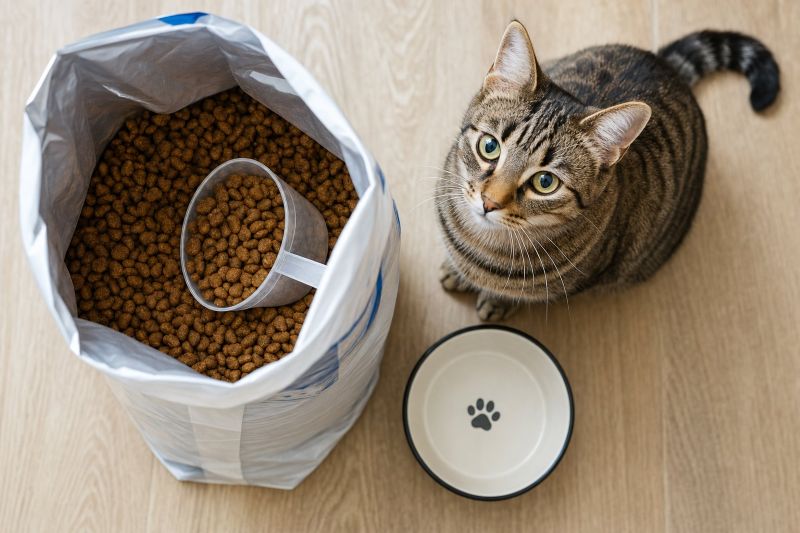
Use a measuring cup or scale instead of just pouring food in the bowl. That way, you can keep an eye on how much your cat eats and notice if things change. Leave the measuring cup inside the packet of kibble, then there is no second guessing.
Other Cat Feeding Issues To Consider
Activity Level: Inside vs. Outside Cats
Indoor cats usually move less and burn fewer calories. They just don’t have the same room to roam.
So, your indoor cat might need 10 to 20 percent fewer calories than the label says.
Outdoor cats, on the other hand, burn more energy exploring and dealing with the weather.
Watch for weight gain if your cat stays inside, especially if you leave food out all day.
Food puzzles and automatic feeders can help with portion control and keep your cat from getting bored.
Managing Cats Carrying Extra Weight
If your cat’s a little chunky, cut their food back slowly. If you cut too fast, you risk hepatic lipidosis, a nasty liver problem just for cats.
Safe weight reduction steps:
- Figure calories based on your cat’s goal weight, not what they weigh now
- Drop daily food by 10 to 15 percent
- Weigh them each week to see how it’s going
- Switch to a vet-approved weight management food
Don’t ever skip meals or slash their food suddenly. Cats need to eat every day, no exceptions.

Thin or Rescued Cats
Shelter cats↗ or neglected cats often show up skinny and malnourished. If you feed them too much too soon, it can actually make things worse.
Supporting underweight cats:
- Feed small meals three to five times daily
- Pick high-calorie, protein-heavy foods for kittens or recovery
- Add tuna water, bone broth, or wet food to make it more tempting
- Slowly increase portions over a week or so
Cat Breed Related Food Requirements
Some breeds just have different needs. Size and energy levels make a difference.
Maine Coons and Ragdolls, for example, usually need more food because they’re bigger. Siamese cats stay active and burn more calories. Persians tend to lounge and do better with careful portions.
Ask your vet about your cat’s breed, especially when they’re growing or getting older. There’s no harm in double checking.
Cats With Eating Behavior Challenges
Picky eaters might eat better if you mix up proteins, warm up their wet food, or toss on a flavor topper. Sometimes, it’s just about texture.
Cats who overeat or guard food do better with slow feeders or several small meals each day.
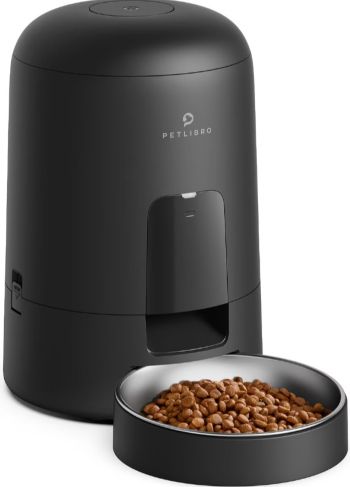
Automatic cat feeders can help↗, especially if you’ve got more than one cat↗ at home.
Health-Related Dietary Needs In Cats
Some health problems mean you need to feed your cat a certain way. Always check with your vet if your cat has a medical issue. They’ll help you pick the right food and schedule.
| Condition | Dietary Adjustment |
|---|---|
| Diabetes | High protein, low carb meals at regular times |
| Kidney disease | Lower phosphorus, more moisture |
| Hyperthyroidism | More calories to keep up with a faster metabolism |
How to Keep Track of Your Cat’s Diet and Health
Pay attention to your cat’s habits and health so you can tweak things if needed. It’s all about noticing changes early on.
Check Your Cat’s Body Shape Regularly
Vets use a 1 to 9 scale to judge if your cat’s too skinny, just right, or carrying extra pounds.
This scale is called a Body Condition Score For Cats↗. This article gives detailed information about the body condition score, how to interpret the results and what to do when you have the results.
The table below gives a sneak peek but read the body condition score article for a comprehensive outline.
| Score | Weight Status | What You’ll Notice |
|---|---|---|
| 1–3 | Too Thin | Ribs and spine stand out, barely any fat, bony look |
| 4–5 | Healthy Weight | You can feel ribs but can’t see them, slight waist, belly tucked up |
| 6–9 | Too Heavy | Can’t feel ribs, round belly, waist disappears |
Notice Changes in How Your Cat Acts and Eats
If your cat suddenly eats more, less, or acts off, that’s usually a sign something’s up.
Keep an eye out for:
- Always begging for food (could be diabetes↗ or thyroid stuff)
- Refusing food or getting super picky↗ (maybe dental or tummy trouble)
- Not as playful or just seems tired
- Vomiting or runny poop
Cats wanting food such as when they have diabetes can be very insistent.
Make Sure Your Cat Drinks Enough Water
Cats aren’t big on drinking water↗, especially if they eat mostly dry food. Still, you need to make sure they’re getting enough.
Signs that your cat is dehydrated:
- Dry mouth or gums
- Skin doesn’t snap back when you pull it gently
- Tiredness or hard, dry poop
How to boost water intake:
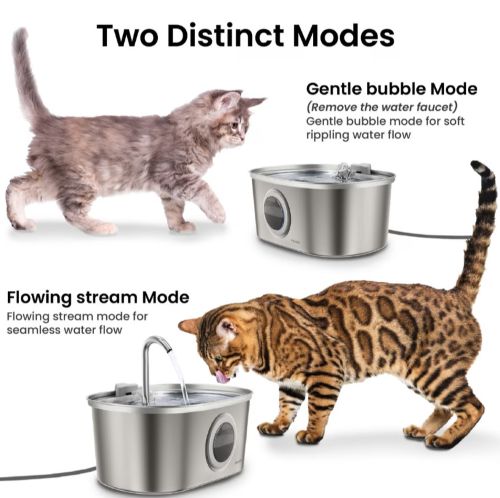
- Set up a cat water fountain
- Mix water or broth into their food
- Offer wet food daily
The right bowl, the right amount and using a cat water fountain↗ will help and it all adds up.
Cat Water Fountain
Stick to regular meal times and portions, but stay flexible if things change.
You know your cat best, and your attention to these details helps them live a longer, healthier life.