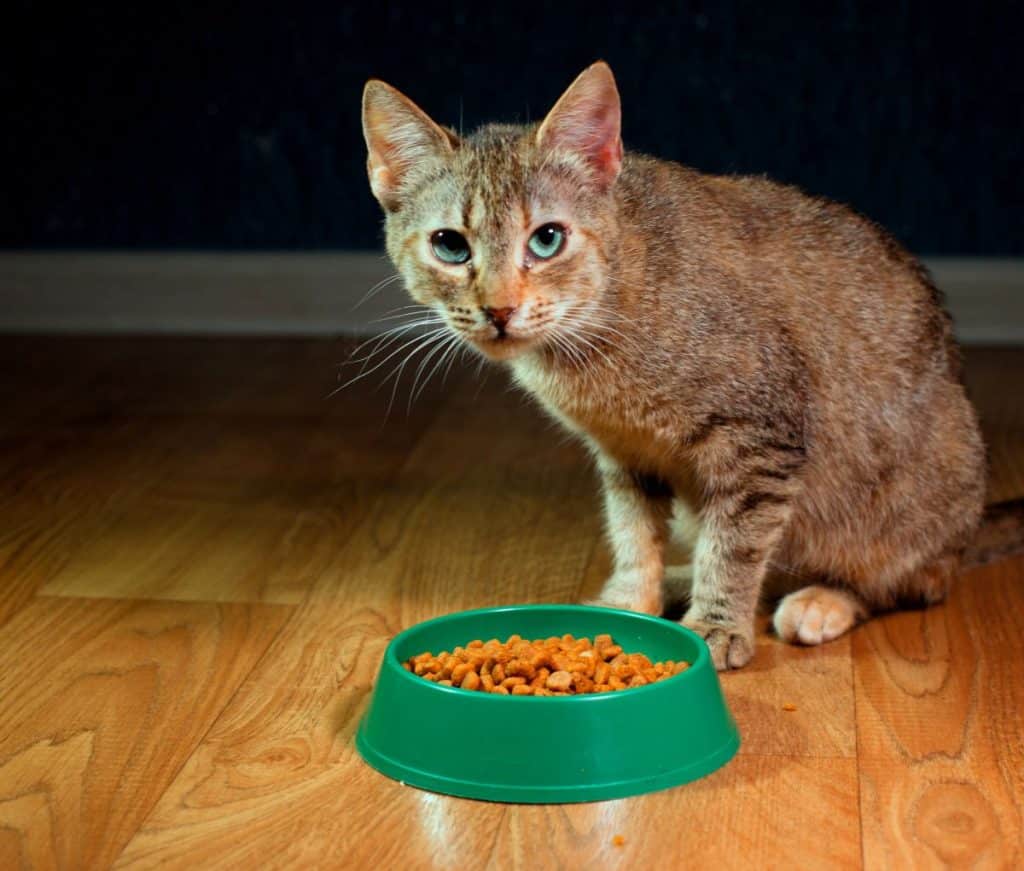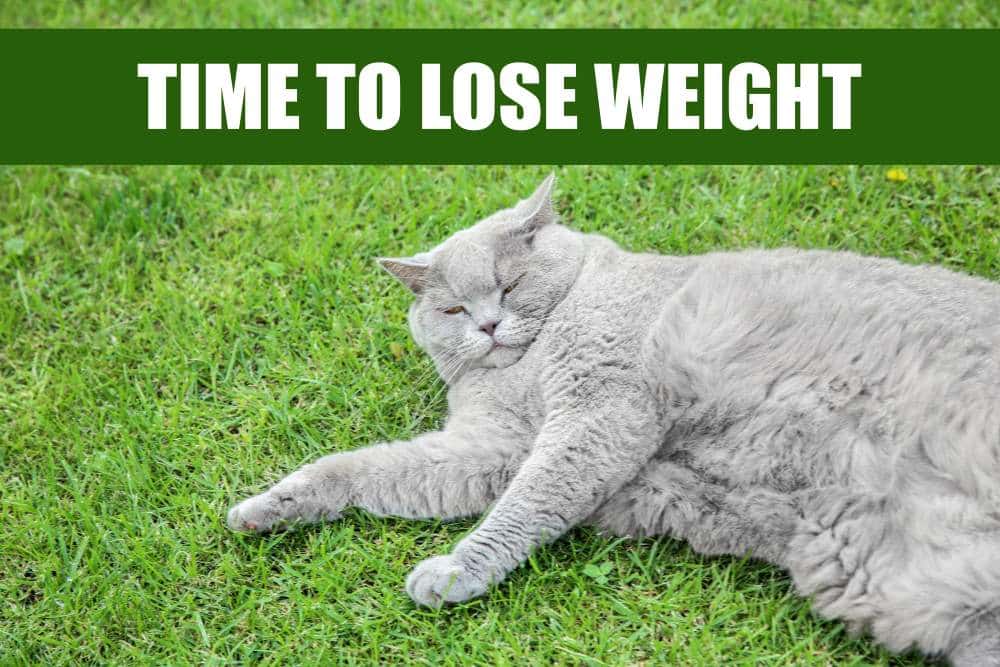
So many cats these days are carrying extra weight, and honestly, it’s not just a cosmetic issue. About 61% of cats are overweight or obese, yikes, which opens the door to diabetes, joint pain, and even heart disease.
If your cat’s gotten a little chubby, don’t panic. You can help them get back on track.
Helping your cat slim down takes a mix of diet tweaks, more activity, and regular check-ins with your vet.
It’s not a quick fix, but it pays off. Your cat will feel better, move easier, and probably stick around longer.

Table Of Contents
1. Understanding Obesity In Cats
2. Consulting Your Veterinarian About Weight Loss Plans For Your Cat
3. Designing a Weight Loss Plan For Your Cat
4. Nutrition and Feeding Strategies
5. Encouraging Physical Activity
6. Modifying Treats and Snacks For Cats
1.Understanding Obesity In Cats
In the U.S., about 61% of cats are overweight or obese. Spotting those extra pounds, knowing the risks, and understanding why cats gain weight can help you make better choices.
Identifying an Overweight Cat
Look at your cat’s shape and feel their ribs. A healthy cat should have a waist when you look from above, and you should feel ribs easily with a gentle touch.
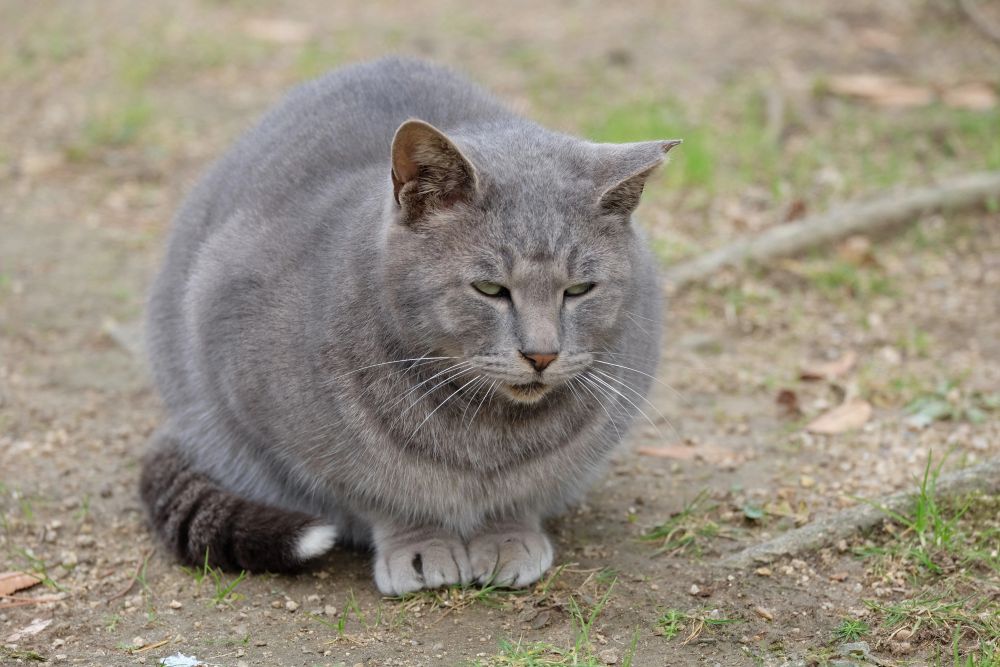
If your cat has no waist, a round belly, or you have to press to feel their ribs, they’re probably overweight.
Some cats get a pouch of fat near their back legs, too.
Your vet can give you an exact assessment using a body condition score, which helps you track changes over time. What is a body condition score? Find out more about the meaning of a body condition score for cats here .
.
Health Risks of Excess Weight
Extra weight stresses your cat’s body and organs. Obese cats are more likely to get diabetes, which means daily insulin shots and lots of monitoring.
From experience, daily insulin shots are something you don’t really want to have to do. Those shots cannot be missed. Multiple family members will have to know how to administer the shots.
The joints of overweight cats wear out faster, leading to pain or arthritis. Overweight cats also risk liver disease, especially if they lose weight too quickly.
Overweight cats struggle with grooming, which leads to skin problems and matted fur. Their hearts work harder, raising the risk of heart disease.
Breathing can get tough, and anaesthesia is riskier if they ever need surgery.
Phew, that is enough right there. Kitty can’t set a New Years Resolution so you are the one that needs to be in charge.
Common Causes of Weight Gain In Cats
Cats gain weight when they eat more than they burn. No surprises there.
Leaving food out all day (free feeding) leads to overeating, and not measuring portions makes it worse.
Indoor cats don’t burn as many calories as outdoor cats. Indoor cats sleep more and don’t have the same hunting drive to keep them moving.
Treats and table scraps sneak in extra calories. Even a little human food can make a difference since cats need fewer calories than you’d expect.
After spaying or neutering, some cats put on weight because their metabolism slows.

2.Consulting Your Veterinarian About Weight Loss Plans For Your Cat
Your vet is a key player in safe weight loss. Your vet will check your cat’s health and help you set realistic goals.
The Importance of a Veterinary Assessment
Your vet will weigh your cat and use a body condition score (BCS) from 1 to 9—5 is ideal.
The exam can spot issues like thyroid problems or diabetes that make weight loss harder. Your vet will also check joints, heart, and overall health to make sure exercise is safe.
Blood tests might be needed to rule out underlying problems. This info helps your vet tailor a plan just for your cat.
Discussing Safe Weight Loss Goals
Cats need to lose weight slowly, about 1-2% of their body weight per week.
Your vet will figure out how many calories your cat should eat based on age, activity, and target weight.
Plan for monthly weigh ins if necessary, so your vet can tweak the plan if needed.
3.Designing a Weight Loss Plan For Your Cat
Start with accurate measurements and realistic goals. Tracking progress from day one helps you see what’s working.
Establishing Baseline Weight and Tracking Progress
Your vet will give you an accurate starting weight and a body condition score.
Weigh your cat weekly, ideally in the morning before breakfast.
Keep a log of dates and weights so you can spot trends. Snap photos from the side and above every couple of weeks, sometimes you’ll notice changes before the scale does.
It might seem silly to take photos of your cat’s weight loss but a photo takes the guesswork out of the equation.
If possible, measure your cat’s waist and chest. Some cats lose inches before pounds.
Setting Achievable Milestones
Plan for your cat to lose 1-2% of their body weight each week. For a 15-pound cat, that’s about 2.4 to 4.8 ounces per week.
Break the big goal into smaller monthly targets. If your cat needs to lose 3 pounds, aim for half a pound per month.
When your cat loses a pound, notice if they seem more energetic or move easier. Those little victories count.
4.Nutrition and Feeding Strategies
What and how you feed your cat matters most for weight loss.
Choosing the Right Weight Loss Diet
Cats do best on high protein, low carb diets. They’re natural carnivores, and their bodies use protein more efficiently than carbs.
Look for foods with at least 40% protein (dry matter). Wet food often helps because it’s lower calorie and higher in water, which helps your cat feel full.
Good weight loss cat food should have:
- Plenty of protein (chicken, turkey, fish)
- Low carbs
- Lots of moisture
- Added fiber for fullness
- No fillers like corn or wheat
Check with your vet before switching foods, they’ll recommend brands or prescription diets if needed.
Understanding Portion Control
Use a measuring cup or kitchen scale for accuracy. Food labels are just a starting point, your cat might need less than the bag says.
Track everything for a few days, including treats.
Cut portions gradually if your cat’s used to eating a lot. Sudden drops can cause liver issues.
Feeding Schedules and Meal Frequency
Feed at set times instead of leaving food out. Scheduled meals help you control portions and see exactly how much your cat eats.
Most cats do fine with two meals a day. Split the daily portion evenly.
Pick up uneaten food after 20-30 minutes. This teaches your cat to eat at meal times and keeps food fresh.
5.Encouraging Physical Activity
Cats need to move to burn calories and keep muscles strong. Regular activity also keeps them mentally sharp.
Interactive Play Ideas
Daily play makes a huge difference.
Wand toys with feathers or strings are great, move them in quick, unpredictable ways to mimic prey. Let your cat catch the toy sometimes so they don’t get frustrated.

- 1. KEEP CATS VERY ENTERTAINED : Cats are crazy about chaser games! Combine string and feather into a great cat toys for indoor…
- 2. CLASSIC PRACTICAL INTERACTIVE CAT TOY : This cat wand toy can really get your cats to do a lot exercise while entertainment…
- 3. CAT TOYS INTERACTIVE FOR INDOOR CATS : Pack includes: 2PCS Cat Wand + 9PCS Feather Worms Replacements + 2PCS Extra Strings…
- 4. TELESCOPIC CAT FISHING POLE TOY DESIGN : This cat toy wand extends from 15” in to 38.9”. Very lightweight, flexible…
Laser pointers can be fun, but always finish with a real toy or treat to “catch.”

- 7 in 1 Modes: Scroll the gear to pick 5 red patterns(dots, smiles, mouse, stars, butterflies). The…
- USB Direct Charging: No dry batteries needed! Unplug the back cover and plug into USB port…
- Portable Design: With metal clip and anti-lost rope, compact size(4.25in long) make cat toy easily put…
- Interactive Cat Toy: Interactive play not only helps cats release energy through chasing, but also…
Switch up toys to keep things interesting. Some cats love things that roll or make noise.
Rotate toys every few days to keep them fresh.

Enrichment for Indoor Cats
Indoor cats need more stimulation. Puzzle feeders turn meals into a game, working both body and mind.
Set up cat trees or wall shelves, climbing and jumping burns more calories than just walking around.
Catnip can spark play for some cats. Try sprinkling it on toys or scratching posts.
Leash training can work for some cats if you want to try supervised outdoor time. Most won’t walk like dogs, but the new sights and smells get them moving.
Hide toys or treats around the house to encourage exploring and movement.
6.Modifying Treats and Snacks For Cats
Treats sneak in more calories than you might think, even if meals are controlled. Healthier treats and fewer snacks help create the calorie deficit your cat needs.
Selecting Healthy Treat Options
Go for treats made from lean proteins like chicken, turkey, or fish. They’re more nutritious and less caloric than treats loaded with fillers.

- Healthy Cat Snacks & Treats: Crunchy, bite-sized cat treats healthy cats love—made with real chicken…
- Real Meat, Healthy Ingredients: Made with real chicken as the first ingredient, these healthy cat treats…
- Easy on Digestion: These healthy cat treats are gentle on your cat’s stomach and digestive system…
- Upcycled & Responsibly Made: These healthy cat treats are crafted using upcycled sweet potatoes, helping…

A good and budget friendly option is to make cat treats for your cat. Very little effort needed with great rewards. Save money and do something good for your cat.
Freeze dried meat treats are a solid pick with minimal processing and are pure protein. You can also use tiny pieces of cooked chicken or plain tuna.
Puzzle feeders filled with regular kibble make good treat substitutes. Your cat gets a reward and mental challenge without extra calories.

- Encourages Healthy Habits: The PetSafe SlimCat Interactive Feeder encourages cat exercise and mental…
- Supports Healthy Weight: Helps control portions and supports healthy weight with a slow feeder design…
- Simple to Use & Clean: Made from lightweight, BPA-free plastic and is top rack dishwasher safe for…
- Global Mission, Local Care: With U.S. roots and worldwide reach, PetSafe delivers vet- and…
Healthy treat ideas:
- Small bits of plain cooked chicken
- Freeze dried salmon or chicken
- Your cat’s regular food in a puzzle feeder
IMPORTANT: Skip treats with lots of sugar, carbs, or mystery ingredients. Check labels and avoid those with corn, wheat, or by products high on the list.
7.Monitoring Progress and Adjusting the Plan
Tracking your cat’s weight loss means regular weigh ins and keeping an eye on how their body changes. It is a commitment but then it is when we want to lose weight too. The benefits are worth it the extra time and effort.
Recognizing Signs of Success
Weigh your cat every two weeks, always using the same scale and doing it at about the same time of day.
Jot down each number in a notebook or a tracking app, whatever works for you. YOu don’t need to be too scientific, just keep track.
Don’t just rely on the scale. You’ll start to feel your cat’s ribs more easily, without needing to press hard.
From above, there should be a bit of a waist, and their belly might tuck up a little when you look from the side.
Notice if your cat seems more energetic or starts jumping up on things again. Sometimes they’ll play more, or groom themselves better, before you see big changes on the scale.
Addressing Weight Loss Challenges
The two biggest headaches? Weight loss plateaus and your cat’s stubborn behavior. Hmm! This sounds like me except for the cat part,
Plateaus in Weight Loss
Sometimes, your cat stops losing weight even though you’re sticking to the plan. That’s pretty normal, bodies adjust to fewer calories over time.
If you hit a plateau that lasts more than two weeks, it’s time to take a closer look.
Your vet might suggest a small calorie cut, maybe 5-10%.
Some cats just don’t lose weight as expected. Your vet might want to run bloodwork to check for thyroid or other health problems getting in the way.
Behavioral Hurdles
When you cut back on food, some cats become expert beggars. They might meow non stop, wake you up at 3 am, or try to swipe food from other pets.
Consistency is your best friend here. Feed at the same times every day so your cat knows what to expect.
Ignore begging, even eye contact can encourage them.
Keep counters and tables clear of food.
Store pet food in sealed containers your cat can’t open. Repeat that last part, your cat can’t open. Some cats have very good problem solving abilities.

- Food Storage for All Pets: Keep dog kibble, cat dry food, bird seed, pellets, and treats fresh and…
- Airtight Freshness Protection: Snap‑lock lid and foam-line seal lock out moisture and humidity…
- Easy to Move, Store & Refill: Comes with attachable wheels, giving you the freedom to roll the bin from…
- Multiple Sizes & Lid Colors: Choose from a variety of BPA-free airtight bins in different sizes and lid…
If you’ve got multiple cats, feed the overweight one separately or use a microchip feeder that only opens for them.
Frequently Asked Questions
Helping your cat lose weight takes planning and patience.
What are the best practices for managing my cat’s diet to achieve weight loss?
Try switching to a high quality canned cat food because it usually has fewer calories than dry and makes portion control easier. Wet food also helps your cat feel full with less.
Stick to scheduled feeding times instead of leaving food out all day. You’ll know exactly how much your cat eats.
Ask your vet to help calculate the right daily calories for your cat’s target weight.

- Safe & effective weight loss with visible results within 10 weeks
- Healthy weight maintenance & long lasting weight support
- Lean muscle support
- Made in the USA with global ingredients you can trust
Can exercise play a role in helping my cat lose weight and, if so, how much exercise do they need?
Exercise definitely helps. It burns calories and keeps your cat’s muscles strong while they slim down.
Start with play sessions of 5-10 minutes, a few times a day. Toys like feather wands or laser pointers work well.
Are there specific types of cat food designed to promote weight loss?
Yep, weight management cat foods have fewer calories and more protein and fiber. They help your cat feel full while eating less.
Look for labels that say “weight management” or “light” from brands you trust. If your cat needs extra help, your vet might suggest a prescription diet.
High-protein, low-carb foods often work best for weight loss. Wet food usually beats dry, since it has more water and fewer calories per bite.
- Safe & effective weight loss with visible results within 10 weeks
- Healthy weight maintenance & long lasting weight support
- Lean muscle support
- Made in the USA with global ingredients you can trust
How do I determine if my cat is overweight and by how much?
Your vet can tell you if your cat’s overweight.
You can do a quick check at home by feeling for your cat’s ribs.
You should feel your cat’s ribs easily with light pressure, but they shouldn’t be sticking out. If it’s tough to find the ribs, there’s probably extra fat in the way.

Last update on 2026-03-26 / Affiliate links / Images from Amazon Product Advertising API