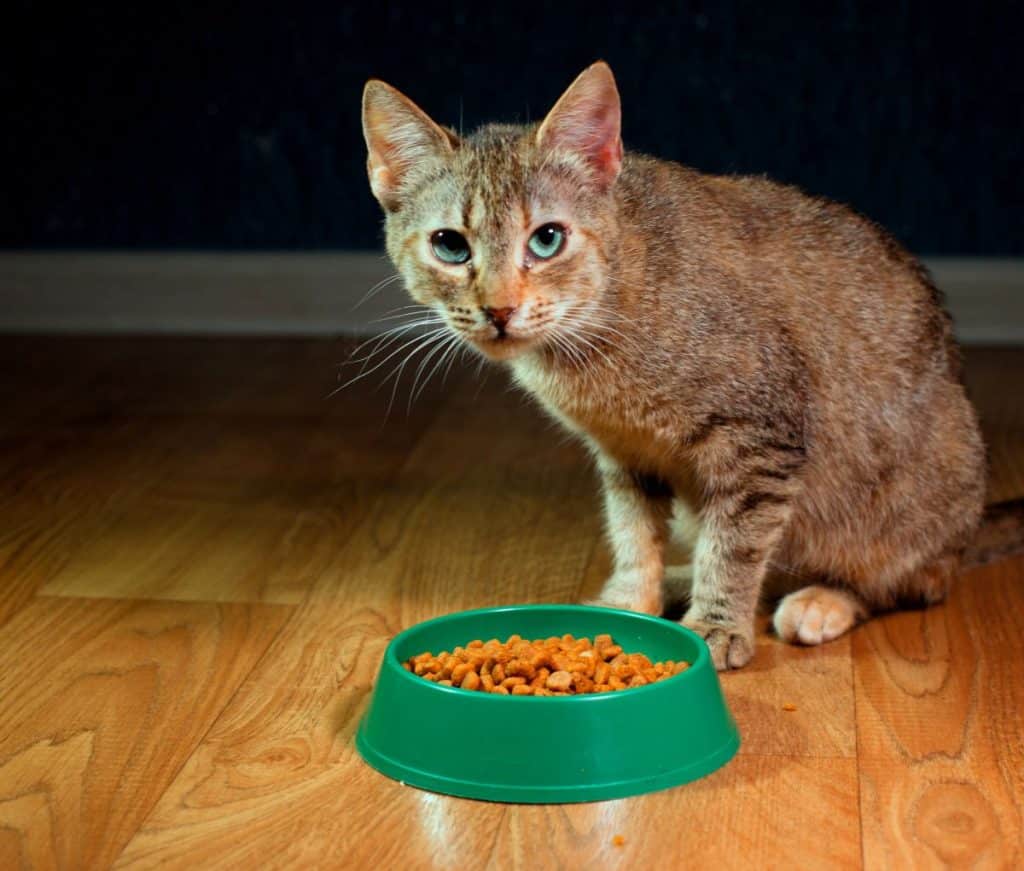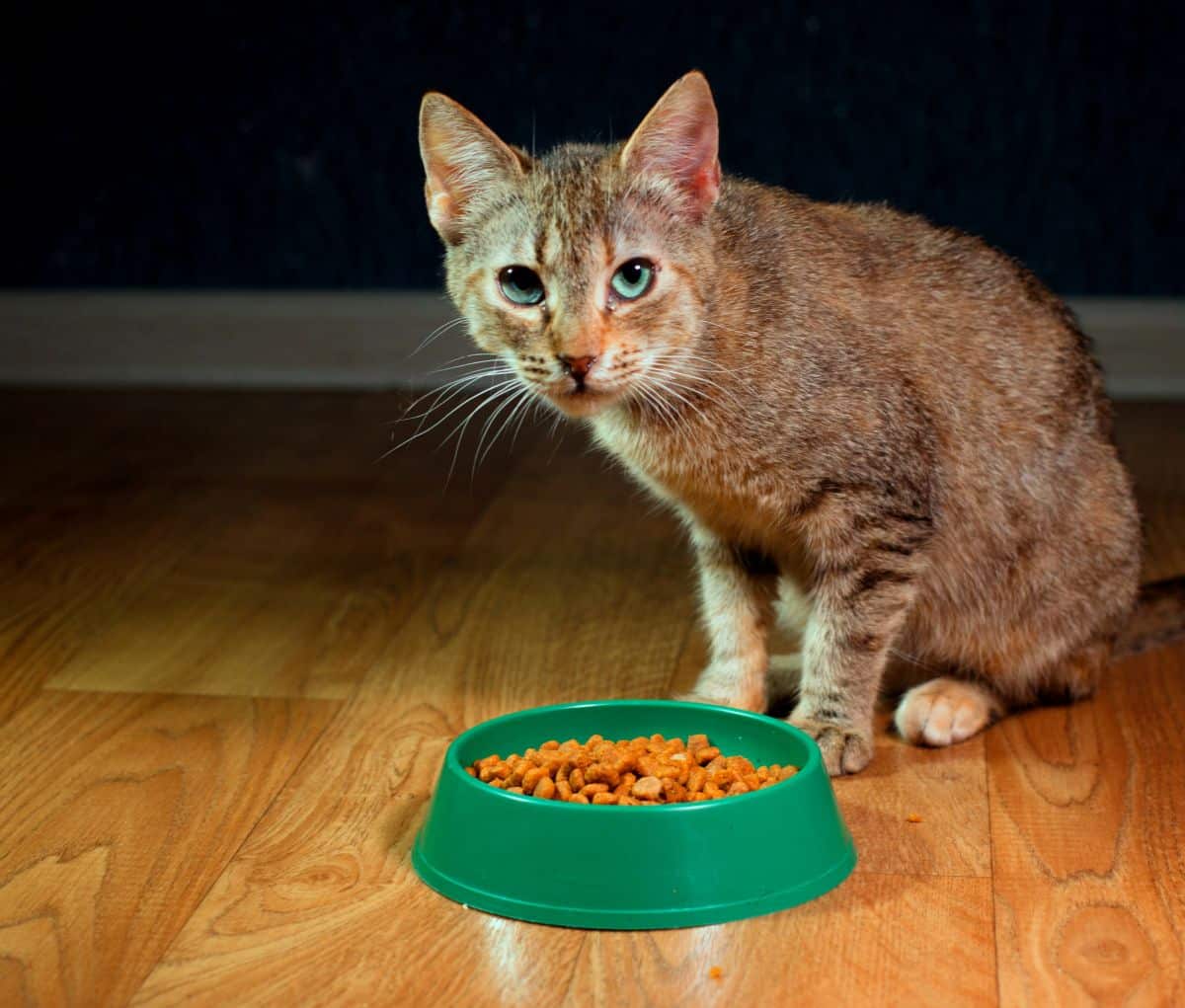
You know that feeling when your cat skips a meal and you just figure they’re being picky? But how long is it safe to wait before you really need to do something?
If your adult cat hasn’t eaten for more than 24 hours, it’s time to take it seriously. Kittens, seniors, and sick cats? They need attention even sooner.
If a cat goes without food for 48 hours or more, you’re in dangerous territory—liver problems and muscle loss can happen fast, so don’t wait to get help.
Keep an eye on your cat’s behavior , body weight, and water intake. Small things like less grooming, hiding, or vomiting can mean anything from stress or dental pain to infections or chronic disease.
Early action usually makes treatment easier, so don’t ignore those little changes.
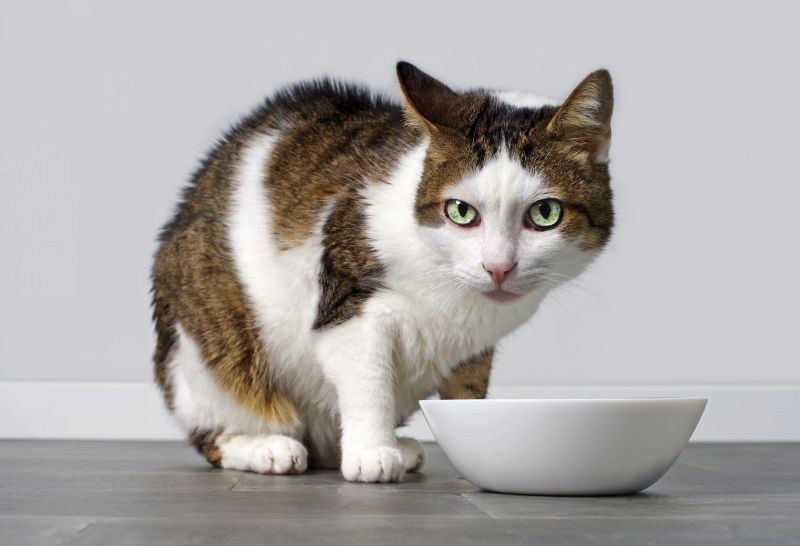
1.How Long Is Too Long for a Cat Not to Eat?
A healthy adult cat that skips a full day needs your attention. Kittens? They can’t go that long at all.
Critical Timeline for Adult Cats
If your adult cat hasn’t eaten for 24 hours, call your vet. Skipping one meal might not mean illness, but 24 hours without food raises the risk of hepatic lipidosis (fatty liver), especially in overweight cats.
Pay close attention to drinking. If your cat also stops drinking or starts vomiting, has diarrhea, seems weak, or hides, get emergency care.
If they seem okay otherwise, try tempting them with warmed wet food, plain cooked chicken, or a new flavor while you set up a vet visit.
Don’t assume your cat is eating somewhere else.
Track their appetite, stool, and behavior for the vet. Make a note of any recent changes, new food, a move, dental stuff, or new meds.
Risks of Missing Meals in Kittens
Kittens don’t have much fat or glycogen to fall back on. If a kitten refuses food for 12 hours, low blood sugar (hypoglycemia) and a quick decline are real risks.
Watch for weakness, trembling, cold paws, or a glazed look. These need emergency care.
Offer a warm, calorie rich option like kitten formula.
Young kittens who depend on mom’s milk need help fast.
Even a few hours without eating can cause shock, so treat any kitten that won’t eat for several hours as urgent.
When to Contact a Veterinarian
Call your vet if your cat or kitten goes without food for the times above. Call sooner if you see vomiting, diarrhea, blood in stool, jaundice, rapid breathing, or extreme tiredness.
Be ready to tell the vet how long they’ve gone without food, what they’re drinking, recent weight changes, vaccine status, and any new meds or possible toxins. The vet might suggest at home steps, an office visit, bloodwork, IV fluids, or assisted feeding depending on how bad things look.
If your regular clinic is closed and the signs are severe, just go to an emergency animal hospital.
Quick action can prevent liver disease, dehydration, and other life threatening problems.
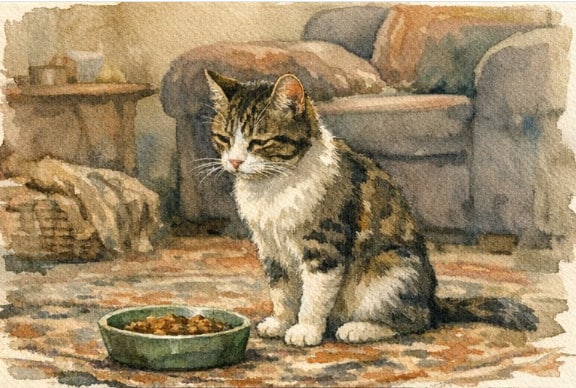
2.What Happens When a Cat Stops Eating?
When your cat stops eating, things can go downhill pretty quickly. Energy stores drop, the liver gets stressed, and fluid balance can fail.
You’ll notice weight loss, weakness, and changes in stool or pee that show things are getting worse.
Nutritional Deficiencies and Muscle Loss
When your cat skips meals, their body burns through glycogen first, then starts using fat and muscle for energy.
You’ll see their rump and spine look bonier, and muscle around the back legs gets weaker.
This muscle loss can make them less mobile and make grooming harder, which just leads to more skin and coat issues.
Protein breakdown also lowers immunity. That means infections get easier and recovery slows down. Kittens and senior cats lose muscle faster, so they get weak sooner. If your cat has diabetes or another chronic disease, blood sugar and medication needs can get unpredictable when they stop eating.
Development of Hepatic Lipidosis (fatty liver disease)
Hepatic lipidosis (fatty liver disease) is a big risk after about 24 – 48 hours without food. Your cat’s body sends fat to the liver for energy, but the liver can’t handle it and fat builds up.
You’ll see jaundice (yellow gums or eyes), vomiting, and extreme lethargy.
Overweight cats are at higher risk, but any cat who isn’t eating can get this.
Treatment means a visit to see the vet and perhaps fluids, nutrition (often by feeding tube), and liver monitoring. Getting help early really boosts the chances of recovery.
Dehydration and Its Complications
Not eating usually means less drinking too. Cats can get dehydrated in just 24 – 48 hours, depending on the weather and how active they are.
Dehydration in cats shows up as sunken eyes and less skin elasticity (try gently pinching the scruff).
It makes kidney function worse and hurts blood flow to organs, so toxins and infections get more dangerous.
If your cat pees less, acts weak, or collapses, get to the vet right away. Vets treat dehydration with IV or subcutaneous fluids and tackle the root cause to avoid long-term damage.
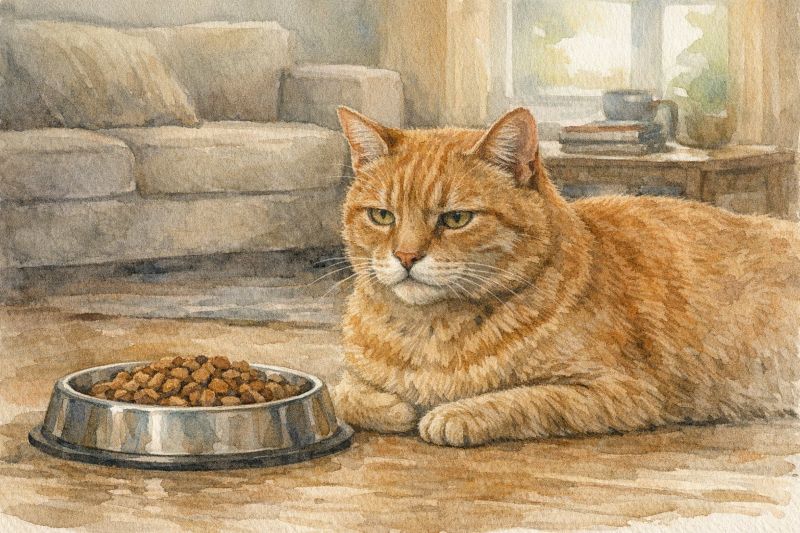
3.Why Cats Refuse to Eat: Causes and Contributing Factors
Cats stop eating for all kinds of reasons. It’s often medical, but pain, stress, or just not liking the food or routine can do it too.
Medical Conditions and Illnesses
Serious health problems often make cats stop eating. Kidney disease, liver disease (including hepatic lipidosis), pancreatitis, and infections can all make your cat feel sick or weak. These usually last more than a day.
Watch for other signs for example, vomiting, diarrhea, drinking changes, weight loss, or lethargy. If your cat won’t eat for 24 – 48 hours, call your vet.
Bloodwork, urine tests, and imaging can help figure out what’s going on.
Dental and Oral Health Issues
Dental disease, tooth fractures, or oral tumors can cause drooling and bad breath.
You might notice them pawing at their face, dropping food, or bleeding from the mouth.
If your cat avoids dry food or only eats very soft stuff, get the vet to check their teeth and gums.
Dental X-rays and cleanings often reveal treatable problems.
Surprisingly, cats can still eat even with bad teeth as explained in this article.
Stress, Environment, and Behavioral Factors
Changes at home can make even a healthy cat stop eating.
New people, pets, moving furniture, or loud noises can stress them out.
Cats love routine. If another pet guards the bowl, your cat might skip meals.
Give them quiet, separate places to eat and keep food and litter box spots the same. For stress-related appetite loss lasting more than a day, ask your vet about behavior tips or short term appetite boosters.
Food Preferences and Feeding Routine
Cats can be picky; texture, smell, and temperature matter. Switching brands, flavors, or kibble shape can make them refuse food.
Wet food often smells better, especially if your cat is sick.
Try warming canned food a bit, offering new flavors, or mixing in a favorite topper.
Check food freshness, stale or rancid food turns cats off.
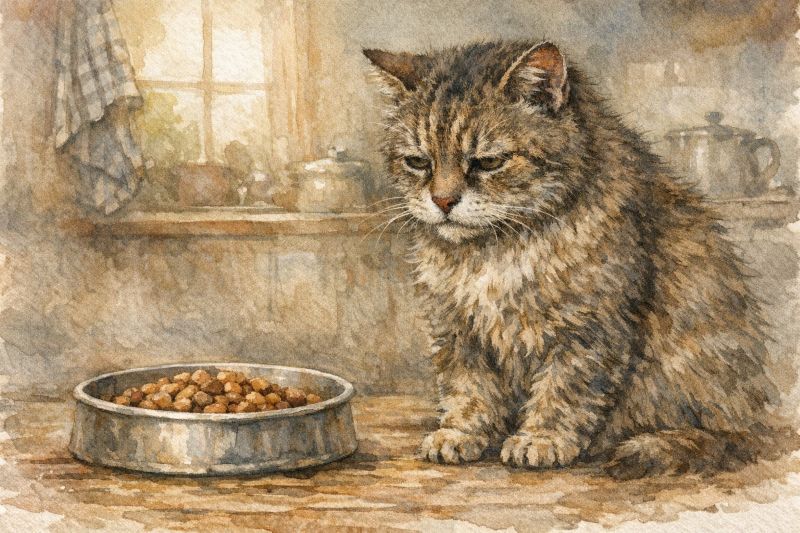
4.Supporting Your Cat: Prevention and What to Do If They Stop Eating
Keep fresh, tempting food out, watch water intake.
Importance of Water Intake
Cats can get dangerously dehydrated in 24–48 hours without water. Put fresh water in a few bowls, or try a cat water fountain to make drinking more appealing.
Add water or low-sodium broth to wet food for extra fluids.
Some cats like shallow plates or glass cups better than bowls, or prefer ceramic over plastic.
If your cat won’t drink or shows dry gums, lethargy, or sunken eyes, get to the vet, cats can go without food longer than without water.

- 🐱[HIGH-QUALITY STAINLESS STEEL]: Crafted from thick, food-grade SUS304 stainless steel, highly…
- 🐱[WHISKER-FRIENDLY DESIGN]: The shallow profile is designed to minimize whisker contact with the…
- 🐱[EASY TO CLEAN]: The non-porous, smooth surface of the food-grade stainless steel resists food…
- 🐱[GIFT-READY PACKAGING]: The set arrives in a stylish kraft gift box, making it a wonderful and…
Steps to Take Before Seeing the Vet
Write down how long your cat’s gone without food and any other signs—vomiting, diarrhea, changes in pee, weight loss, trouble breathing, or mouth bleeding. Bring a vomit sample or snap a photo of their mouth if you can.
Only stop meds if your vet tells you. Bring a list of recent diet changes, possible toxins, and all meds or supplements. If appetite loss lasts more than 24 hours for adults or 12–24 hours for kittens, call your vet and get an exam scheduled.
Until you go, keep offering warm wet food, encourage fluids, and keep your cat calm and comfy.
5.Frequently Asked Questions
You need clear timeframes and warning signs so you can act fast if your cat stops eating. Here are some quick answers.
How long can a typical cat survive without any food intake?
A healthy adult cat might last a few days without food if they still drink water.
Start worrying after 24 hours and act fast by 48 hours—serious problems can hit quickly.
What are the risks of a cat not eating for an extended period?
The main risk is hepatic lipidosis (fatty liver disease), which can start in 48 hours and become life-threatening.
Other risks: dehydration, muscle loss, weakness, and any underlying illness getting worse
After how many days without food is it critical to seek veterinary care for a cat?
Call or visit a vet if your cat hasn’t eaten for 24 hours.
If it hits 48 hours, get emergency veterinary care right away.
What signs of liver damage should I look for in a cat that hasn’t eaten in days?
Look for jaundice (yellow gums, eyes, or skin), vomiting, and extreme lethargy.
Also watch for loss of coordination, ongoing appetite loss, and pale or dark urine.
What could be causing my cat to refuse food but still display normal behavior?
Mild stress, recent changes in food or environment, dental pain, or a mild stomach upset can make a cat skip meals but act normal.
Early illness or medication side effects can also drop appetite before any other signs show up.
Is there a difference in survival duration between a cat with access to water and one without?
Absolutely, there’s a difference.
If a cat has water, it can usually hang on for a few days without food.
But if it doesn’t have water? Things go downhill fast—sometimes in just 24 to 72 hours.
Dehydration kicks in quickly and makes everything worse.
If you notice this, it’s time to call the vet right away.

Last update on 2026-04-09 / Affiliate links / Images from Amazon Product Advertising API