Ever catch your cat watching you with those big, unblinking eyes? Yeah, it can feel a little weird. But honestly, this is totally normal cat stuff and happens for a bunch of reasons.
Cats stare at their owners to communicate their needs, show affection , gather info about their world, and express how they’re feeling.
Staring is one of the main ways cats interact with everything around them. Unlike dogs, cats use body language more than vocalizations to get their point across.
When your cat locks eyes with you, they might be asking for food, craving attention, or just feeling chill and happy in your company.
1.Understanding Your Cat’s Staring Behavior
Cats use their eyes to gather info, express emotions, and connect with their favorite people. Staring comes from both instinct and the unique bond they share with us.
Communication Through Eye Contact
Cats really lean on body language to get their feelings across. Staring is one of their most direct ways of saying something without words.
If your cat stares at you, they could want something specific. They figure out fast that eye contact grabs your attention, especially if you usually react by feeding them or giving them love.
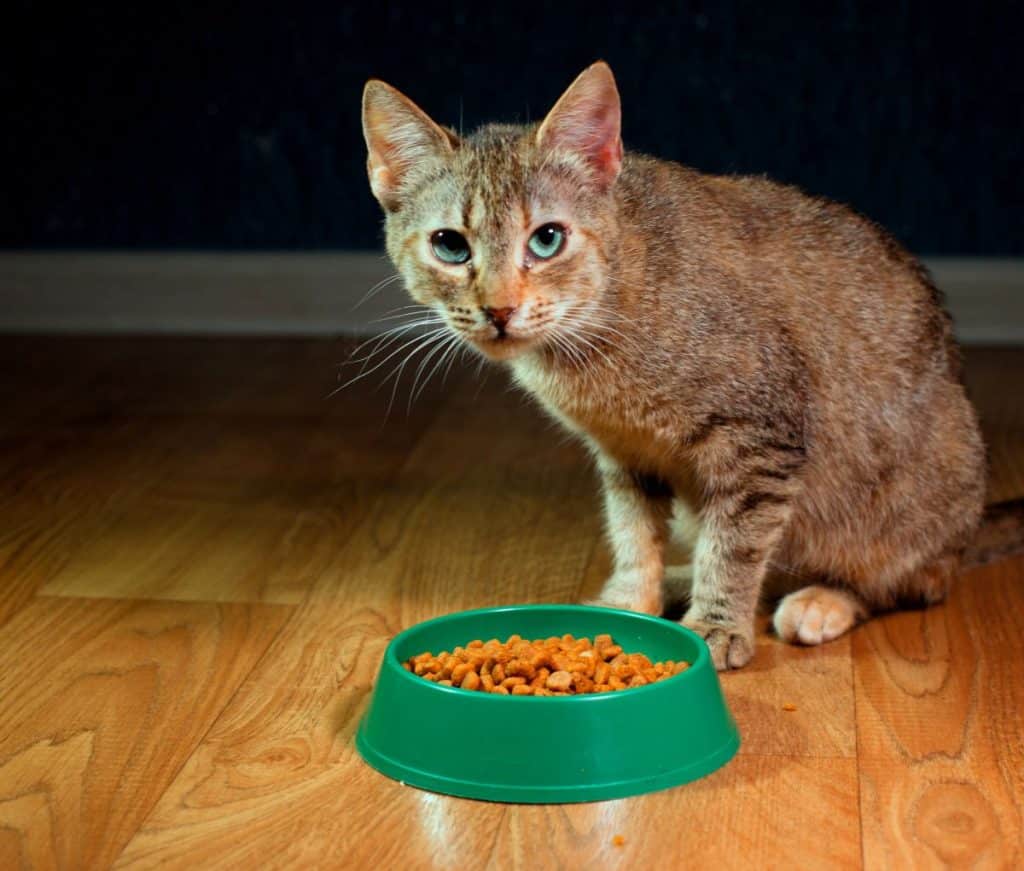
Lots of cats stare during mealtimes because they’ve learned it works.
A slow blink while staring is basically a cat’s version of a kiss, showing trust and affection.You can try slowly blinking back at your cat when they do this. It’s a small thing, but cats seem to get it.
Different types of stares can mean different things:
- Soft, relaxed gaze with slow blinks = affection and trust
- Wide-eyed, unblinking stare = alert or maybe stressed
- Direct stare with big pupils = excitement or aggression
- Stare followed by looking away = giving you space
Instinct and Predatory Traits
Cats are hunters at heart, so staring is wired into their brains. Even the fluffiest house cat has those old wild instincts.
Your cat’s eyes are made to track movement and lock onto targets. Sometimes they’re just watching you because that’s what their instincts tell them to do.
That same focus they use on birds or toys? They use it on you, too. They’re always picking up on your routine, your mood, and what you’re up to.
This isn’t them being weird or threatening, it’s just how cats process their world and keep tabs on their territory.
Bonding and Attachment
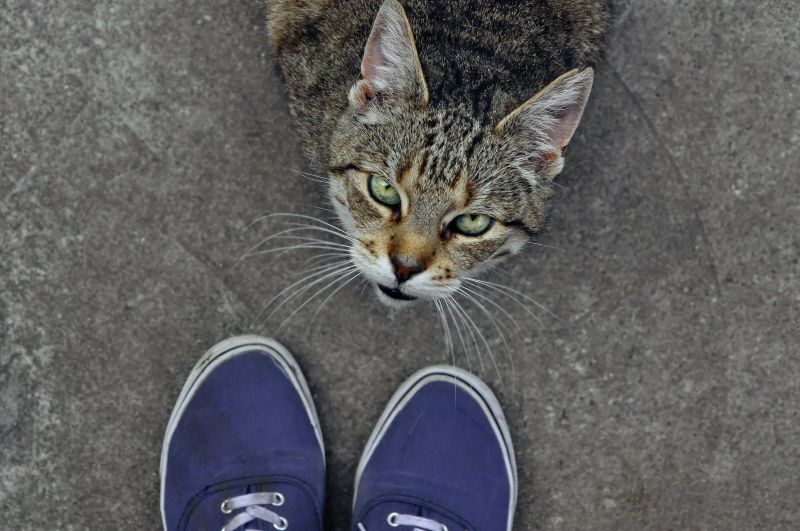
Staring is a big part of how cats bond with people. They watch those they trust the most, almost like they’re keeping an eye on their family.
If your cat stares at you, it’s because you matter to them. They like knowing where you are and what you’re doing, it’s comforting.
Cats don’t stare at strangers the same way. When your cat follows you from room to room or just sits nearby watching, they’re showing their attachment.
2.Common Reasons Cats Stare at Their Owners
Cats use their eyes to get messages across. If you can read these signals, you’ll have a much easier time figuring out what your cat wants.
Seeking Attention or Affection
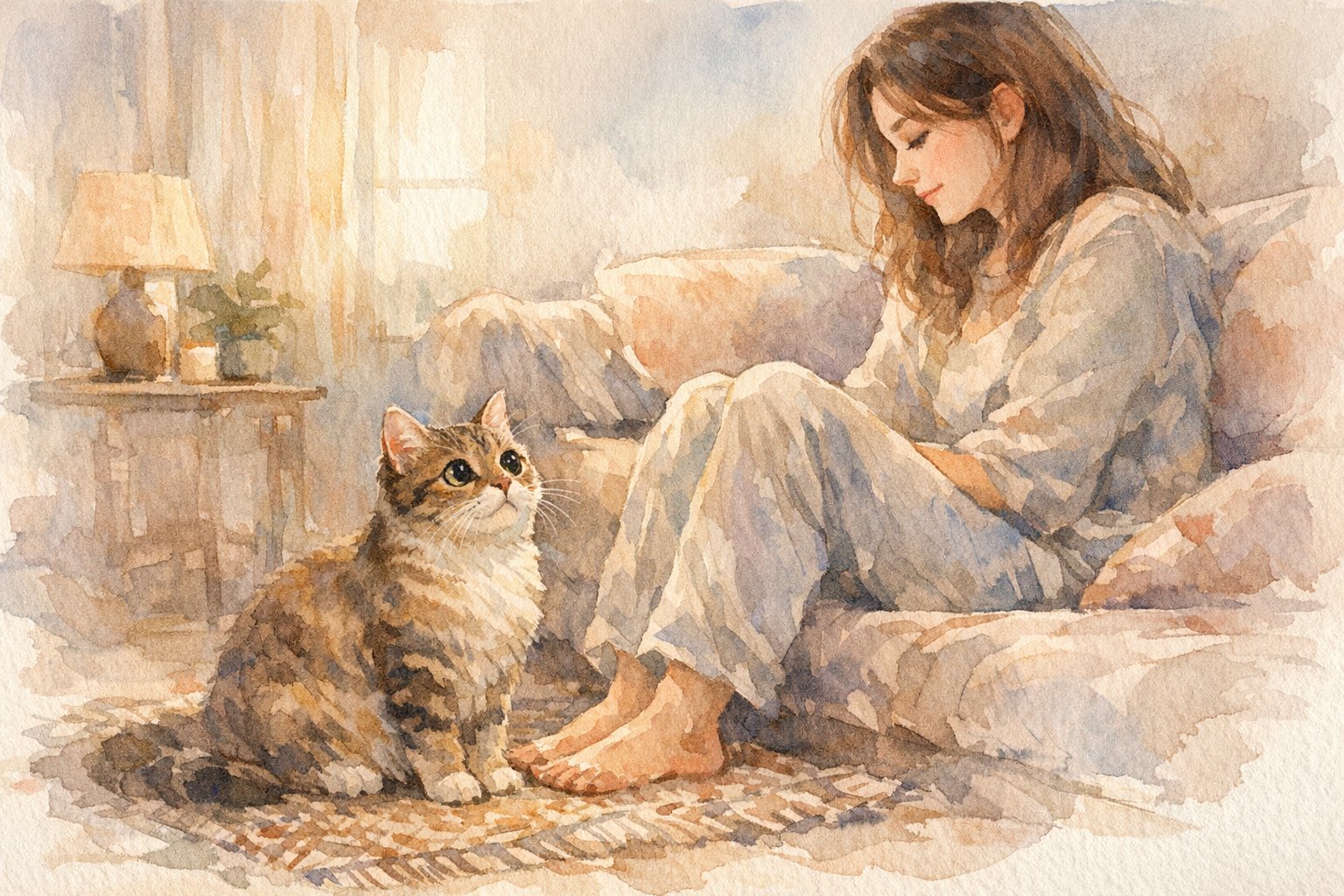
Your cat might stare because they’re hoping for some interaction or just want to hang out. Eye contact is a bonding thing for cats who feel safe with you.
A relaxed stare usually means your cat wants some pets, playtime, or just your company. If you see slow blinking while they’re staring, that’s a sign of contentment and love.
Soft eyes, relaxed whiskers, and chill ears mean your cat feels good around you.
Sometimes, staring is their way of starting play. If you see them staring with a twitchy tail or crouching, they’re probably inviting you to join in.
The vibe of the stare matters, a gentle look is way different from an intense, unblinking one.
Requesting Food or Treats
Cats are smart. They figure out quickly that staring at you often leads to snacks. If you feed them after a stare-down, they’ll keep doing it.
You’ll notice more staring around meal times. Cats might sit by their food bowl or block your path, all while keeping their eyes on you.
Sometimes they’ll add meowing or pacing for extra effect. You might even catch them staring from the kitchen counter or tailing you to the fridge, anything to get their point across.
Observing Your Actions
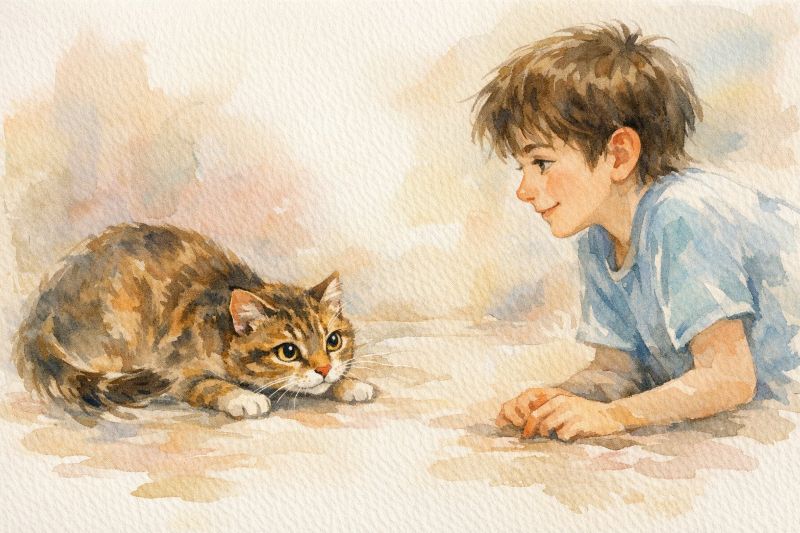
Cats are just naturally curious. They stare to figure out what you’re doing and what might happen next.
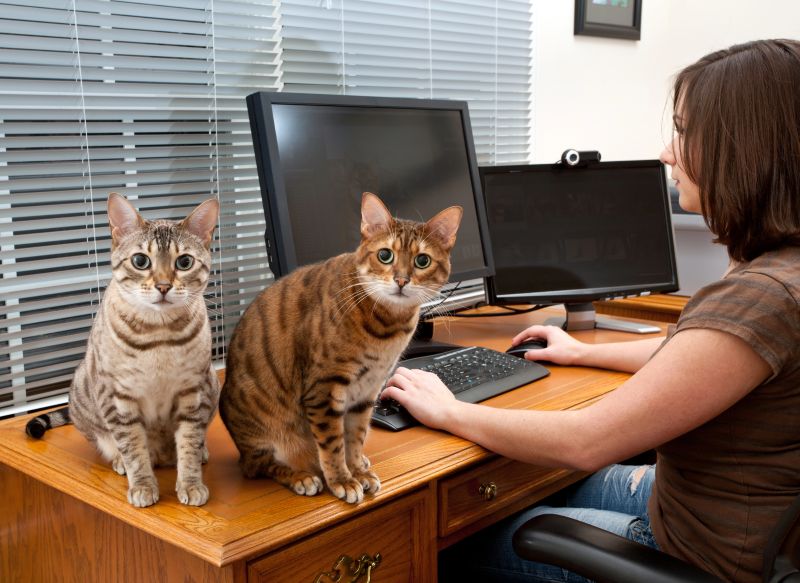
Your daily activities have a big impact on their world, so they’re always watching. Whether it’s making dinner or grabbing their toys, your actions are interesting to them.
If you do something out of the ordinary, bring home a new object, make a weird noise, or change your routine, your cat will notice. This watchful behavior is totally normal for cats trying to make sense of things.
3.Medical and Behavioral Explanations
Sometimes, a cat’s stare means more than just curiosity or love. Health issues, aging, or stress can all make your cat stare at you in odd ways.
Health Related Causes
Certain medical problems can make cats stare more than usual. Vision issues like cataracts or retinal problems might cause them to fixate on movement or shapes just to make sense of things.
Neurological stuff, like seizures or brain injuries can also change how your cat stares.
Hyperthyroidism can make cats restless, which sometimes means more staring.
If your cat is in pain or feels off, they might stare at you for help.
Watch for other signs like changes in appetite, low energy, or odd vocalizations, if you see those, it’s probably time to call the vet.
Cognitive Changes or Aging
Older cats tend to stare more, sometimes because of cognitive decline. Feline cognitive dysfunction can mess with their memory and awareness.
Your senior cat might stare at you because they’re confused or disoriented. They could also stare at walls or familiar objects for the same reason.
Hearing loss in older cats can lead to more staring, too. If they can’t rely on their ears, they watch you even more closely for cues.
Anxiety and Stress Factors
When cats feel anxious or stressed, they might stare at you to see if everything’s okay. Changes at home, like new pets or visitors, can make cats nervous.
Some cats with separation anxiety keep a close eye on you, worried you might leave. They’re just looking for reassurance.
Common stress triggers for Cats staring:
- Loud or sudden noises
- New people at home
- Changes in routine
- Pet conflicts
- Boredom or lack of stimulation
If your cat’s staring comes with hiding, aggression, or destructive habits, they probably need help dealing with stress. Giving them safe spots, keeping routines steady, and adding toys can make a big difference.
4.Interpreting The Body Language Of Cats
Your cat’s stare doesn’t happen on its own. Their eyes work with other signals to tell you what they’re really feeling.
Eye Shape and Pupil Dilation
Your cat’s pupils change size based on light and emotion. Wide, dilated pupils can mean excitement, fear, or playfulness, like when they’re chasing a toy or startled by a noise.
Narrow, slit pupils usually show focus or aggression. A relaxed cat has normal, medium pupils that react naturally to light.
Half closed or squinty eyes mean trust and happiness. If your cat slow blinks at you with relaxed eyelids, they’re giving you a little “cat kiss.”
On the flip side, wide open eyes with a hard stare usually mean they’re alert or maybe ready to defend themselves. If you see tense facial muscles with that look, your cat might feel threatened.
Associated Tail and Ear Movements
Your cat’s tail tells you a lot while they’re staring. A high tail with a slight curve at the tip means they’re confident and interested.
If the tail’s twitching or thrashing, they’re probably irritated or overstimulated. A puffed up tail means they’re scared or trying to act tough.
Ear position matters, too. Forward ears show curiosity, while ears turned sideways or flattened back mean anxiety or aggression.
If your cat’s ears are just a little back and they’re staring, they might feel a bit unsure about what’s going on.
If your cat suddenly stares more (or less) than usual, something might be up. Changes like that can point to stress or health problems.
5.Situational Factors That Influence Cat Staring
Your cat’s staring habits change with what’s going on around them. If something’s different in their space or routine, you might notice them watching you more as they try to figure things out.
Changes in Household Environment
Cats are super sensitive to changes at home. Move some furniture, bring in new stuff, or add a new pet or person, and your cat might start staring at you a lot more.
It’s their way of gathering info and checking in with you. They see you as their anchor when things feel weird.
Common environmental changes that trigger staring include:
- Moving to a new home
 or apartment
 - Rearranging furniture in rooms your cat uses
- New pets or family members joining the household
- Construction or renovation work
- Changes in lighting or room temperature
- New scents from cleaning products or air fresheners
Your cat might also stare when they spot something odd or hear a weird noise. They’ll watch your reaction to see if it’s safe. If you act chill, they usually decide it’s nothing to worry about.
Routine and Schedule Disruptions
Cats love routine. They know when it’s time to eat, play, or watch for you to come home.
If your schedule changes, your cat might stare at you, trying to figure out what’s going on. Maybe you’re late with dinner, or home at a weird hour. That stare is them saying, “Hey, what’s up?”
Schedule changes that affect staring behavior:
- Switching to different work hours
- Traveling or being away from home
- Daylight saving time changes
- Feeding at inconsistent times
- Skipping regular play sessions
They use staring to guess what’s coming next. Watching you helps them predict things like meals or playtime, even if you’re not always as predictable as they’d like.
6. When to Seek Veterinary Guidance
Take a closer look if your cat’s eyes seem off. Cloudy eyes, redness, or any discharge along with staring means you should call the vet.
For older cats who suddenly start staring in new ways, it could be an age-related issue.
Behavioral red flags include:
- Aggressive staring, especially with hissing or growling.
- Staring that leads to biting or scratching.
- Fearful staring with lots of hiding or avoiding you.
- Compulsive staring that gets in the way of their normal cat stuff.
Your vet can check for medical problems first. If your cat’s healthy, they might suggest seeing an animal behaviorist if the staring just won’t quit.
Honestly, trust your gut. You know your cat better than anyone. If their staring suddenly changes, or just feels off, don’t hesitate to get it checked out.