You can check your cat’s health at home using a body condition score (BCS). It’s a simple look and feel system that tells you if your cat is underweight, ideal, overweight, or obese.
Knowing your cat’s BCS helps you spot problems early and guides the right diet and exercise choices to keep your cat healthy.
I’ll break down how to feel your cat’s ribs, spot waist and belly changes, and make a plan you can actually use.
Table Of Contents
What Is Body Condition Score for Cats?
The Body Condition Score (BCS) tells you if your cat is too thin, your cat is too heavy, or at a healthy weight.
You can use touch and sight to rate fat over the ribs, waist, and abdomen. Then you can track changes and decide if a diet change is necessary or whether vet care is needed.
The Purpose Of A BCS
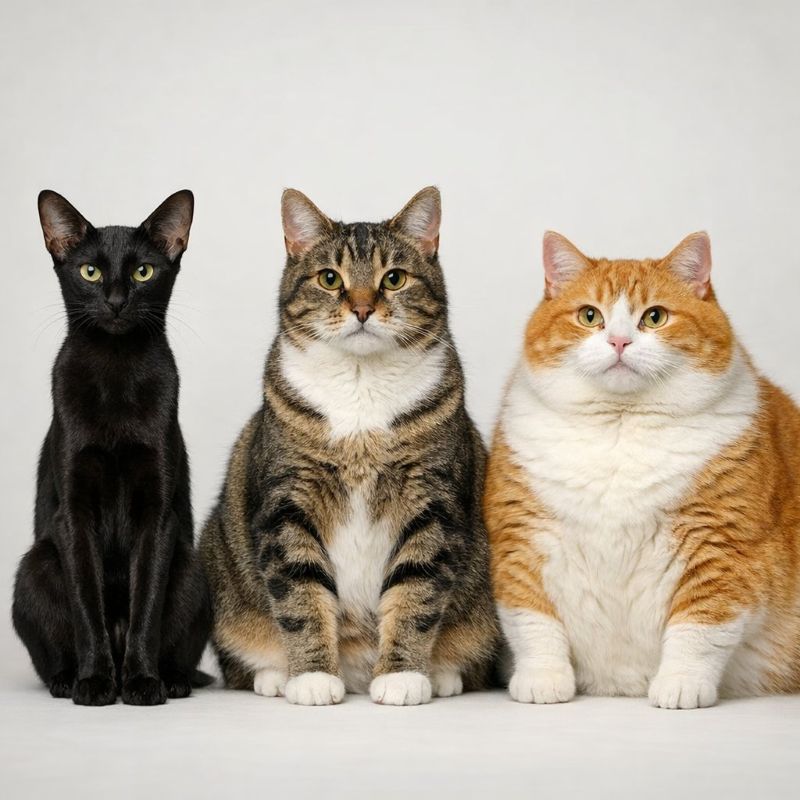
BCS is a numerical scale, usually 1 to 9, that describes how much body fat your cat has. A score of 1 means emaciated, 5 means ideal, and 9 means obese.
With this scale, you compare your cat to clear visual and tactile standards instead of just guessing by weight. It’s a lot more reliable than “eyeballing it.”
“Eyeballing it” can be influenced by the fur of your cat, that is lots of fur, doesn’t always mean overweight cat.
The main purpose is to spot underweight or overweight issues early. Regular scoring helps you adjust feeding, exercise, or seek veterinary assessment.
Vets also use BCS when prescribing diets, medications, or monitoring recovery from illness.
BCS combines visual checks and hands on assessment.
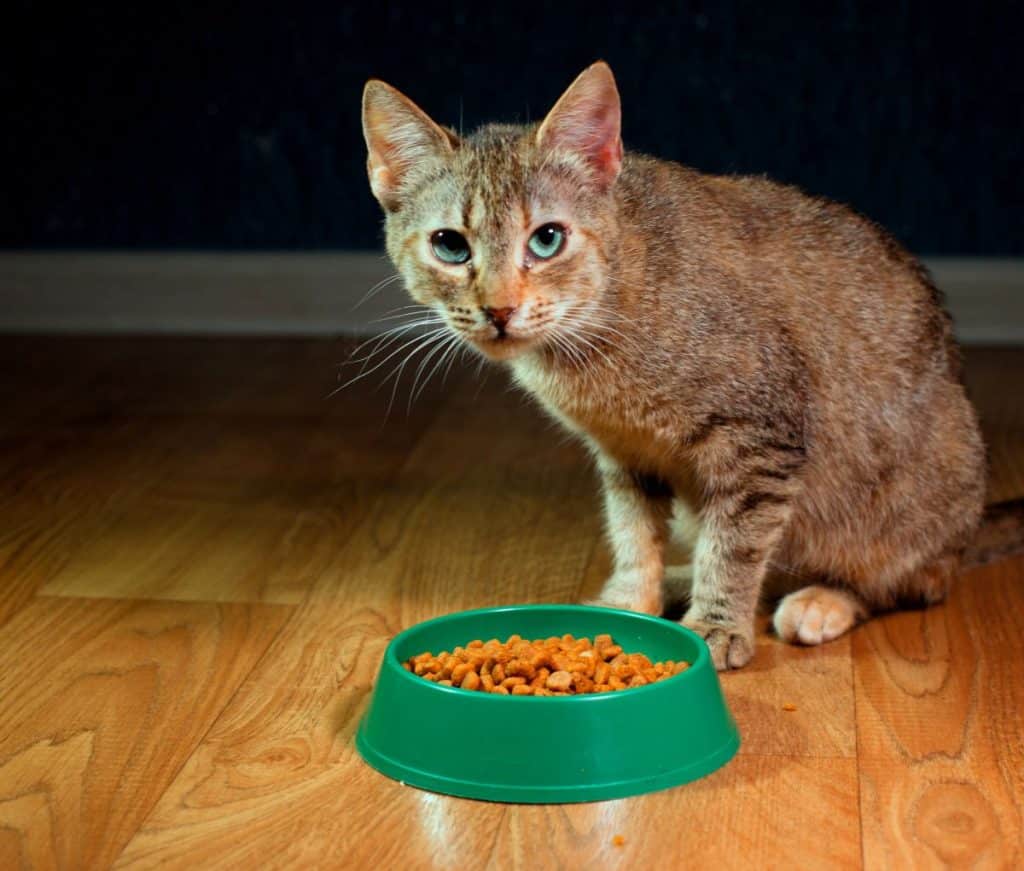
Ribs: You should feel ribs with a thin layer of fat. If ribs are hard to feel, the cat could be overweight.
Waist: Look for a noticeable waist behind the ribs when you look from above.
Abdomen: The belly should tuck up a bit. A sagging or rounded belly probably means extra fat.
Try this 3 step checklist:
- Feel ribs with gentle pressure.
- View your cat from above for waist definition.
- Look from the side for a belly tuck.
Use the same method each time so you actually track changes.
How to Assess Cat Body Condition Score
You can check your cat’s body shape, feel muscle and fat, and compare to standard scores.
Focus on rib feel, waist shape, and tummy fat to decide if your cat is underweight, ideal, or overweight.
Step by Step BCS Evaluation
Start with your cat standing on a flat surface. Watch the video above, as it shows clearly and quickly, what to do. Now, look from above and you should see a visible waist behind the ribs, if weight is healthy.
Next, view from the side. The belly should tuck up behind the ribs. A straight or sagging belly means extra weight.
Place your hands on each side of the ribcage and press gently with your fingertips. You want to feel ribs under a thin layer of fat, not sharp bones and not buried.
Record weight and BCS each time you check.
Common Scoring Systems For BCS
Two common systems exist: a 5 point and a 9 point scale. The 5 point scale marks 3 as ideal; lower is thin, higher is overweight.
The 9 point scale gives more detail, 4–5 equals ideal, 1 is emaciated, and 9 is severe obesity.
Use the chosen chart to match your findings to a number. Many vets like the 9 point scale for gradual tracking.
Write the score, date, and weight on a chart or app so you can see trends and share accurate data with your veterinarian.
Interpreting BCS Results
You’ll learn what each score means, which scores signal healthy weight, and how age or breed can change the ideal score.
Use the scale to guide feeding, activity, and vet decisions.
Don’t get too caught up in getting the scale right, if it seems confusing. It is just a guide, do your best and contact the vet if you are concerned or have questions.
BCS Scale Explained
The 9-point BCS is most common. Scores run from 1 (emaciated) to 9 (obese).
A cat at 1 is very thin, ribs, spine, and pelvic bones are obvious with no fat.
A cat at 9 has heavy fat over the ribs and spine, no waist, and a distended belly.
Score 4–5 is usually ideal on the 9-point scale. At these scores, you should feel the ribs with a light fat cover, see a visible waist behind the ribs, and notice an abdominal tuck.
Use touch and sight together, feeling ribs tells you about fat, while the waist and belly show body shape.
Healthy Versus Unhealthy Scores
Healthy scores are usually 4-5 on the 9 point scale. At these scores, your cat has enough fat reserves without excess weight that strains joints, heart, or metabolism.
Cats at this level move easily and keep muscle. Unhealthy low scores (1-3) mean your cat lacks fat and possibly muscle.
You might need to check for illness, dental pain, or poor appetite. Unhealthy high scores (6-9) indicate overweight or obesity.
There is a higher risk of diabetes, osteoarthritis, and a shorter lifespan if your cat is overweight or obese.
Ask your vet about a tailored weight loss plan if your cat is above 6.
Cat Age and Cat Breed Considerations
Kittens and young cats naturally look leaner. Their ideal BCS may sit a bit lower while they grow, but you should still feel ribs under a light fat cover.
Large framed breeds like Maine Coons may weigh more but still fall in the ideal BCS range if proportions look right.
Short legged or rounder breeds can hide fat more easily, rely on touch, not just looks.
When in doubt, ask your vet to palpate and confirm the right target score for your cat.
Managing Cat Weight Based on BCS
Nutritional Modifications
For overweight cats, switch to a measured, calorie controlled diet labelled for weight loss.

- Low calorie & L-Carnitine to promote ideal body weight
- High quality protein and natural fibers to help satisfy hunger between meals
- Omega-6s and vitamin E for beautiful skin and coat
- Made in the USA with global ingredients you can trust

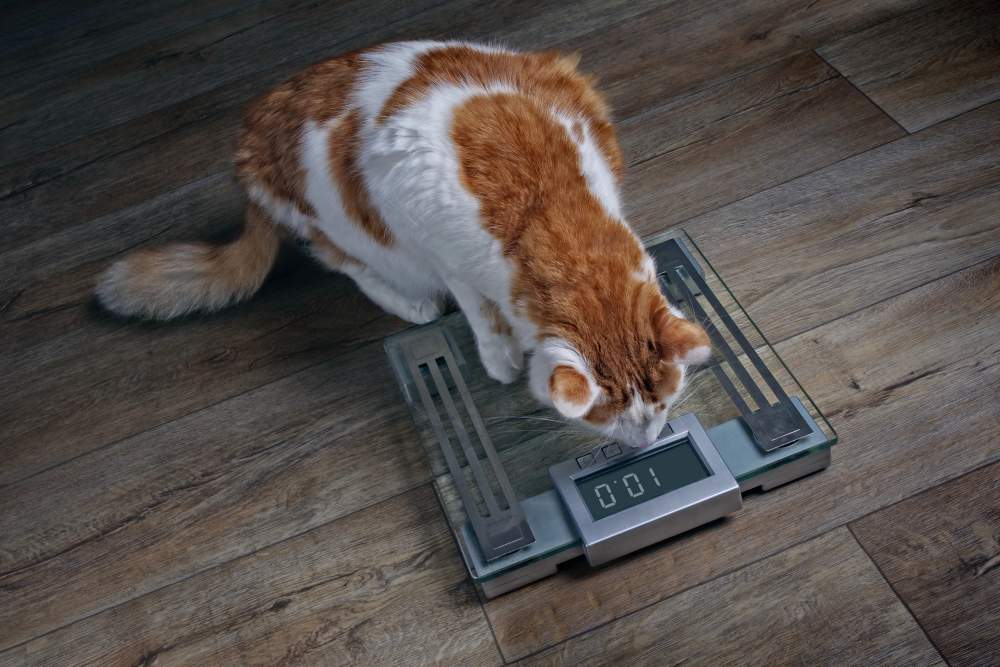
Use a kitchen scale to weigh food and feed twice daily and skip free feeding.

- Digital kitchen scale with food-safe, BPA-free plastic components
- Stainless steel platform with wide LCD screen
- Weighs up to 11 pounds (2 grams minimum, up to about 5000 grams); displays results in pounds, ounces…
- Tare button for measuring just the food, minus the container weight
For underweight cats, choose a higher calorie, tasty formula and increase meals to 3-4 small ones each day.

- Precise balance of key nutrients deliver the appropriate amount of energy to support ideal body weight in…
- High quality protein for lean muscles
- Omega-6s and vitamin E for beautiful skin & coat
- Made in the USA with global ingredients you can trust
Start with the feeding guidelines on the label, then adjust under veterinary guidance. Wet food can help if your cat needs more calories or hydration.
Exercise and Enrichment Strategies
Boost activity with short, frequent play sessions. Try two to four 5–10 minute sessions daily using wand toys, a laser pointer, or feather toys to get your cat chasing and pouncing.
Add vertical spaces and puzzle feeders to make your cat work for food. Switch up toys every week to keep things fresh.
For indoor cats, hide small meals around the house to boost movement without forcing exercise.
For older or joint pain cats, stick with gentle play on soft surfaces and short walks on a harness if your cat is up for it.
When to Seek Professional Help
Can’t feel ribs or spine at all? Or see bones sticking out? Either way, it’s a red flag for malnutrition or severe obesity, and you’ll want tests and a real plan.
Jot down your cat’s weight, BCS scores, what they eat, and how active they are. Bring this info to your vet, it helps them spot trends and set up a plan with clear targets.
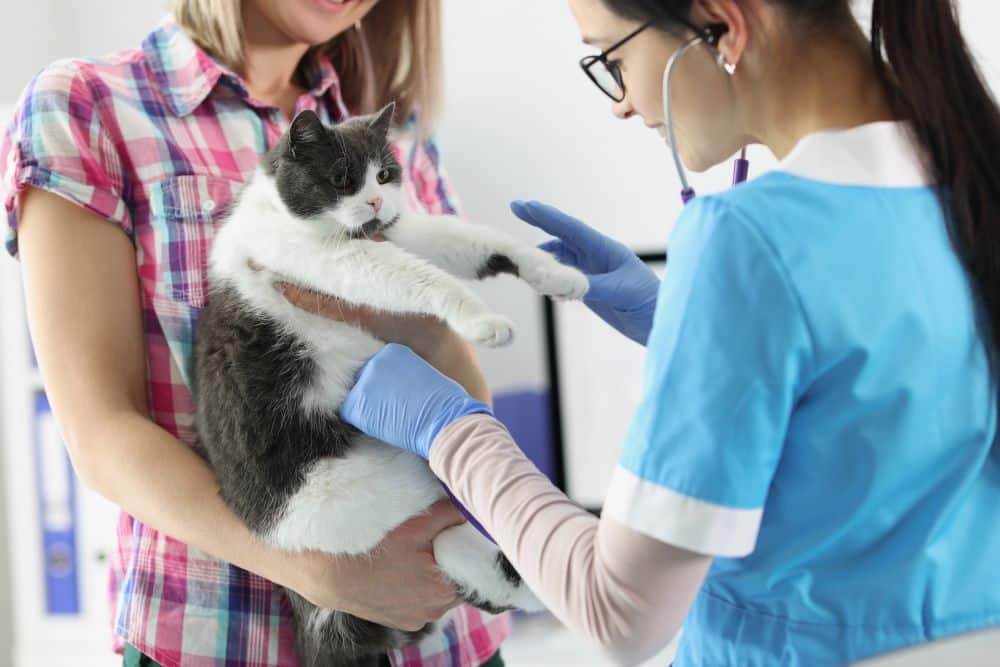
If your cat hides, flinches, or seems in pain when you try to check their body, get an exam soon.
The vet can safely check muscle and fat, run tests, and suggest slow, safe changes.

Last update on 2026-03-27 / Affiliate links / Images from Amazon Product Advertising API