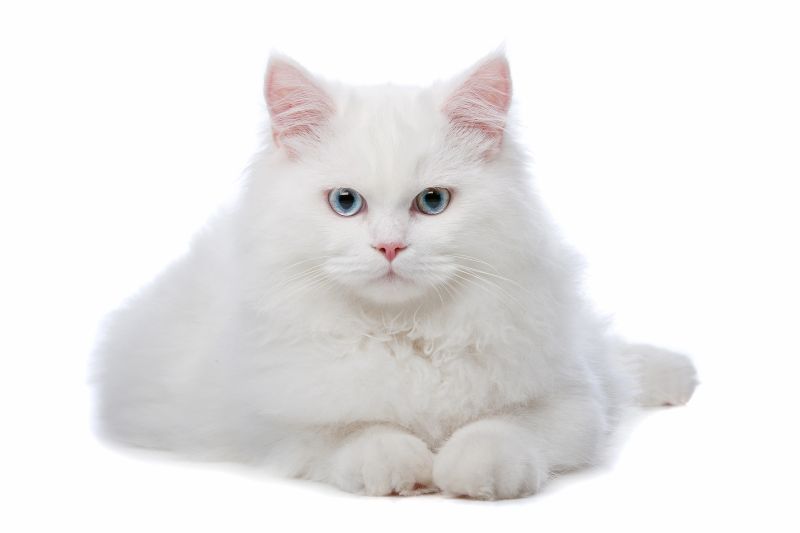
Discoloration on a white cat’s fur crops up for all sorts of reasons, dirt, oils, and sometimes even health issues.
To get rid of yellowing or stains, you’ll need to stick to regular grooming.
Cat safe whitening shampoos and conditioners, plus consistent brushing, really help bring back that bright white look.
Keeping the cat’s environment clean matters, too, and avoiding too much direct sunlight can make a difference.
For more stubborn stains, whitening sprays and wipes made for cats can come in handy.
If the discoloration just won’t budge, it’s probably time to check in with a vet to see if there’s something medical going on.
Give the cat a gentle bath using antibacterial shampoo made for cats helps if oil build up is the culprit. This clears the fur without irritating the skin.
And honestly, a balanced diet supports healthy skin and fur, so you’ll see less discoloration over time if your cat eats well.
Table Of Contents
1.Understanding Fur Discolouration in White Cats
White cats can pick up stains for a bunch of reasons, often tied to their daily habits or health.
Common Causes of Fur Stains
White fur just shows dirt more than darker coats, there’s no getting around it. Here are some common causes of fur stains:
Environmental factors: Dust, smoke, and household chemicals can leave yellow or brown patches.
Natural oils: Sometimes cats produce extra oils, and that builds up, making fur look greasy or off color.
Tears and saliva: Stains around the eyes and mouth happen because of tears and licking. These fluids have porphyrins, which tint the fur reddish-brown.
Diet and health: If a cat’s diet is lacking or there’s an underlying health issue, fur quality and color can suffer.
Regular grooming and cleaning really cut down on these stains.


Types of Discolouration
Most of the time, fur discoloration falls into these loosely based categories:
Yellowing: This is super common and usually comes from oil, sunlight, or just aging. Sometimes the yellow is dull, sometimes it’s almost neon.
Brown or reddish stains: Tears or saliva do this, thanks to those natural pigments (porphyrins).
Greenish or greyish tones: Usually from environmental stuff or skin issues.
Each type needs its own care, sometimes a special shampoo, sometimes a trip to the vet.
Areas On The Cat Most Affected By Staining Of The Fur
Some areas on a white cat just seem to stain faster:
The face, right around the eyes and mouth gets hit by tears and licking.
The paws because cats walk through all sorts of mess, and it sticks to their paws and lower legs.
The underbelly and tail gather grease and dirt, especially if your cat goes outside.
Pay extra attention to these areas during cleaning to really help.
2. Step By Step Guide to Cleaning Discoloured Fur In Cats
The right tools and products make a big difference for both fur and skin.
Assessing the Severity of Stains
First, figure out what kind of discoloration you’re dealing with. Light stains from dirt or food are usually easy to handle at home.
Deep yellowing or stubborn stains might mean the fur is aging or there’s something else going on that needs special care.
Check the stains under natural light. Oily or sticky spots might need a more thorough wash, while dry stains could come out with gentle brushing.
Look at the skin underneath, too. If it’s red or irritated (poor kitty), be extra careful and maybe ask a vet for advice.
Gentle Brushing Techniques
Brushing loosens up dirt and can perk up the fur before you even think about washing. Use a soft bristle brush or a gentle comb.
Always brush in the direction the fur grows, and take it slow to avoid pulling hairs. Focus on the stained areas, but don’t skip the rest of the coat.
If you hit a tangle, gently tease it apart, don’t yank. Brushing often also spreads out natural oils, which helps prevent future stains.
Do not use metal combs with sharp points because they can scratch the skin.
Dampen the brush a bit if static is a problem, it helps lift out particles, too.
Bathing Procedures
Before you start, grab a mild cat shampoo, like the one above, ideally one made for white fur.
Human shampoos are a no go, they are too harsh for cats.
- Use lukewarm water and wet the fur all the way through.
- Work the shampoo in gently, paying extra attention to stained spots, but cover the whole cat.
- Keep soap away from the eyes, ears, and nose.
- Rinse thoroughly so there’s no residue left behind. Leftover shampoo can dry out or irritate the skin.
- Towel dry with something soft, and if your cat doesn’t mind, use a blow dryer on low.
For stubborn yellow stains, try a diluted mild soap or a whitening pet shampoo. Stay away from anything harsh or bleach based.
Bath time can be stressful, so go slow and keep things calm. Sometimes, a few gentle baths over several days work better than one big wash.
3.Recommended Products for Treating Discolouration
Getting rid of fur stains means picking products that clean, lift stains, and bring back that white shine, without bugging your cat’s skin. Choosing the right stuff makes a real difference.
Specialized Cat Shampoos
Shampoos made for white or light colored cats are a must.
These usually have gentle whitening agents and mild cleansers that target yellow or brown stains safely.
Check the label for ingredients like benzoyl peroxide or oatmeal. They both clean and soothe while brightening.
Avoid strong perfumes or any human grade whitening agents because they can irritate your cat’s skin.
Wash your cat once or twice a week, making sure to rinse out all the soap. Always follow the directions on the pet shampoo for best results.
Stain Removal Sprays
Stain sprays can really help with stubborn spots. They usually use enzymes to break down stains from saliva, tears, or food.
Enzymatic sprays are a good pick because they dissolve stains without hurting fur or skin. Spray directly on the spot, let it work for the amount of time the label says, then brush or wipe it off.
Stick with sprays made for cats to avoid any unsafe ingredients. Some even have light conditioners to keep fur soft after cleaning.

Conditioning Treatments
After cleaning, conditioners keep fur healthy and bright. Cat safe conditioners restore moisture and stop dryness, which can make stains worse.
Look for ones with natural oils like coconut or argan because they add shine and smoothness without clogging pores. Spray on or rinse out options made for pets are easiest to use.
Regular conditioning also protects the skin barrier, so the coat’s less likely to get discolored from irritation or dryness.

- Premium Cat Unscented Shampoo Formula – Deep cleansing and conditioning in one step.
- Safe for Cats & Kittens – Natural ingredients for sensitive skin.
- Gentle Cat Care – Vet-developed, gentle for regular use. Fragrance-free.
- Tear-Free & pH-Balanced – Hypoallergenic formula is safe for kittens and sensitive cats.
4. Home Remedies and Natural Solutions
You can tackle mild discoloration with safe, simple ingredients from around the house. These methods skip harsh chemicals and focus on what won’t irritate your cat.
Safe Household Ingredients
Baking soda, cornstarch, and boiled water are all gentle enough for white fur.
Baking soda lifts dirt and oils, while cornstarch soaks up grease, handy for cats with oily patches.
Boiled and cooled water works well to rinse away loosened debris without bothering the skin.
Steer clear of anything with strong scents, bleach, or ammonia.
Those can cause skin problems or even make stains worse. Use a soft cloth or sponge to apply these, and always test a tiny area first.
DIY Cleaning Formulas
Try mixing 1 tablespoon baking soda with 2 tablespoons water to make a paste. Rub it gently onto the stain, wait a few minutes, then rinse with lukewarm water.
Or, use a mix of equal parts cornstarch and water, either as a paste or a light dusting. It’s gentle but does a good job freshening up fur.
After any homemade cleaner, dry the fur well, especially if it’s chilly out.
You can repeat these once a week, but don’t skip regular grooming or vet check-ins if stains keep coming back.
5. Preventing Future Fur Discolouration
Keeping a white cat’s coat bright takes some effort, good food and regular grooming are both key. Together, they help fur stay healthy and less likely to stain.
Dietary Considerations
A balanced diet makes a big difference.
Feed your cat food with plenty of protein, healthy fats, and important vitamins for coat strength and shine, A, E, and biotin are especially helpful.
Skip the cheap stuff with fillers or lots of artificial ingredients, since those can mess with fur and skin. Always have fresh water out to keep skin hydrated and fur looking good.
Adding omega-3 and omega-6 fatty acids can help cut down on inflammation and prevent discoloration from skin issues.
Some people use supplements, but it’s best to ask a vet first.
Regular Grooming Schedules
Grooming often keeps dirt and oils from building up and staining fur. Brushing removes loose hairs and spreads natural oils, which helps keep the coat bright.
Try to brush your white cat 2-3 times a week and daily if the fur’s long. Use a soft brush or comb meant for cats to avoid scratching their skin.
If your cat gets into something messy, clean the area with water and mild pet shampoo. Stay away from harsh chemicals or people products, they just aren’t safe for cats.
Honestly, a calm environment helps, too. Stressed cats don’t groom as well, and that can make staining worse.
6. When to Seek Veterinary Advice
Sometimes, discoloration means there’s a health problem or maybe you’ve tried a cleaning method that isn’t safe. If you’re not sure, or if stains keep coming back, it’s always worth asking your vet because they will know what’s best for your cat.
Signs of Underlying Health Issues
If your cat’s fur suddenly changes color or you notice odd patches, it might be more than just a case of dirt. Keep an eye out for things like itching, redness, hair loss, swelling, or sores on their skin.
These symptoms often point to allergies, infections, or even parasites. You might want to check for any other changes too.
If you notice your cat hiding, eating less, or acting tired along with fur discoloration, don’t just brush it off. These behaviors can mean your cat feels uncomfortable or is actually sick.
Honestly, it’s better to get a vet’s opinion early. Catching problems quickly can make a huge difference.
Safe Removal Methods
When you try to remove discoloration, do it gently so you don’t hurt your cat’s skin. Please skip the human shampoos, bleach, or any harsh chemicals because they can really irritate or even burn a cat’s skin.
Reach for pet safe products like mild cat shampoos with ingredients that clean or brighten without drying the fur. For stubborn stains, a vet might suggest a medicated shampoo or special wipes.
Before you go all in with a new product, do a small patch test on your cat’s fur. If you see redness or a rash, stop right away and call your vet.
If the stain covers a large area or just won’t go away, it’s time to ask a professional for help.
7.Proper Care for Cats With Sensitive Skin
Cats with sensitive skin need a little extra attention.
Avoiding Skin Irritation
To prevent irritation, stick with hypoallergenic shampoos and grooming products made for sensitive skin. These usually skip harsh stuff like sulfates and artificial fragrances that can make skin itch or turn red.
Don’t overdo it with baths, only wash your cat when it’s really needed. Too much washing dries out their skin fast.
When you do bathe your cat, use lukewarm water and rinse like your life depends on it. Leftover shampoo can be a real pain for cats.
After grooming, check for any redness, flakes, or if your cat scratches more than usual. If you spot something off, stop using that product and ask your vet what’s safer.
Best Grooming Tools
Picking the right grooming tool matters, especially for sensitive fur. Soft bristle brushes or rubber grooming gloves work wonders for removing loose hair without scratching.
Stay away from metal combs with sharp edges, they can hurt or even break the skin. Wide-toothed combs are much better for gently working out knots.
Brushing regularly helps spread natural oils and keeps fur healthy.
Just go easy and watch how your cat reacts, nobody wants a stressed-out cat.
What precautions Can I take to avoid fur discoloration in white cats?
Keep your cat indoors, or at least away from dusty, dirty places. If your cat heads outside, wipe their paws and fur often to get rid of dirt.
Steer clear of cigarette smoke, strong perfumes, or anything else that might stain their fur. Make grooming a regular thing, and clean up any stains right away.

Last update on 2026-03-31 / Affiliate links / Images from Amazon Product Advertising API