
Cats are experts at hiding when they feel sick or hurt.
This makes it hard for owners to know when something is wrong.
Regular vet visits help catch health problems early before they become serious.
Most adult cats should visit the vet at least once a year for a routine check-up↗, while kittens need monthly visits during their first year and senior cats↗ over seven years old should go twice a year.
These regular appointments let your vet track your cat’s health over time and spot any changes that might signal a problem.
Taking your cat to the vet might seem stressful, but it’s one of the most important things you can do as a cat owner.
Understanding how often your cat needs to see the vet at different life stages helps you plan ahead and keeps your pet healthy for years to come.
Key Information
- Kittens need monthly vet visits in their first year, adult cats need annual check ups, and senior cats require twice yearly exams
- Regular vet visits include physical exams, vaccines, and preventive care that catch health issues before they become emergencies
- You should take your cat to the vet immediately if you notice sudden changes in behavior, eating habits, or signs of pain
Recommended Veterinary Visit Frequency
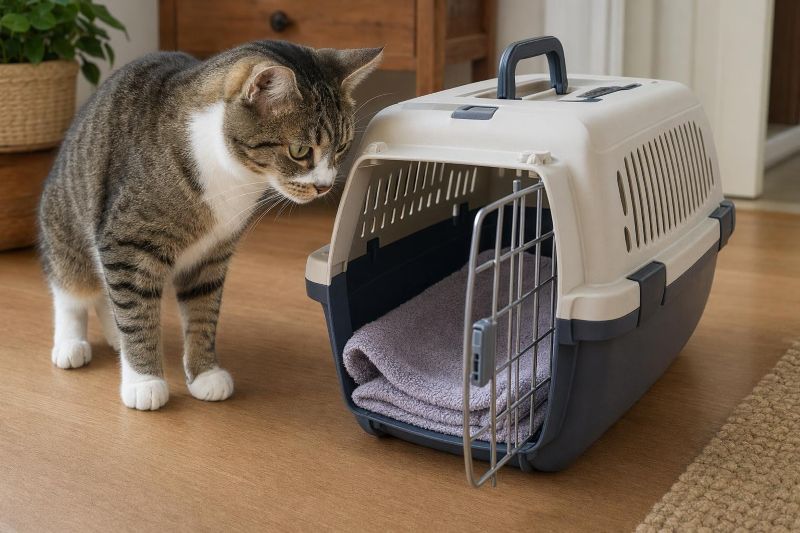
Your cat’s age determines how often they need veterinary care.
Kittens require the most frequent visits for vaccinations and growth monitoring, while adult cats need annual checkups and senior cats benefit from twice-yearly examinations.
Kittens: Vaccination and Early Development Schedules
Kittens need their first veterinary visit at 6 to 8 weeks of age.
During this critical growth period, ideally your kitten requires multiple appointments spaced 3 to 4 weeks apart until they reach 16 weeks old.
These frequent visits serve several purposes. Your veterinarian will administer core vaccines to protect against diseases like feline distemper, feline herpesvirus, and rabies.
They’ll also monitor your kitten’s weight, growth, and development to catch any health issues early.
Typical kitten visit schedule:
- First visit: 6-8 weeks
- Second visit: 10-12 weeks
- Third visit: 14-16 weeks
- Spay/neuter consultation: 4-6 months
Your vet will discuss deworming, flea prevention, and spaying or neutering during these appointments.
Adult Cats: Routine Health Maintenance
Adult cats between 1 and 7 years old need annual veterinary checkups. These yearly visits help detect health problems before they become serious.
During annual exams, your veterinarian will check your cat’s weight, teeth, heart, and organ function.
They’ll update vaccines based on your cat’s lifestyle and discuss parasite prevention.
Blood work may be recommended to establish baseline health values for future comparison.
Even if your cat seems healthy, these visits are important.
Cats hide signs of illness naturally, and regular exams catch problems you might miss at home.
Senior Cats: Age-Related Health Considerations
Cats aged 7 years and older need veterinary visits every 6 months.
Senior cats face higher risks for conditions like kidney disease, thyroid problems, diabetes, and arthritis.
Twice-yearly check ups allow your veterinarian to monitor changes more closely. Blood work and urine tests become standard at these visits to track organ function. Your veterinarian will assess your senior cat’s mobility↗, dental health, and weight management needs.
These more frequent visits help manage age-related conditions↗ early when treatment is most effective.
Your veterinarian can adjust medications and recommend dietary changes↗ to keep your senior cat comfortable and healthy.
Other Factors Influencing How Often Cats Need Vet Visits
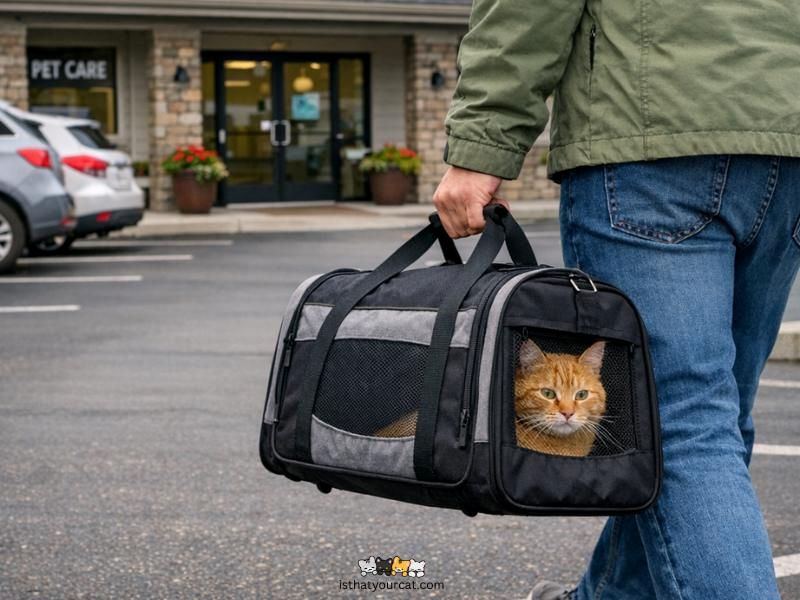
Your cat’s individual circumstances determine whether they need annual checkups or more frequent visits.
Health status, living environment, and genetic background all play a role in creating the right vet schedule.
Chronic Health Conditions
Cats with ongoing medical issues need more frequent veterinary care than healthy cats. Conditions like diabetes, kidney disease, hyperthyroidism, and heart disease require monitoring every 3 to 6 months.
Your vet will track how well medications are working and adjust treatment as needed. Blood tests and physical exams help catch any changes before they become serious problems.
Common conditions requiring frequent visits:
- Diabetes (every 3-6 months for glucose monitoring)
- Chronic kidney disease (every 3-4 months for blood work)
- Hyperthyroidism (every 3-6 months for thyroid level checks)
- Arthritis (every 6 months for pain management)
- Inflammatory bowel disease (every 3-6 months)
Cats on long-term medications need regular checkups to watch for side effects.
Your vet may recommend more frequent visits during the first few months of treatment.
Lifestyle and Indoor vs. Outdoor Living
Outdoor cats face more health risks and should see the vet at least twice a year.
They get exposed to parasites, infectious diseases, injuries from fights, and accidents.
Indoor cats typically need only annual wellness visits if they’re healthy. They have less exposure to diseases and parasites that outdoor cats encounter.
Cats who go outside need year round flea, tick, and heartworm prevention. They also need more frequent parasite screenings and may require additional vaccines for diseases like feline leukemia.
Indoor cats can skip some vaccines and may need fewer parasite tests. But they still need regular check ups to catch health issues↗ early, since cats hide signs of illness well.
Breed-Specific Risks
Certain cat breeds have genetic conditions that require extra monitoring. Purebred cats often need more frequent vet visits than mixed-breed cats.
Persian cats are prone to kidney disease and breathing problems from their flat faces.
Maine Coons face risks of heart disease and hip problems.
Bengal cats can develop eye conditions and heart issues.
Breeds needing closer monitoring:
- Persians: Annual heart scans, kidney function tests
- Maine Coons: Heart ultrasounds every 1-2 years
- Siamese: Regular dental checkups, eye exams
- Scottish Folds: Joint and cartilage assessments
- Bengals: Annual heart screenings, eye exams
What Happens During a Routine Veterinary Visit
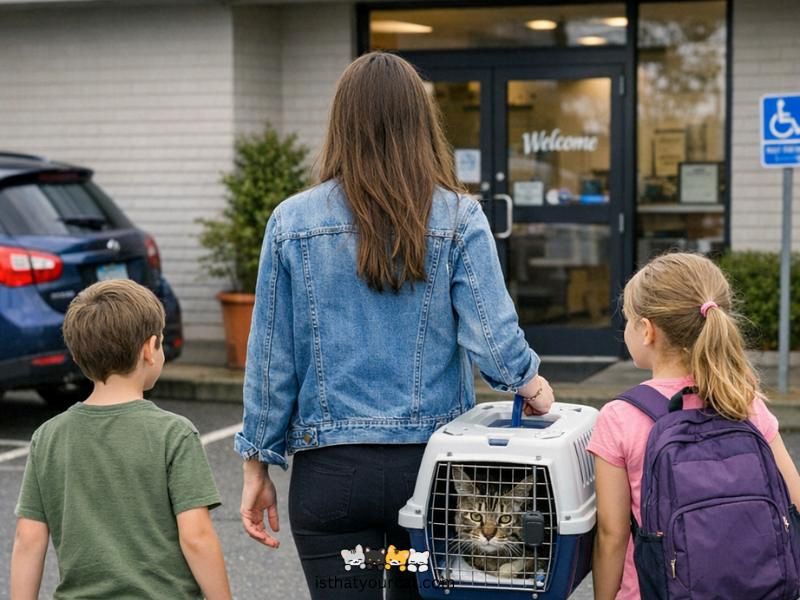
A routine vet visit includes a full physical exam, preventive health screenings, and vaccine updates based on your cat’s age and health needs.
Physical Examinations
Your vet starts by checking your cat’s weight and body condition. They look at whether your cat is underweight, overweight, or at a healthy weight for their size and breed.
The vet examines your cat’s eyes, ears, nose, and mouth. They check for signs of infection, discharge, or dental problems.
Dental disease is common in cats, so your vet will look at your cat’s teeth and gums for tartar buildup, inflammation, or broken teeth.
Your vet listens to your cat’s heart and lungs with a stethoscope. They check for abnormal heart rhythms, heart murmurs, or breathing problems.
They also feel your cat’s abdomen to check the size and shape of internal organs like the liver, kidneys, and intestines.
The vet checks your cat’s skin and coat for fleas, ticks, lumps, or areas of hair loss.
They also examine your cat’s joints and muscles by gently moving their legs and feeling for pain or stiffness.
Preventive Screenings and Diagnostics
Your vet may recommend blood tests to check your cat’s organ function and overall health. These tests can find early signs of kidney disease, diabetes, or thyroid problems before your cat shows symptoms.
Common diagnostic tests include:
- Complete blood count (CBC) to check for anemia or infection
- Blood chemistry panel to evaluate kidney and liver function
- Thyroid testing for cats over age 7
- Urinalysis to check kidney function and detect urinary tract infections
- Fecal testing to check for intestinal parasites
Senior cats ages 10 and older usually need more frequent testing. Your vet may suggest blood work every 6 to 12 months to catch age-related health↗ problems early.
Vaccination Updates
Your vet reviews your cat’s vaccination history and determines which vaccines your cat needs. Core vaccines protect against serious diseases that all cats should receive. Non core vaccines depend on your cat’s lifestyle and risk factors.
Core vaccines for cats:
- Rabies (required by law in most areas)
- FVRCP (protects against feline viral rhinotracheitis, calicivirus, and panleukopenia)
Non-core vaccines your vet may recommend:
- Feline leukemia virus (FeLV) for cats that go outdoors
- Bordetella for cats in shelters or boarding facilities
Adult cats typically need booster shots every 1 to 3 years.
Your vet will create a vaccination schedule based on your cat’s age, health status, and whether they go outside or live only indoors.
Recognizing Signs Your Cat Needs Immediate Vet Attention

Some cat health problems can’t wait for a regular checkup. Certain behavioral shifts and physical symptoms signal that your cat needs emergency care right away.
Behavioral Changes
Your cat’s behavior tells you a lot about their health. Watch for sudden hiding or aggression, as cats often isolate themselves when they feel seriously ill. If your normally friendly cat suddenly hisses or bites when touched, they may be in pain.
Critical behavioral warning signs include:
- Difficulty urinating or frequent trips to the litter box with little output
- Inability to walk or sudden paralysis in the back legs
- Unresponsiveness or extreme lethargy
- Refusing to eat for more than 24 hours
- Excessive drooling or pawing at the mouth
Changes in litter box habits↗ deserve special attention. Male cats who strain to urinate or cry out in the litter box may have a urinary blockage. This is a life threatening emergency that requires treatment within hours.
Disorientation, confusion, or seizures also require immediate care. If your cat seems unable to recognize you or appears to stare at walls, don’t wait to get help.
Physical Symptoms of Illness
Physical symptoms often appear when a medical emergency is already underway. Difficulty breathing is one of the most urgent signs. You might notice rapid breathing, open mouth breathing, or your cat’s sides heaving with effort.
Get emergency help if your cat shows:
- Heavy bleeding that won’t stop after 5 minutes of pressure
- Pale or blue colored gums
- Bloated or hard abdomen
- Severe vomiting or diarrhea
- Collapse or loss of consciousness
Check your cat’s gums regularly so you know what’s normal. Healthy gums are pink and moist. White, gray, or blue gums mean your cat isn’t getting enough oxygen.
If your cat ate something toxic like lilies, antifreeze, or human medications, contact your vet immediately. Even if your cat seems fine, many poisons take hours to show symptoms. The faster your cat gets treatment, the better their chances of recovery.
Wounds, broken bones, or injuries from falls also need prompt attention, even if your cat is still moving around.
Preventive Care Beyond Regular Check-Ups
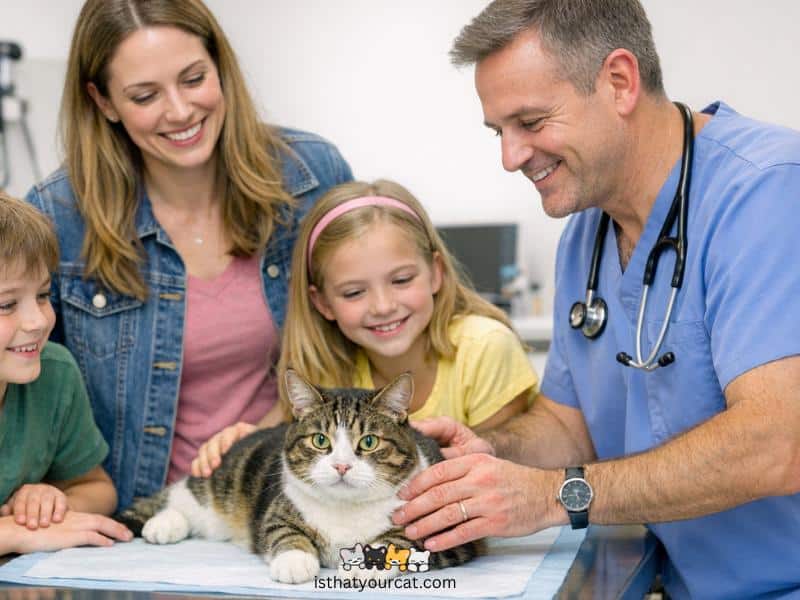
Preventive care extends well beyond your annual or bi-annual vet appointments. Dental health,parasite prevention↗, and proper nutrition require ongoing attention throughout your cat’s life to prevent serious health problems.
Dental Assessments
Dental disease affects up to 70% of cats by age three. Your vet should check your cat’s teeth and gums at every visit, looking for tartar build up, gingivitis, and tooth decay.
Professional dental cleanings typically become necessary every 1-2 years for most cats. These cleanings require anesthesia so your vet can thoroughly remove plaque below the gum line. Signs your cat needs dental attention include bad breath, drooling, difficulty eating, or pawing at their mouth.
Between vet visits, you can help maintain your cat’s dental health at home↗. Brush your cat’s teeth 2-3 times per week using cat-specific toothpaste.
Dental treats and special diets can also reduce plaque formation, though they don’t replace brushing or professional cleanings.
Parasite Control
Year round parasite prevention protects your cat from fleas, ticks, heartworms, and intestinal parasites. Indoor cats still need protection since parasites can enter your home on clothing, shoes, or through screens.
Your vet will recommend specific products based on your location and your cat’s lifestyle. Most preventive medications work monthly, either as topical treatments or oral tablets.
Heartworm prevention is especially important in areas with high mosquito populations, as heartworm disease can be fatal in cats.
Your vet should perform fecal tests annually to check for intestinal parasites like roundworms, hookworms, and tapeworms. Cats who go outdoors or hunt may need more frequent testing every six months.
Nutritional Evaluations
Your cat’s nutritional needs change throughout their life stages. Kittens need high-calorie food for growth, while adult cats require balanced nutrition to maintain a healthy weight. Senior cats often benefit from specialized diets that support kidney function and joint health.
Your vet should assess your cat’s body condition score↗ at each visit. This score helps determine if your cat is underweight↗, overweight, or at an ideal weight. Obesity affects nearly 60% of cats and leads to diabetes↗, arthritis, and heart disease.
Discuss your cat’s diet with your vet, including portion sizes, feeding frequency, and treat intake.
Some cats need prescription diets to manage conditions like urinary crystals, food allergies, or chronic kidney disease.
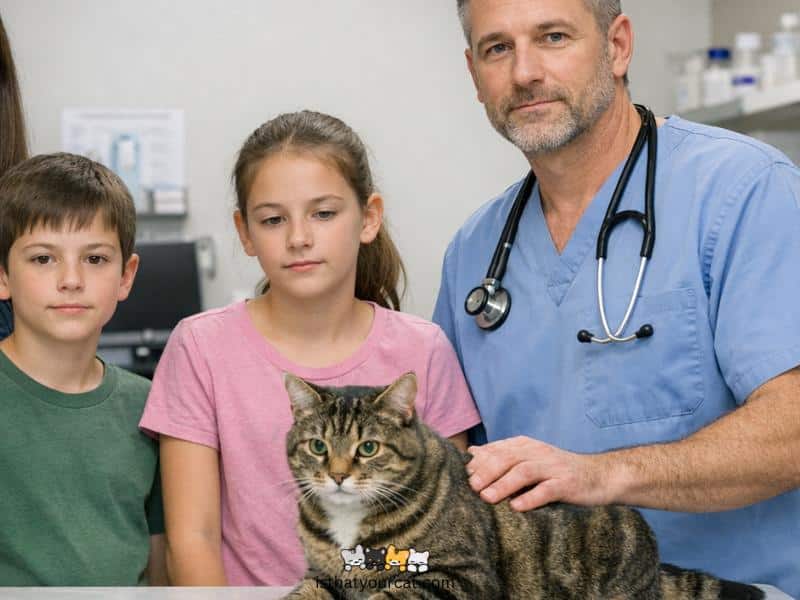
Cost Considerations for Regular Veterinary Visits
Veterinary care costs add up over your cat’s lifetime, so planning ahead↗ helps you provide consistent medical attention without financial strain. Understanding typical expenses and exploring insurance options makes budgeting easier.
Budgeting for Routine Care
A standard vet visit for cats costs around $138 on average. This covers the basic exam, but additional services increase the total.
You should expect to pay for routine check ups once or twice each year for healthy adult cats. Kittens need more frequent visits during their first year for vaccines and developmental checks.
Senior cats over seven years old typically need check ups twice yearly to catch age-related health problems early.
Common expenses beyond the exam fee may include:
- Vaccines and boosters
- Fecal tests for parasites
- Blood work panels
- Flea and tick prevention
- Heartworm testing
- Dental cleanings
Setting aside $300 to $600 per year covers basic preventive care for most cats. Kittens cost more in their first year due to initial vaccines and spaying or neutering. Senior cats may need extra diagnostic tests that raise annual costs.
Location affects pricing significantly. Urban veterinary clinics charge more than rural practices.
Your area’s cost of living directly impacts what you pay.
Pet Insurance Options
Pet insurance helps manage unexpected veterinary bills and makes expensive treatments more affordable. Most plans work by reimbursing you after you pay the vet directly.
Basic accident and illness plans cover emergencies, surgeries, and diagnostic tests. Wellness plans add coverage for routine care like annual exams, vaccines, and dental cleanings.
Monthly premiums typically range from $15 to $50 depending on your cat’s age, breed, and your chosen coverage level.
You need to compare deductibles, reimbursement rates, and annual limits before choosing a plan. Some insurers exclude pre-existing conditions or breed-specific health issues. Reading the fine print prevents surprises when you file claims.
Starting insurance when your cat is young and healthy keeps premiums lower. Waiting until health problems appear often means those conditions won’t be covered.

Tips for Preparing Your Cat for Vet Appointments
Getting your cat ready for the vet takes planning and patience. The carrier and the trip itself are often the biggest sources of stress for cats.
Reducing Stress During Transport
Keep the carrier stable and level during the car ride. Cover it with a light towel or blanket to create a dark, den-like space that helps many cats feel more secure.
Play calming music or keep the car quiet during the drive. Avoid sudden stops and sharp turns when possible.
Place a familiar item inside the carrier, like a worn t-shirt or small blanket that smells like home. This provides comfort through scent recognition.
Consider these calming options ↗
- Synthetic pheromone sprays designed for cats
- Over-the-counter calming supplements (ask your vet first)
- Prescription anti-anxiety medication for very fearful cats
Schedule appointments during less busy times at the clinic.
Early morning slots often mean fewer dogs in the waiting room, which can help keep your cat calmer.
Acclimating Cats to Carriers
Leave the carrier out in your home as regular furniture instead of storing it away. Cats learn to see it as a safe space rather than a trap that only appears before stressful events.
Put soft bedding, treats, and toys inside the carrier. Feed your cat near or inside it to build positive associations.
Practice short sessions where you close the carrier door for a few seconds, then open it while giving treats. Gradually increase the time over several weeks.
Take practice car rides ↗that don’t end at the vet. Drive around the block and return home to break the connection between carrier and vet visits. Start with trips lasting just 5-10 minutes.
Summary
Your cat needs regular vet visits throughout their life, but the frequency changes based on their age and health status.
Kittens (under 1 year) need the most frequent visits. You should take them every 3-4 weeks until they finish their initial vaccines and checkups. This usually means 3-4 visits in their first few months.
Adult cats (1-7 years) need annual checkups. One visit per year is enough if your cat is healthy and lives indoors.
Senior cats (7+ years) require more attention. You should schedule checkups twice a year because older cats develop health problems more quickly.
Your cat might need extra visits if they have chronic conditions like diabetes or kidney disease. Cats with these issues often need checkups every 3-6 months.
| Cat’s Age | Vet Visit Frequency |
|---|---|
| Kittens (0-1 year) | Every 3-4 weeks |
| Adults (1-7 years) | Once per year |
| Seniors (7+ years) | Twice per year |
| Chronic illness | Every 3-6 months |

Frequently Asked Questions
Most cats need annual vet visits, but kittens require more frequent care every 3-4 weeks, while senior cats benefit from check-ups twice a year.
Are there specific signs to watch for that indicate a cat should see a veterinarian sooner than scheduled?
Several warning signs mean you should take your cat to the vet right away. Difficulty urinating or straining in the litter box can signal a life-threatening blockage.
Sudden behavioral changes↗ like hiding, aggression, or lethargy often indicate pain or illness. Respiratory issues such as coughing, wheezing, or difficulty breathing require immediate attention.
Other urgent signs include vomiting or diarrhea lasting more than 24 hours, loss of appetite for more than a day, and visible injuries or bleeding. You should never wait for a scheduled visit if your cat shows these symptoms.
Can indoor-only cats have different veterinary requirements than outdoor cats?
Indoor cats generally face fewer health risks than outdoor cats. They need fewer vaccinations because they have less exposure to infectious diseases and wild animals.
Most indoor cats should still see the vet at least once a year for wellness exams. They still need core vaccines and preventative care even though they stay inside.
Outdoor cats need additional protection against diseases like feline leukemia and rabies. They also require more frequent parasite prevention because of exposure to fleas, ticks, and other animals.

