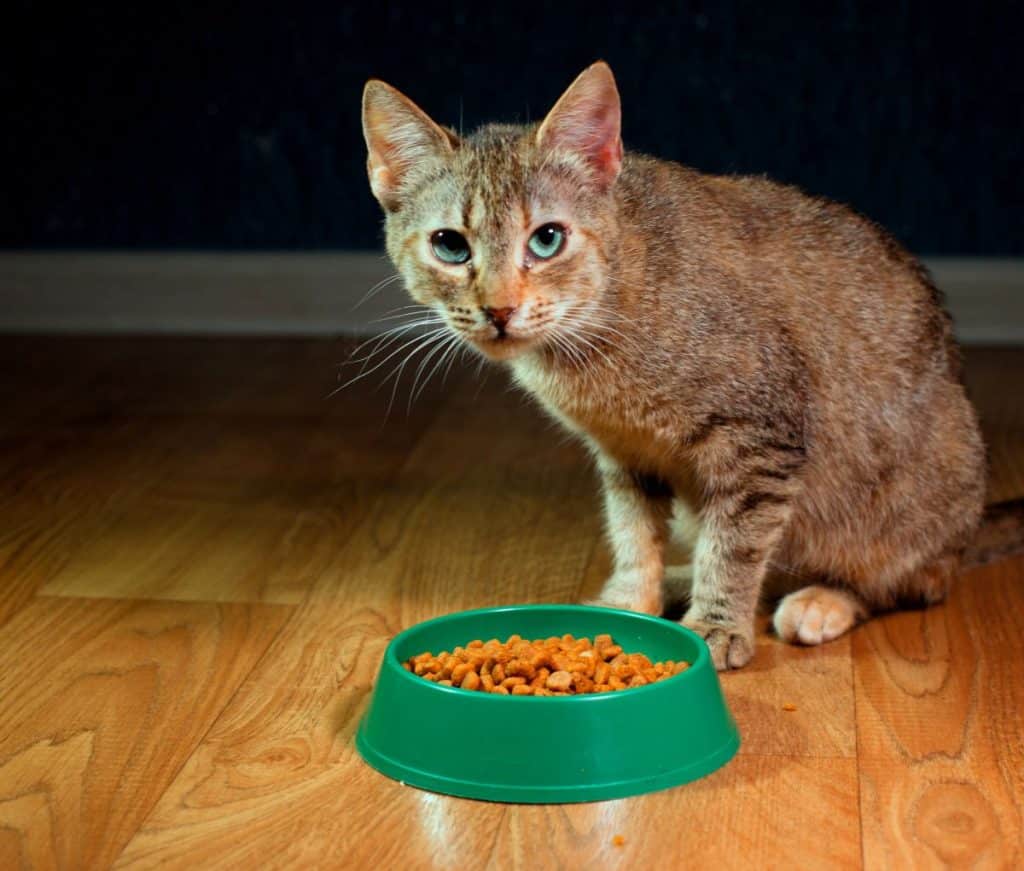
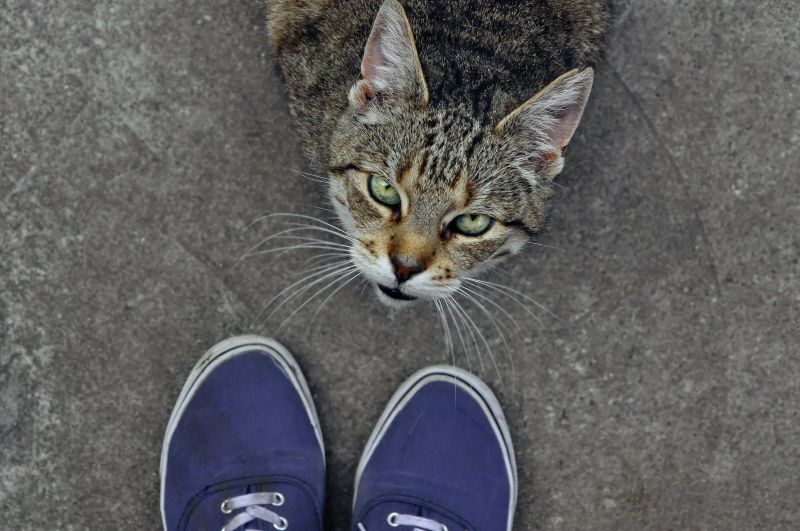
Ever noticed your cat acting weird when a new person, animal, or even a baby shows up at home?
Maybe your cat hisses, swats, or suddenly wants all your attention when you pet another animal.
Cats can show behaviors that look like jealousy, but experts aren’t totally sure they feel it like humans do.
What you see as jealousy could actually be anxiety , territorial instinct, or just plain competition for resources.
If you get what’s driving these reactions, you’ll have a better shot at helping your cat feel secure.
Your cat’s emotional life is richer than a lot of people think, but it’s still not quite like ours.
If you can spot the difference between actual jealousy and other stuff, you’ll have an easier time keeping the peace at home.
1.What Are Cat Emotions?
For cats, emotions are basically built in responses that help them deal with their world and social life.
You’ll see everything from fear and contentment to anxiety and affection.
The brain of a cat produces these emotions through neural pathways, pretty similar to ours, actually.
The limbic system handles emotional responses in cats and in people, but cats don’t have all the same brain structures we do for the really complex stuff.
Research says cats can formreal emotional bonds with their humans. They know when you’re around and react to your moods in their own way.
Your cat might get protective about you or their favorite things, and that’s probably why some behaviors look like jealousy.
Emotions help cats survive and connect. They get stressed if their routine changes, and they relax in familiar spots. These feelings shape what your cat does every day.
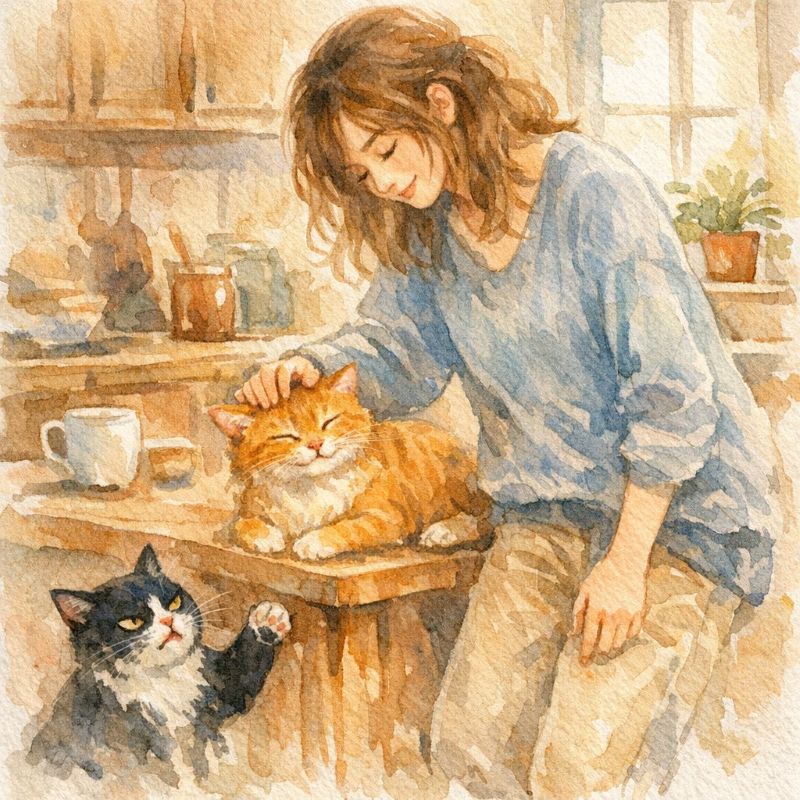
2.How Cats Express Emotions
Body language is your cat’s main way of showing how they feel.
If your cat stretches out and looks relaxed, they trust you.
If their ears are flat and their body’s low, they’re probably scared or ticked off.
Common emotional expressions include:
Tail position: Upright tail means confidence; tucked tail, fear.
Posture: Arched back shows defensiveness or excitement.
Eye contact: Slow blinks are like kitty kisses—signs of trust.
Vocalizations: Purring usually means happiness, hissing means back off.
Scent marking is another big one. When yourcat rubs their face on you or the furniture, they’re mixing comfort with communication. They’re saying, “This is mine, and I feel good here.”

3.Differences Between Cat and Human Emotions
Cats just don’t process emotions the way we do. They don’t really feel guilt or spite. They react to what’s happening now, not what happened last week.
Your cat can tell when you’re upset, but they don’t “get” it like a person would. They’re picking up on your voice, your movements, and your general vibe.
Cats don’t hold grudges. If they seem upset about something you did earlier, they’re actually reacting to what’s going on right now, maybe your tone or the energy in the room.
Key emotional differences Between Cats And Humans:
| Cats | Humans |
| Live in the present moment | Reflect on past and future |
| Express emotions through body language | Use complex verbal communication |
| Process emotions instinctively | Analyze and rationalize feelings |
Your cat’s feelings are real, but they play by different rules than ours. They form deep connections with you, just in a very cat way.
4.Do Cats Experience Jealousy?
Most research on cat jealousy looks at what cats do, not what they feel. So, it’s tough to say if cats get jealous like people do.
Cats definitely act jealous sometimes, like pushing between you and another pet or suddenly needing all your attention if they feel left out.
Scientific Perspectives on Cat Jealousy
Scientists haven’t really dug into jealousy in cats the way they have with other animal behaviors.
Most of the time, researchers watch how cats act in certain situations. They can’t really prove what the cat is feeling. Maybe your cat pushes another pet away from you, but is that jealousy? Or insecurity? Hard to say for sure.
Some experts think cats show behaviors that line up with jealousy, like seeking attention, acting aggressive toward rivals, or trying to butt in when you’re with another pet.
But cats could have different reasons for acting this way than we do.
There just isn’t enough research to give a straight answer. We know cats have emotional lives and strong bonds with their people.
Whether they actually feel jealousy, though, is still up in the air.
5.Comparing Jealousy in Cats and Other Pets
Dogs get more attention from scientists when it comes to jealousy. Studies show dogs act jealous when their owners pay attention to other dogs.
Cats do some of the same things. Both might push between you and a rival, or get needy when they sense competition. Your cat or dog could both get vocal if you pet another animal.
The main difference? Dogs are usually more obvious about it. Cats tend to be subtle, maybe quietly watching, grooming themselves, or just walking away.

6.Recognizing Signs of Jealous Behavior In Your Cat
**Extra meowing or vocalizing
**Acting aggressive toward other pets
**Following you around more than usual
**Interrupting when you’re with others
**Grooming themselves too much
**Sitting right between you and someone else
Your cat might also break from their usual routine. Maybe they eat less, avoid favorite spots, or hide more. Some get clingier than usual.
Watch for attention seeking behaviors like knocking things over, scratching up the furniture, or loud meowing, especially when you’re focused on someone or something else.
Cats figure out pretty quickly that these tricks can get your attention back.

7.Common Triggers for Jealousy in Cats
Cats act jealous when something changes in their world, especially if it threatens their attention, resources, or territory.
The biggest triggers? New household members, changes in your routine, or a shake up in their space.
Introducing New Pets or People
Bringing home a new pet is probably the top trigger for jealous cat behavior. Your cat might see the newbie as competition for your love, food, or prime nap spots.
When you add another cat or dog, your current cat might hiss, swat, or keep the new pet away from you. Some cats get extra clingy or wedge themselves between you and the new arrival.
New people, like a baby, partner, or roommate can spark the same reaction.
Your cat might act out by knocking things off counters, meowing nonstop, or boycotting the litter box.
The adjustment period usually takes 2 to 8 weeks. It’s a little bumpy, but your cat will figure out their new place in the house.
Changes in Attention or Routine
Cats love predictable routines. When your work hours shift or you’re gone more, they notice right away.
If you play less or feed them at odd times, your cat might get anxious. You’ll see more meowing, maybe some scratching, or even weird sleeping habits or skipped meals.
If you start giving more attention to someone else, your cat can get clingy or just retreat.
Some cats even pee outside the litter box or over groom to deal with the stress.
Environmental and Social Changes
Moving to a new home wipes away all your cat’s familiar scent markers. They have to claim their territory all over again.
Even rearranging furniture can throw them off. Cats use their face and paws to mark their space, so when you move stuff, you erase those markers.
Visitors can also set off jealous behaviors.
Some cats hide, others get pushy or try to steal your attention. How much your cat reacts depends on their personality and how often you have guests over.
Recognizing Jealousy Versus Other Behaviors
Not every “jealous” behavior is actually jealousy.
Sometimes it’s fear, stress, or just plain aggression. If you can tell the difference, you’ll know how to help your cat out.
Distinguishing Jealousy from Aggression
Jealous cats want your attention. They’ll squeeze in between you and another pet, meow more, or gently paw at you.
Aggressive cats look different. Their ears go flat, pupils get huge, and their tails might puff up or swish fast. Hissing, growling, or taking a swipe with claws out?
That’s aggression, not jealousy. The main thing: a jealous cat wants your love, while an aggressive cat wants to protect themselves or their turf.
Jealous behavior includes:
- Following you everywhere
- Getting between you and others
- Meowing for attention
- Acting possessive
Aggressive behavior includes:
- Defensive body postures
- Warning sounds like hissing
- Physical attacks
- Staying away, then suddenly striking
Older cats with cognitive decline also tend to seek more comfort. Territorial feelings can get mixed up with jealousy, too.
Your cat might dislike another pet because it threatens their resources, not because they’re fighting for your love. This is especially common in homes where cats compete for food, water, or litter boxes.
Does your cat have enough space, toys, and resources? Try adding more litter boxes, food bowls, and cozy spots.
If you’ve met all these needs and the behavior sticks around, maybe it’s jealousy after all.

8.How to Respond to Jealousy in Cats
When your cat acts jealous, it’s time for some positive reinforcement, a bit of home rearranging, and a lot of patience.
Promoting Positive Interactions
Change your cat’s mind about jealousy triggers by making those moments rewarding. Hand out treats or give praise when your cat stays chill around the person or pet that usually causes problems.
This way, your cat learns good things happen when they share your attention. Start small, maybe just reward them for being in the same room as the other pet.
Keep these hangouts short at first, like 5-10 minutes. As your cat relaxes, you can stretch the time a bit.
Key steps to follow:
- Reward calm behavior right away with treats or affection
- Skip the punishment—scolding will only make things worse
- Give each pet some solo attention every day
- Break out the really good treats when training
- If you have more than one cat, make sure you spend one-on-one time with each of them. Everyone wants to feel special, right?
- Even 15 minutes of focused play or cuddles can really ease jealous vibes.
Managing the Home Environment
The way you set up your home matters a lot. Each cat should have their own food bowl, water dish, litter box, and a place to sleep.
Cats relax more when they don’t have to fight for the basics. Try putting these resources in different rooms or corners.
This gives cats space to eat, drink, and use the litter box without always bumping into each other. As a rule, you’ll want one litter box per cat, plus a spare.
Add some vertical spaces – cat trees, wall shelves, whatever works. Cats love having their own lookout spots.
Set up more than one feeding station so cats can eat in peace. Some cats only eat slowly if they feel safe.
Behavioral Training Techniques
- Redirect jealous behaviors before they spiral. Look for early signs like hard staring, blocking doorways, or shadowing you everywhere.
- When you spot these, grab a toy
 or treat to distract your cat. Play sessions help burn off that extra energy, too.
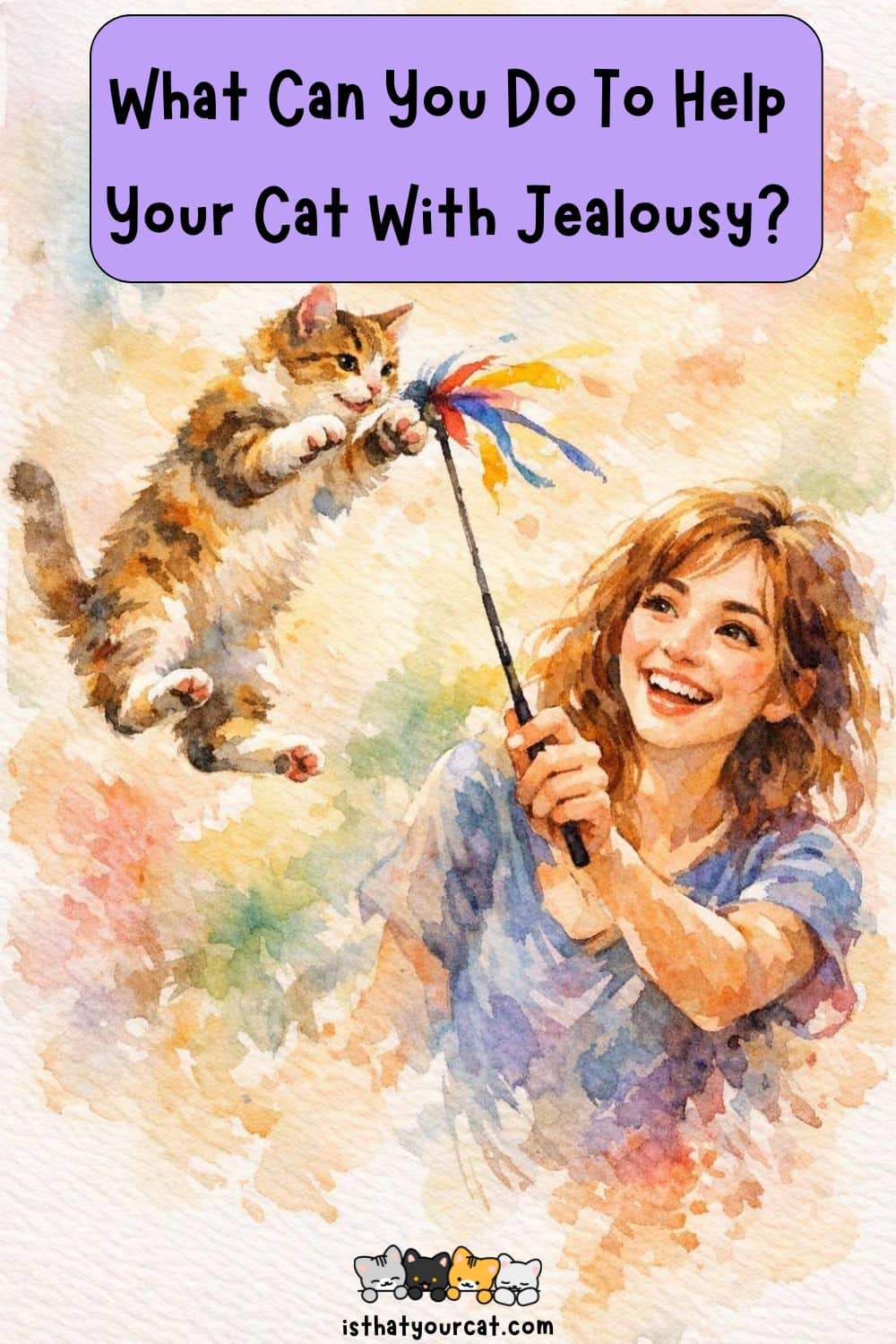
 - Try a wand toy or laser pointer for 10-15 minutes, twice a day. A tired cat is a less jealous cat.
Consulting a Veterinarian or Behaviorist
Your vet can run tests and check your cat over. If nothing medical pops up, ask for a referral to an animal behaviorist.
These experts know cat behavior inside and out, with training in biology, psychology, or zoology. A behaviorist will watch your cat, ask about your home, and suggest changes.
They use proven techniques to help with jealousy and other problems. You might get tips for adjusting routines, tweaking the environment, or adding new training exercises.
9.The Role of Socialization in Feline Emotional Health
Cats need social interaction early on to build emotional stability and healthy bonds. Socialization shapes how your cat handles stress and connects with others.
Benefits of Early Socialization
The sweet spot for socialization is between 2 and 7 weeks old. Kittens pick up social cues and emotional habits fast during this window.
If you introduce kittens to new people, animals, and places at this stage, they grow up more adaptable. Well socialized kittens don’t get as spooked in new situations.
They learn from their mom and siblings how to read body language and respect boundaries. Early play teaches impulse control and sharing, too.
Kittens also practice communication, lots of meows and pounces. All this early learning helps them handle jealousy and frustration later on.
Key socialization elements For Kittens include:
- Gentle handling by different people
- Exposure to everyday household noises
- Meet and greets with other vaccinated pets
- Getting used to grooming and basic care
10.Common Myths About Cat Feelings
Myth: Cats are completely independent and don’t care about people
Truth: Cats form strong bonds with their owners and can experience separation anxiety
Myth: Cats only act friendly when they want food
Truth: Cats seek attention and affection for emotional comfort, not just survival needs
Myth: A cat’s purr always means happiness
Truth: Cats purr when stressed, sick, or in pain as a self-soothing behavior
Myth: Cats don’t feel jealousy because they’re solitary animals
Truth: Cats can display jealous behaviors when they feel their resources or relationships are threatened
Try to create good vibes when other pets are around.
Reward calm behavior, and don’t punish your cat for acting jealous. That usually just makes things worse, honestly.
It’s clear cats have complex emotions, even if we can’t measure them perfectly. Paying attention to their behavior tells you a lot.
If you stay tuned in to your cat’s needs, you’ll build a stronger bond and (hopefully) a calmer home for everyone.