Most cat owners have thought about whether that snack in their hand is okay for the cat.
Thing is, cats process food so differently from us, what’s fine for you might not be for them.
Cats are obligate carnivores. They need meat, full stop.
While your kitchen is full of tasty things, a lot of them can actually harm your cat, but a handful are safe and even healthy if you know what you’re doing.
Here’s a rundown of safe options, proper portions, and a few feeding tips.
Key Points To Note
- Cats can eat some human foods, but you’ve got to pick carefully because their diets are very specific
- Offer safe foods in small, plain portions, no seasonings or weird extras
- Watch your cat after trying new foods, and call your vet if anything seems off
Why Cats Have Different Food Needs Than Humans
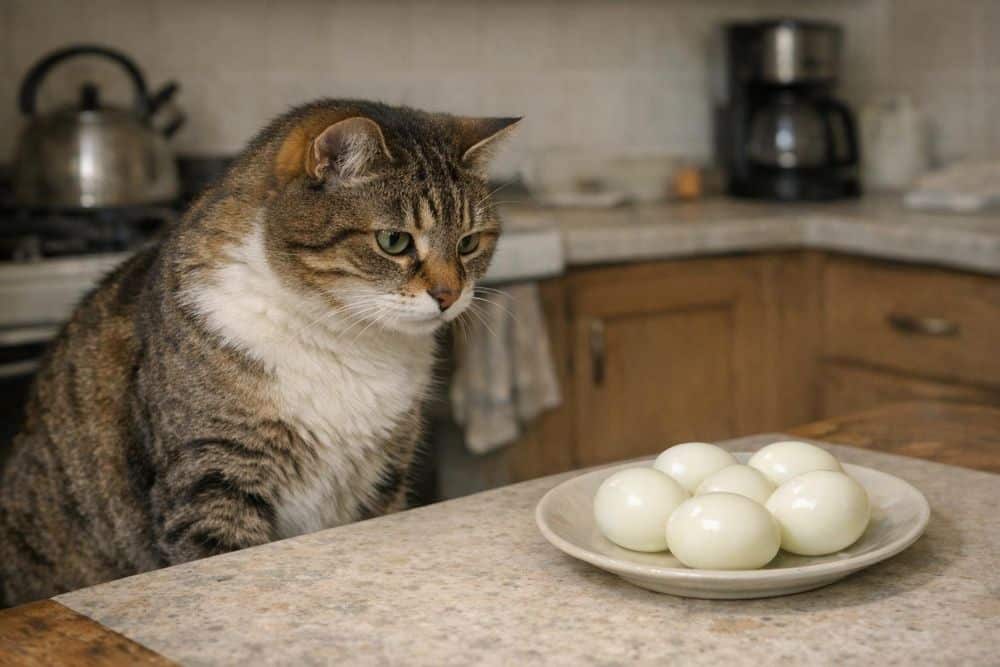
It’s tempting to let your cat taste your meal, but their bodies just aren’t built like ours. Cats must eat meat to thrive. Their digestive systems are wired for animal protein, not the stuff we eat every day.
Cats can’t handle a lot of plant based or processed foods. Even if something seems harmless to you, it might make your cat sick, or worse.
Foods From Your Kitchen That Can Harm Cats
Plenty of your usual foods are actually risky for cats. It’s important to know what to keep out of paw’s reach .
.
Never feed your cat these foods:
- Onions and garlic – They damage red blood cells and can cause anemia
- Chocolate – Theobromine and caffeine are toxic to cats
- Alcohol – Even tiny amounts mess with your cat’s nervous system
- Caffeine – Coffee, tea, soda, and energy drinks can cause rapid breathing, heart problems, and tremors
- Grapes and raisins – These can destroy kidney function
- Xylitol – This sweetener (in gum, candy, some peanut butter) can wreck your cat’s liver
- Raw dough – The yeast grows in their stomach, creating alcohol
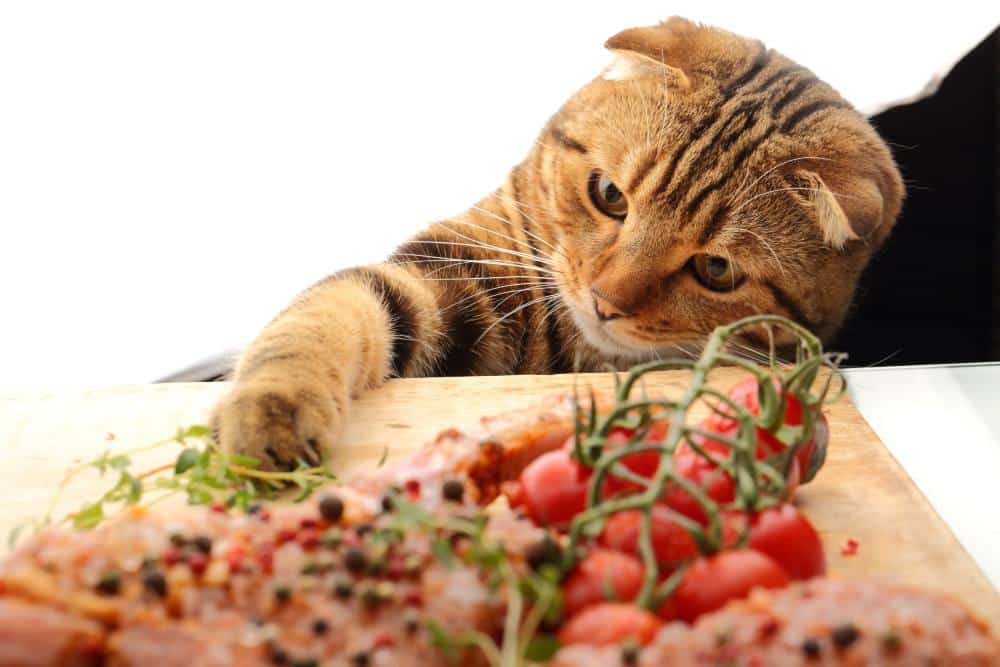
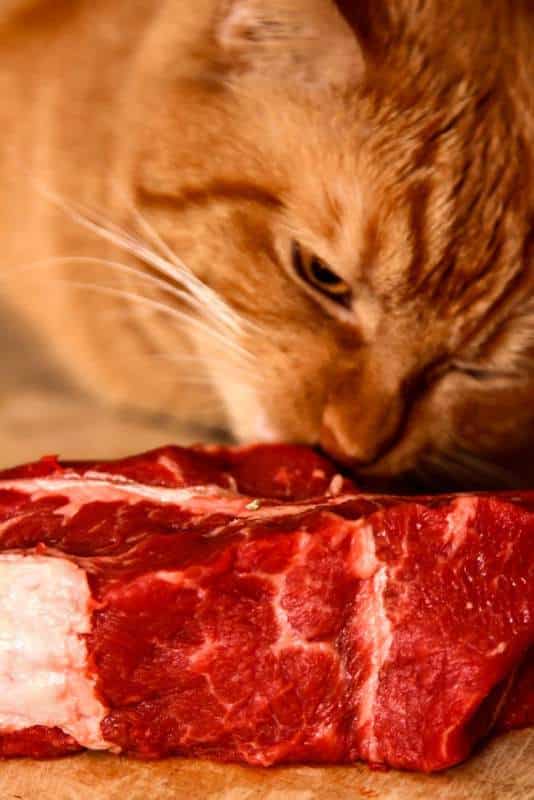
Even foods that seem healthy, like dairy, often upset cats’ stomachs. Raw meat can carry bacteria. If you’re not sure, always check first, give just a tiny bit, and keep an eye on your cat.
Can cats eat dog food? Not really. Dog food just doesn’t have what cats need.
Getting Professional Advice About Your Cat’s Diet
Every cat is a little different. Some have allergies, weight or health issues that make certain foods a no-go. Before you try something new, ask your vet, especially if you’re thinking about changing up your cat’s diet in a big way.
Your vet knows your cat’s history and can help you pick safe human foods for cats to try.
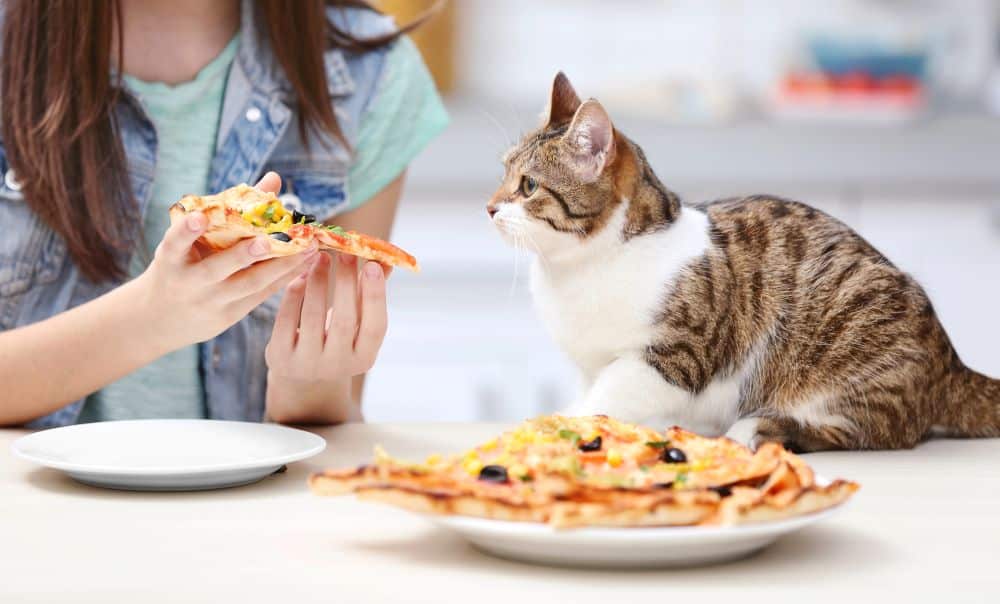
Top 15 Human Foods That Are Safe (and Healthy) for Cats
Cats can snack on certain human foods if you prepare them right. Some of these can actually be good for them. Just remember – no seasonings, sauces, or salt, and keep portions tiny.
1. Cooked Chicken
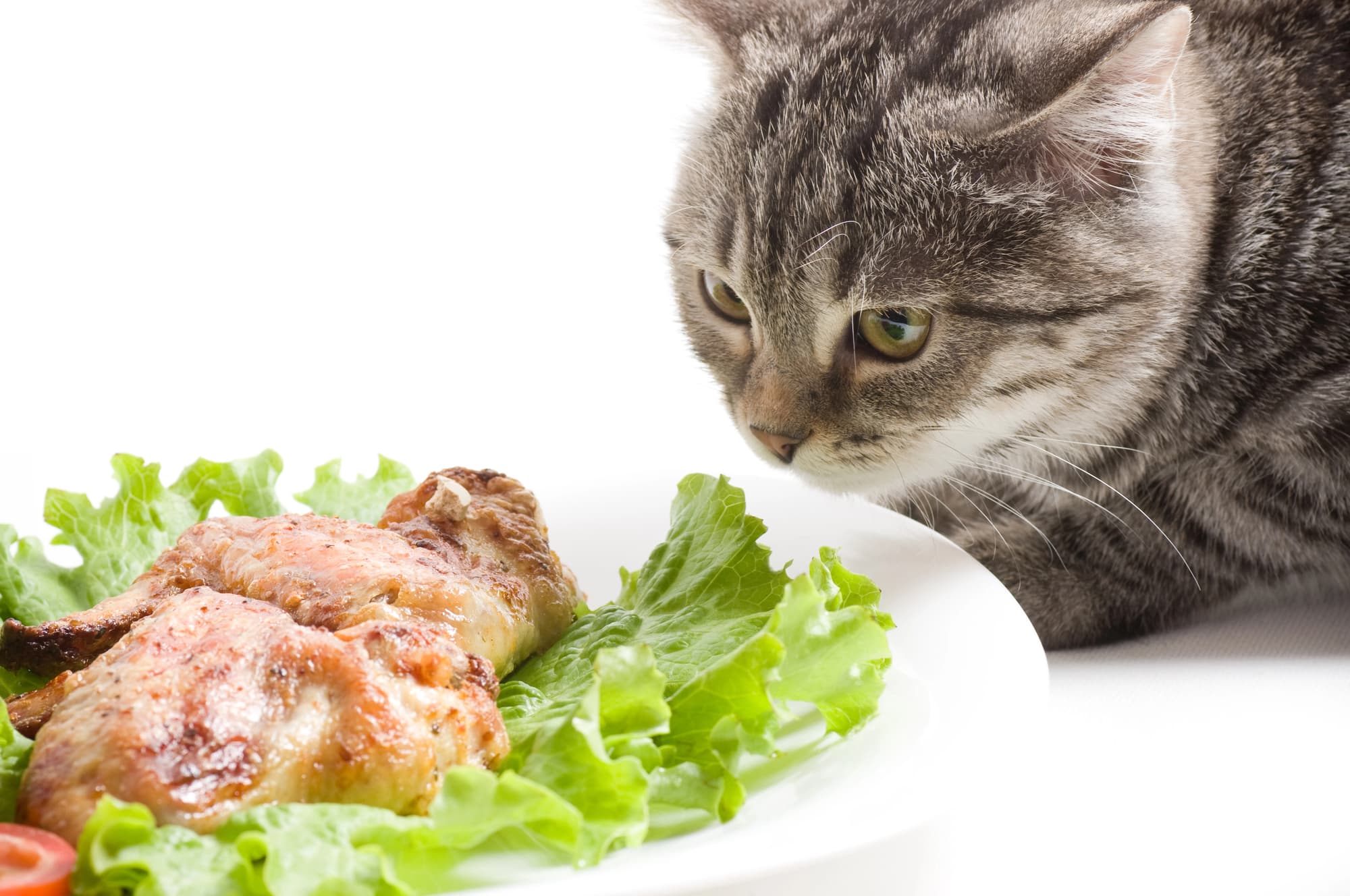
Plain chicken is a solid protein source. Bake or boil boneless, skinless chicken breast, skip the spices and oil. Cut it into small bites so your cat can chew and digest it easily.
Mix a few pieces into your cat’s food for a protein boost.
2. Salmon (Cooked Only)
Baked or grilled salmon brings omega-3s, which help your cat’s skin and fur. Always cook the fish, no oil, no butter, no spices. Never give raw or smoked salmon (raw can have parasites, smoked is way too salty).
3. Tuna (In Moderation)
Most cats go wild for tuna. Water packed canned tuna is fine in small doses, but don’t overdo it. Too much can cause mercury build up or mess with your cat’s nutrition.
4. Eggs (Cooked Only)
Scrambled or boiled eggs are easy to digest and full of protein. Cook them well—no butter, oil, or salt. Raw eggs? Nope, they can carry salmonella and mess with vitamin absorption.
5. Pumpkin (Plain and Cooked)
Plain pumpkin puree is great for digestion and helps with hairballs. Use plain canned or roasted pumpkin, no spices or sugar. It’s handy if your cat’s tummy is acting up.
6. Blueberries
Blueberries are full of antioxidants and low on calories. Feed them raw, maybe cut in half to avoid choking. Some cats might bat them around before eating, kind of cute, honestly.
Wondering can cats eat blueberries? Yep, in small amounts.
7. Cheese (In Moderation)
Tiny bits of cheddar, mozzarella, or cottage cheese can be a treat. Keep it small, lots of cats are lactose intolerant. If you see tummy trouble, skip cheese next time.
8. Carrots (Cooked)
Steamed or boiled carrots bring fiber and beta-carotene. Cook until soft so your cat can chew them. Never feed raw carrots, they’re just too hard and could cause choking.
9. Oatmeal
Cooked plain oats give energy, fiber, and B vitamins. Make it with water only, no milk or sugar. A lot of cat foods already have some oatmeal in them.
10. Watermelon (Seedless Only)
Seedless watermelon chunks help with hydration and offer vitamins A and C. Remove all rinds and seeds first, seeds can be toxic or cause blockages.
11. Rice (Plain, Cooked)
Cooked white or brown rice is gentle on upset stomachs. Vets sometimes suggest rice if your cat has digestive issues. Mix it with plain chicken for a bland meal.
12. Apples (No Seeds)
Peeled, cored, chopped apples are crunchy and full of fiber. Always ditch the seeds, they contain cyanide. The flesh is totally fine if you prep it right.
13. Green Beans
Steamed or boiled green beans are low-cal and high fiber. Cook until soft, no oil or seasonings. Great for cats who need to lose a little weight.
14. Zucchini
Steamed or cooked zucchini is hydrating and low in calories. Some cats love the texture, others just play with it. Either way, it’s a healthy addition to human foods cats can eat.
15. Peanut Butter (Very Rarely)
A tiny dab of unsweetened peanut butter can be a treat. Double check there’s no xylitol which is super toxic to pets. The sticky texture can be tough to swallow, so only offer a little, and not often.
When you’re curious about what human food cats can eat, just remember, these are treats, not meal replacements.
Smart Feeding Practices: Keeping Treats Safe and Healthy
Begin With Tiny Amounts and Watch for Reactions
Trying a new food? Start with a half teaspoon or less. Wait a day or two and keep an eye on your cat.
Watch for:
- Vomiting or diarrhea
- Extra scratching
- Weird changes in energy or behavior
If anything seems off, stop the food and call your vet if it doesn’t get better.
Keep Human Food as Special Snacks Only
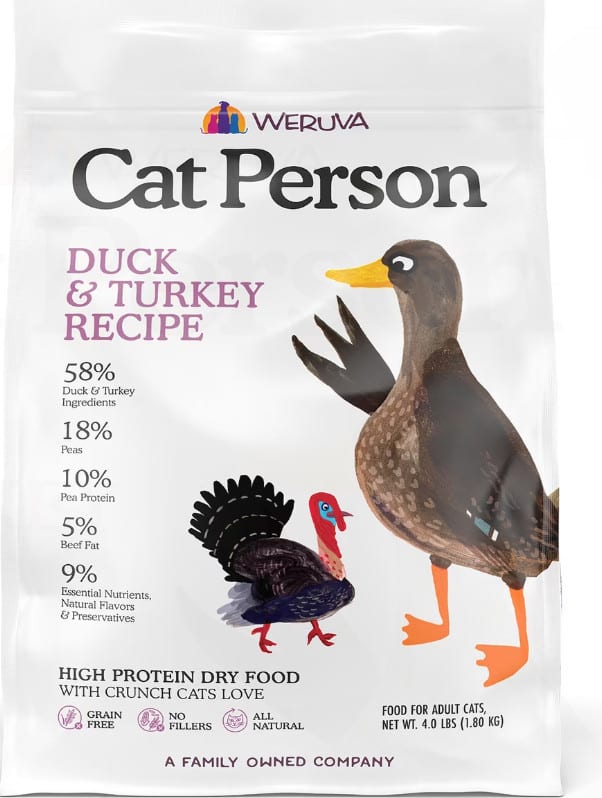
Human food shouldn’t replace your cat’s regular meals. Cats need balanced nutrition from real cat food.
Stick to the 10% treat rule: treats should be no more than 10% of daily calories. The rest? Good cat food.
Cut Food Into Small Pieces
Cats have tiny mouths and sensitive stomachs. Always cut or mash food into little, soft pieces. Big chunks or hard bits can be dangerous.
Skip All Seasonings and Extras
Cats don’t need salt, sugar, butter, oil, or spices. Even if it tastes good to you, it might hurt them. What about ice cream for cats? Well if it done the right way..
Serve human foods plain and cooked. Fruits like blueberries are fine raw, but always cook proteins.
Create Boundaries at Mealtime
Don’t feed your cat from your plate. It teaches bad habits and can make them picky.
Put treats in their usual bowl so they know where food happens.
Make Treats Work for You
You can use safe human foods for:
- Training rewards
- Hiding medicine in a tasty bite
- Mental stimulation—try freezing treats in toys
Just remember, treats are still extra calories. You can also make your own healthy cat treats. It’s not difficult. Use them with intention, not as an everyday thing.
Track What Your Cat Eats
When you’ve got a few people living under one roof, your cat might end up getting more treats than you realize. Try sticking a simple log on the fridge or kitchen counter.
Just jot down every treat your cat gets. It’s an easy way for everyone to keep tabs and avoid overfeeding without much hassle.
The idea of logging is also helpful if your cat has medication. Our cat was diabetic. We had a slip of paper stating that the cat had had his medication always placed in exactly the same place. It worked very well on those days when we were in and out of the house a lot.
When to Call Your Veterinarian
Cats can surprise you when it comes to food. One cat might handle a snack just fine, while another ends up with an upset stomach.
Things like allergies and health issues make a big difference in how your cat reacts to something new.
Look Out for These Red Flags:
Watch your cat closely after they try a new food. Some symptoms really shouldn’t wait.
If you notice any of these, call your vet right away:
- Vomiting or diarrhea that sticks around for more than a day
- Lethargy or your cat suddenly turning their nose up at their usual food
- Drooling, pawing at the mouth, or struggling to swallow
- Pain or straining in the litter box
- Breathing fast or hard or a rapid heartbeat
- Swelling in the face or paws, or hives popping up
Even a tiny bite can set off these issues in some cats. Allergic reactions or tummy trouble can show up fast.
If you spot any of these, get in touch with your vet as soon as possible. It’s better to play it safe and catch a problem early.
Worried your cat ate something toxic? You can always call the ASPCA Animal Poison Control for help. They are open 24/7.
Give Treats the Safe Way: Choose Smart Options
You can share food with your cat without putting them at risk. The trick is picking the right stuff and prepping it the right way.
Here are some guidelines to keep in mind:
Start with small amounts. Just offer your cat a tiny piece at first.
Then, keep an eye on them for the next few hours to see how they handle it.
Keep portions small. Treats should stay under 10% of your cat’s daily calories.
Honestly, too much new food tends to upset their stomachs.
Serve food plain. Skip the seasonings, oils, butter, and sauces.
Even if the main food is safe, those extras can mess with your cat.
Prepare foods properly. Cook meats all the way through and take out any bones.
Wash fruits and veggies, and chop everything into small, easy bites.
Introduce one food at a time. That way, if your cat reacts badly, you’ll know exactly which food did it.
Avoid toxic ingredients. Never give your cat onions, garlic, grapes, raisins, chocolate, or anything with xylitol. These are seriously dangerous for cats.
Check vet approved lists of safe foods before you share. If you’re not sure about something, just skip it or ask your vet.
Treats are just extras, not a replacement for balanced cat food.
Your cat really gets most of their nutrition from their usual meals.
If your cat has any health issues, check with your vet before you offer human food treats.
Some health conditions mean you need to be extra careful about diet.
Watch your cat closely after you try anything new. If you notice changes in their behavior, energy, or bathroom habits, stop giving that food right away.