Keeping your cat healthy takes more than regular cuddles and a full food bowl.
Cats often hide signs of illness, so small changes in behavior or appetite can signal bigger issues.
Early detection can save you stress and money by avoiding emergency treatments.
Recognizing Early Signs of Illness In Cats
Cats often hide pain or sickness, so small changes can be the first warning signs. You should watch for:
| Behavior Change | Possible Concern |
|---|---|
| Less appetite or thirst | Dental issues, kidney disease |
| Hiding or low activity | Pain, stress, or infection |
| Vomiting or diarrhea | Digestive problems, parasites |
| Excessive grooming or scratching | Allergies, fleas, or skin irritation |
If you notice these signs lasting more than a day or two, call your vet.
Keep an eye on litter box habits, as changes in urination or stool often signal health problems. Pretty Litter helps with identifying some cat health problems.
Table Of Contents
1. Feline Obesity and Weight Management
Extra weight can shorten your cat’s life and increase the risk of serious health problems.
Risks Associated With Obesity
When your cat carries too much weight, it puts stress on the heart, joints, and organs. Obesity can lead to diabetes, arthritis, liver disease, and urinary tract problems. Overweight cats often have less energy and may struggle to groom themselves properly.
A healthy cat should have a visible waist when viewed from above and a slight tummy tuck when viewed from the side. If you can’t easily feel your cat’s ribs, it’s time to talk to your vet about a weight plan.
Common health issues linked to obesity:
| Condition | Effect on Your Cat |
|---|---|
| Diabetes | Requires insulin and diet management |
| Arthritis | Causes pain and reduced movement |
| Liver Disease | Affects metabolism and appetite |
| Heart Problems | Increases fatigue and breathing difficulty |
Even a few extra pounds can make a big difference in your cat’s comfort and lifespan.
Healthy Diet Choices for Cats
Choose a balanced, high protein, low carbohydrate diet that supports lean muscle and steady energy. Wet food for your cat, often helps because it’s lower in calories and keeps your cat hydrated.
Avoid giving too many treats. Try making some cat treats. You will have full control of the ingredients.
If your cat needs to lose weight, gradual weight loss is safest as sudden restriction can cause liver problems, especially in overweight cats.
Encouraging Physical Activity For Your Cat
Play with toys that trigger hunting instincts, such as feather wands or laser pointers. Rotate toys often to keep your cat interested.

- 7 in 1 Modes: Scroll the gear to pick 5 red patterns(dots, smiles, mouse, stars, butterflies). The…
- USB Direct Charging: No dry batteries needed! Unplug the back cover and plug into USB port…
Set aside two or three short play sessions each day. Even 10 – 15 minutes of active play can make a big difference.
Provide climbing options like cat trees, shelves, or window perches to encourage jumping and stretching.
Puzzle feeders and treat balls also help your cat work for food, adding both exercise and mental stimulation.

- Interactive Cat Treat Puzzle: A fun and engaging cat puzzle feeder designed to stimulate natural foraging…
- Mental Stimulation for Bored Indoor Cats: Makes self play cat toys for bored indoor adult cats all the…
- Doubles as a Slow Feeder for Healthy Eating: Holds ¼ cup of cat food within 12 treat cups to encourage a…
- No Removable Parts Cat Puzzle: Built with no removable parts, this cat food puzzle is also easy to clean…

2. Common Dental Problems In Cats

Cats often develop gingivitis, periodontal disease, and tooth resorption. Yes, just the same as humans. We can’t ignore the cat’s teeth, particularly as they get older.
Gingivitis happens when plaque builds up on the gumline, causing redness and swelling.
If untreated, it can progress to periodontal disease, where the tissues and bone around the teeth break down.
Tooth resorption is another common issue. In this condition, the tooth structure erodes from the inside out, leading to pain and tooth loss. Older cats are more likely to develop it.
Other problems include broken teeth, gum inflammation, and tartar build up.
| Dental Problem | Description | Common Cause |
|---|---|---|
| Gingivitis | Gum inflammation | Plaque build up |
| Periodontal disease | Damage to gums and bone | Untreated gingivitis |
| Tooth resorption | Tooth structure breaks down | Unknown, often age-related |
Signs of Oral Health Issues
You may notice your cat eating less, dropping food, or chewing on one side of the mouth. Bad breath, drooling, and pawing at the mouth are also common signs of discomfort.
Check your cat’s mouth if possible. Look for red or swollen gums, yellow or brown tartar, and missing or loose teeth.
Cats often hide pain, so even small changes in behavior, like avoiding dry food or grooming less, can indicate dental trouble.
Preventing Dental Disease
Help prevent dental disease in your cat by brushing your cat’s teeth with a pet safe toothbrush and toothpaste several times a week. Start slowly and reward your cat for cooperation.
Consider dental treats or special dental diets that reduce plaque build up.

- #1 Veterinarian-Recommended Treat for Cat Dental Care: Feline Greenies Dental Treats for cats are the…
- Crunchy Cat Dental Treat Texture Fights Tartar: Including Greenies cat dental treats into your daily care…
- Clinically Proven Oral Care: This cat dental treat offers clinically proven oral care to help maintain…
3. Parasites and Prevention In Cats

Parasites can cause itching, weight loss, anemia, and even organ damage.
Fleas and Ticks
Fleas can trigger skin allergies and transmit tapeworms, while ticks can spread diseases like Lyme disease. You might notice scratching, hair loss, or small black specks on your cat’s skin.
Use monthly flea and tick preventives. These may include topical treatments, oral tablets, or collars.
Vacuum your home often and wash bedding in hot water to remove eggs and larvae.
If your cat goes outside, check their fur and skin after each outing. Focus on areas around the neck, ears, and tail.
| Prevention Tip | Description |
|---|---|
| Monthly treatment | Apply flea/tick medication |
| Grooming | Comb with a flea comb weekly |
| Clean environment | Wash bedding and vacuum regularly |
Intestinal Worms
The most common intestinal worms in cats are roundworms, hookworms, and tapeworms.
These parasites live in the digestive tract and can cause vomiting, diarrhea, or a swollen belly. Kittens are especially vulnerable because worms can pass from mother to offspring.
Your vet can test your cat’s stool to detect worms.
Deworming treatments are simple and effective, but you must follow the schedule your vet recommends. A simple and good strategy for prevention is to keep your cat’s litter box clean and dispose of waste daily.
Heartworm in Cats
Heartworm disease is less common in cats than in dogs, but it can be serious.
Mosquitoes spread the parasite, and even a few worms can damage your cat’s lungs and heart.
Often prevention against heartworm is included as part of the monthly spot on treatments that treat fleas and worms. You would need to check this or ask your vet for a suitable treatment.
Plus if you live in a mosquito prone area take simple precautions like keeping the cat indoors at dawn and dusk as much as possible, especially near water, bushland, or other mosquito hotspots.
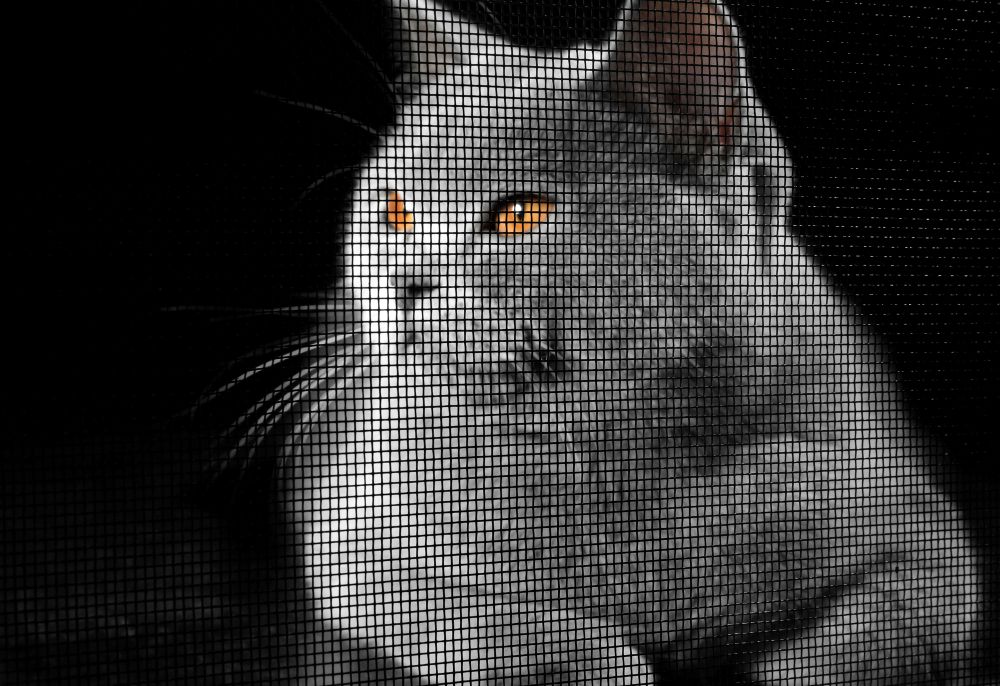
Use intact flyscreens and, where possible, fans in areas where your cat rests, as moving air makes it harder for mosquitoes to land.
Remove standing water (pot saucers, buckets, birdbaths, blocked gutters) to reduce mosquito breeding around your home.
Symptoms of heartworm, may include coughing, fatigue, or sudden collapse. Please take your cat to the vet if you have concerns.
4. Feline Lower Urinary Tract Disease
Feline Lower Urinary Tract Disease (FLUTD) affects your cat’s bladder and urethra, often causing pain and difficulty urinating.
Symptoms of Urinary Tract Issues
You may notice your cat visiting the litter box often but producing little or no urine.
Common signs are straining, crying, or showing discomfort while urinating. Some cats lick their genital area more than usual or start urinating outside the litter box.
Blood in the urine can appear as pink or red spots in the litter.
Your cat might also seem restless, hide, or lose interest in food.
Risk Factors for FLUTD
Using a litter like Pretty Litter can help you to notice changes. This link explains the health monitoring that Pretty Litter can assist with regarding FLUTD.

Several factors increase your cat’s risk of urinary problems. Obesity, low water intake, and inactivity make it harder for the bladder to flush out waste.
Male cats have narrower urethras, so they are more likely to develop blockages.
Indoor cats and those who eat mostly dry food tend to have more concentrated urine, which can lead to crystal or stone formation.
Older cats and those with other medical issues, like diabetes or kidney disease, may face a higher risk as well.
Keeping track of your cat’s habits helps you notice changes early.
Prevention Strategies
You can lower the chance of FLUTD by encouraging your cat to drink more water.
Use wet food, multiple water bowls, or cat water fountains to increase hydration. A balanced diet that supports urinary health can also help prevent crystal build up.
5. Chronic Kidney Disease in Cats
Chronic kidney disease (CKD) often develops slowly in older cats and affects how well the kidneys filter waste and balance fluids.
Early Warning Signs
Chronic Kidney Disease can be hard to notice at first because symptoms appear gradually.
You might see your cat drinking more water and urinating more often. Weight loss, poor appetite, and a dull coat are also common.
Other signs include bad breath, vomiting, and lethargy. These symptoms happen as waste builds up in the bloodstream.
If you notice these changes, schedule a vet visit. Your vet can perform blood and urine tests to measure kidney function and detect CKD early. Early treatment can slow disease progression.
Keep a simple log of your cat’s habits is a good idea and can be helpful information for the vet.

| Behavior | What to Watch For |
|---|---|
| Drinking | Frequent trips to the water bowl |
| Eating | Loss of appetite or picky eating |
| Weight | Gradual loss over weeks or months |
Dietary Management
Diet plays a big role in managing CKD. Cats with kidney issues need food that supports kidney function and reduces waste buildup.
Your vet may recommend a low protein, low-phosphorus diet. These diets help reduce strain on the kidneys. Omega-3 fatty acids can also help protect kidney tissue.
Wet food is often better than dry food because it adds moisture and helps prevent dehydration but do get advice from your vet.
Encourage your cat to drink by using a pet fountain or offering broth without salt or onion.

- Hill’s Prescription Diet k/d Kidney Care Chicken & Vegetable Stew Canned Cat Food is specially formulated…
- This wet cat food has clinically proven nutrition to improve and lengthen quality of life
- Formulated with ActivBiome+ Kidney Defense, a proprietary blend of prebiotics shown to activate the gut…
- Contains wholesome ingredients with more essential amino acids than daily requirements* to support a…
Avoid giving high sodium treats or table scraps.
Stick to foods made for kidney support, and follow your vet’s feeding plan closely.
Monitoring Kidney Health
Your vet will likely suggest bloodwork and urine tests every 3-6 months to track kidney values.
At home, watch your cat’s weight, appetite, and energy.
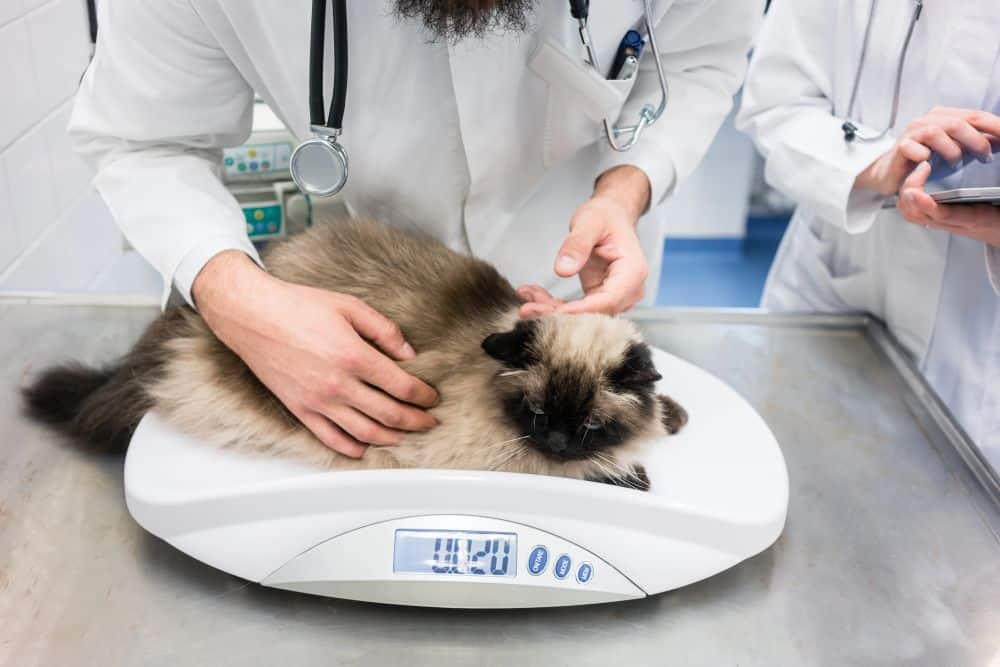
Keep your cat hydrated and comfortable. Provide easy access to clean water and a quiet resting spot.
6. Feline Diabetes
Feline diabetes happens when your cat’s body cannot properly use or make enough insulin. It can cause increased thirst, weight loss, and other health issues if not managed early.
Symptoms of Diabetes
You may first notice that your cat drinks and urinates more than usual.
Many cats also lose weight even though they eat normally or more than before. These changes happen because the body cannot use sugar for energy.
Other signs of feline diabetes include tiredness, poor coat condition, and sometimes weakness in the back legs. Some cats may develop urinary tract infections more often.
The table below shows common signs and what they might mean:
| Symptom | What It May Indicate |
|---|---|
| Increased thirst | High blood sugar levels |
| Frequent urination | Excess glucose in urine |
| Weight loss | Body using fat and muscle for fuel |
| Lethargy | Low energy from poor glucose use |
If you notice several of these signs, contact your veterinarian for testing.
Risk Factors and Causes
Feline diabetes often develops in middle-aged or older cats. Overweight cats are at higher risk because extra body fat makes insulin less effective. A sedentary lifestyle and high-carbohydrate diets can also contribute.
Certain breeds, such as Burmese cats, may be more prone to diabetes. Male cats seem to develop it more often than females. Other health problems, like pancreatitis or long-term steroid use, can raise the risk too.
Our elderly male cat developed diabetes. He was not sedentary and not overweight however he most definitely did lose weight.
Once diagnosed he was given insulin daily, his food was strictly monitored and checking in with the vet became far more frequent.
He was a garden variety tabby cat, not breed specific. Where I live we call these cats, moggies (as a term of endearment).
Preventive Measures

- High protein and low carbohydrate to help support healthy glucose levels in cats
- St/Ox Defense: This diet promotes a urinary environment unfavorable to the development of both struvite…
- High protein content to help maintain lean body mass and ideal body condition
- Contains antioxidants
Feed your cat a balanced diet with moderate protein and very low carbohydrates. Wet food often helps maintain steady blood sugar levels and supports hydration.
Encourage daily exercise through play. Short, active sessions with toys or climbing structures help control weight and improve insulin sensitivity.
Schedule regular check ups so your vet can monitor blood sugar and weight changes. If your cat is overweight, work with your vet to create a safe weight loss plan. Small, consistent steps can greatly lower your cat’s risk of diabetes.
7. Upper Respiratory Infections
Upper respiratory infections (URIs) are common in cats and often resemble a cold. They can cause sneezing, nasal discharge, and eye irritation.
Common Causes
Most feline URIs come from viruses or bacteria. The two main viral causes are feline herpesvirus (FHV-1) and feline calicivirus (FCV). These spread easily through sneezing, grooming, or shared food bowls.
Bacterial infections can also contribute. Cats in shelters, catteries, or multi cat homes face higher risk due to close contact.
Stress, poor nutrition, and other illnesses weaken your cat’s immune system, making infection more likely.
Kittens and senior cats are especially vulnerable.
Keeping vaccines up to date and limiting exposure to unknown cats helps reduce risk from these pathogens.
Recognizing Symptoms
URIs in cats often appear similar to a human cold. You might notice sneezing, runny nose, or watery eyes. Some cats develop nasal congestion that causes noisy breathing or open-mouth breathing.
Reducing Infection Risk
You can lower your cat’s risk by focusing on prevention and hygiene. Keep vaccinations current, especially for FHV-1 and FCV. These vaccines don’t always prevent infection but often make symptoms milder.
Clean food and water bowls daily, and wash bedding often. If you bring home a new cat, quarantine them for at least one week before contact with other pets.
8. Feline Infectious Diseases
Cats can catch serious viral infections that weaken their immune system and shorten their lives. These diseases spread through close contact, sharing food or water bowls, and even grooming.
Feline Leukemia Virus
Feline Leukemia Virus (FeLV) is one of the most common infectious diseases in cats. It spreads through saliva, nasal secretions, urine, and milk from infected cats. Kittens and outdoor cats face the highest risk.
FeLV weakens your cat’s immune system, making it harder to fight off infections. It can also cause anemia and certain cancers.
Your vet can diagnose FeLV with a blood test.
There is no cure, but supportive care and keeping your cat indoors can help manage symptoms.
Feline Immunodeficiency Virus
Feline Immunodeficiency Virus (FIV) works much like HIV in humans by attacking the immune system. It spreads mainly through bite wounds, so outdoor male cats that fight are most at risk.
Cats with FIV may live for years without signs of illness.
FIV cannot spread through casual contact like sharing food bowls or grooming.
Testing and neutering cats to reduce fighting lowers the chance of infection in multi-cat homes.
Vaccination and Prevention
Vaccines protect against some infectious diseases, including FeLV. Your vet can recommend a vaccination schedule based on your cat’s age, health, and lifestyle.
Keep your cat indoors to limit contact with strays. Quarantine new cats until they test negative for FeLV and FIV.
Clean food and water bowls often, and avoid sharing items between cats of unknown health status.
9. Skin Conditions and Allergies
Your cat’s skin can reveal a lot about their health. Itching, redness, or hair loss often point to allergies, parasites, or infections.
Identifying Skin Problems
You can often spot skin issues by watching for scratching, excessive grooming, or bald spots. Scabs, flaky skin, or small bumps may also appear.
Cats with skin discomfort might lick one area repeatedly, leading to sores or thinning fur.
Common causes include fleas, mites, fungal infections like ringworm, and bacterial infections.
Allergies to food or the environment can also irritate the skin.
To check your cat, part their fur and look for redness, scabs, or flea dirt (tiny black specks).
If you notice open wounds, swelling, or a bad odor, contact your vet. A skin scrape or allergy test may be needed to find the cause.
Keeping track of symptoms and when they appear helps your vet diagnose the problem faster.
Common Allergens for Cats
Cats can react to many things in their surroundings. The most frequent triggers include:
| Type | Common Examples |
|---|---|
| Parasites | Flea bites, mites |
| Food | Chicken, beef, dairy, fish |
| Environmental | Pollen, mold, dust, cleaning products |
| Contact | Certain shampoos, fabrics, or plastic bowls |
Flea allergy dermatitis is one of the most common skin allergies. Even a single flea bite can cause intense itching.
Food allergies often lead to chronic scratching around the head or neck.
Environmental allergens may cause seasonal flare-ups, especially in spring or fall. If your cat sneezes or scratches more during certain times of year, allergens in the air may be the cause.
Preventing Skin Issues
You can reduce skin problems by keeping your cat’s environment clean and parasite-free. Use vet-approved flea prevention year-round, even for indoor cats.
Feed a balanced diet with quality protein and omega-3 fatty acids to support skin health. Avoid frequent diet changes unless advised by your vet.
Brush your cat regularly to remove loose fur and check for skin changes early. Wash bedding and vacuum often to lower dust and pollen exposure.
If your cat has known allergies, limit contact with triggers. For example, use unscented cleaning products and stainless steel bowls instead of plastic.
Regular vet visits help catch small issues before they become serious.
10. Arthritis and Mobility Issues
Arthritis often affects older cats but can appear in younger cats too. It causes joint pain, stiffness, and reduced movement, making daily activities harder.
Signs of Joint Pain
Cats hide pain well, so you may need to watch for subtle changes.
You might notice your cat jumping less, hesitating to climb stairs, or avoiding high places. Limping, stiffness after rest, or changes in grooming habits can also signal joint pain.
Behavioral shifts are common. Your cat may sleep more, seem irritable when touched, or stop using the litter box if it’s hard to reach.
Here are some common physical signs:
| Sign | What It May Mean |
|---|---|
| Decreased jumping | Hip or knee discomfort |
| Limping or stiffness | Joint inflammation |
| Overgrown nails | Less activity and movement |
| Matted fur on back or hips | Difficulty grooming |
Supporting Joint Health
Your cat’s comfort improves with a mix of medical care and home adjustments.
A vet may suggest joint supplements like glucosamine or omega-3 fatty acids to reduce inflammation.

- Joint Health Supplement for Cats – Cosequin is the #1 veterinarian recommended retail joint health…
- Contains Glucosamine for Cats – Cosequin contains glucosamine hydrochloride (FCHG49) and sodium…
- Tasty Chews for Daily Use – Cosequin comes in a tasty soft chew, making daily administration easy and…
- With Omega-3s – Each soft chew contains omega-3 fatty acids, which help support your cat’s skin and…
Pain relief or anti-inflammatory medications can also help when prescribed.
Make your home easier to navigate. Provide soft bedding, low-entry litter boxes, and ramps to favorite spots.
Keep food and water in easily reachable areas.

- Thoughtful 3.15in Low Entry Design – Each litter box features a 3.15″ low front entry, making it easy…
- High-Sided Anti-Splash Protection – Raised sides and back effectively block litter scatter and urine…
- 4 Sizes for Every Cat Family – Available in four sizes from 17.5″ × 13.6″ × 5.9″ up to…
- Premium Stainless Steel Construction – Built with durable, odor-resistant stainless steel that…

- DIMENSIONS AND SIZE OPTIONS; 3 step dog stairs with height 13.6 inches for couches up to 15 inches…
- SUITABLE FOR SMALL DOGS AND CATS; designed for puppies kittens and older pets with limited mobility…
- ANTI SLIP SAFETY DESIGN; bottom with rubber dot non slip surface increases friction; provides stability…
- EASY TO CLEAN MATERIAL; removable soft cover with zipper; hand wash or machine wash cover only; foam core…

Last update on 2026-03-31 / Affiliate links / Images from Amazon Product Advertising API