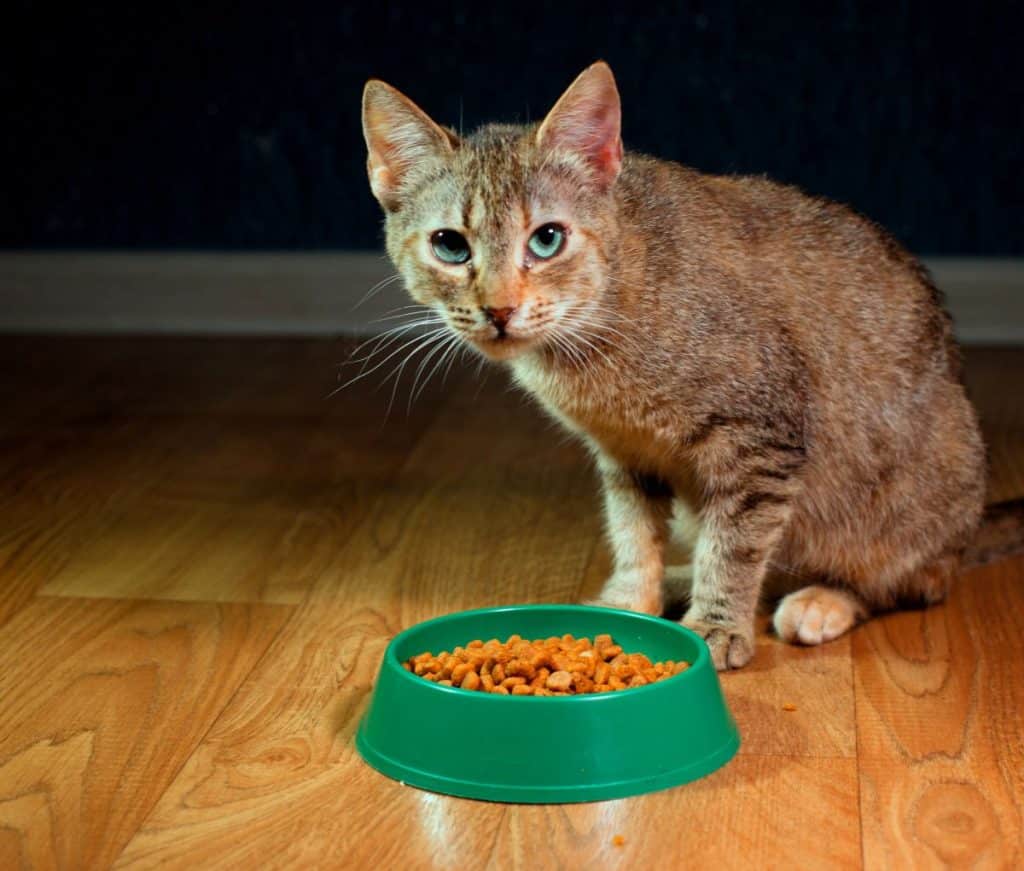
A white cat’s stunning appearance makes them stand out. White cats need extra care compared to cats with darker coats.
White cats require special attention for sun protection, regular grooming, and monitoring for hearing issues that are more common in their genetics.
Their light coloured fur shows dirt easily , and their pale skin can burn in the sun.
Many white cats also have a higher chance of being born deaf, especially those with blue eyes.
Key Takeaways
- White cats need sun protection and regular grooming to keep their coat and skin healthy
- Many white cats are born deaf, especially those with blue eyes, so you need to create a safe environment
- Regular vet visits help catch health issues early since white cats have specific genetic risks
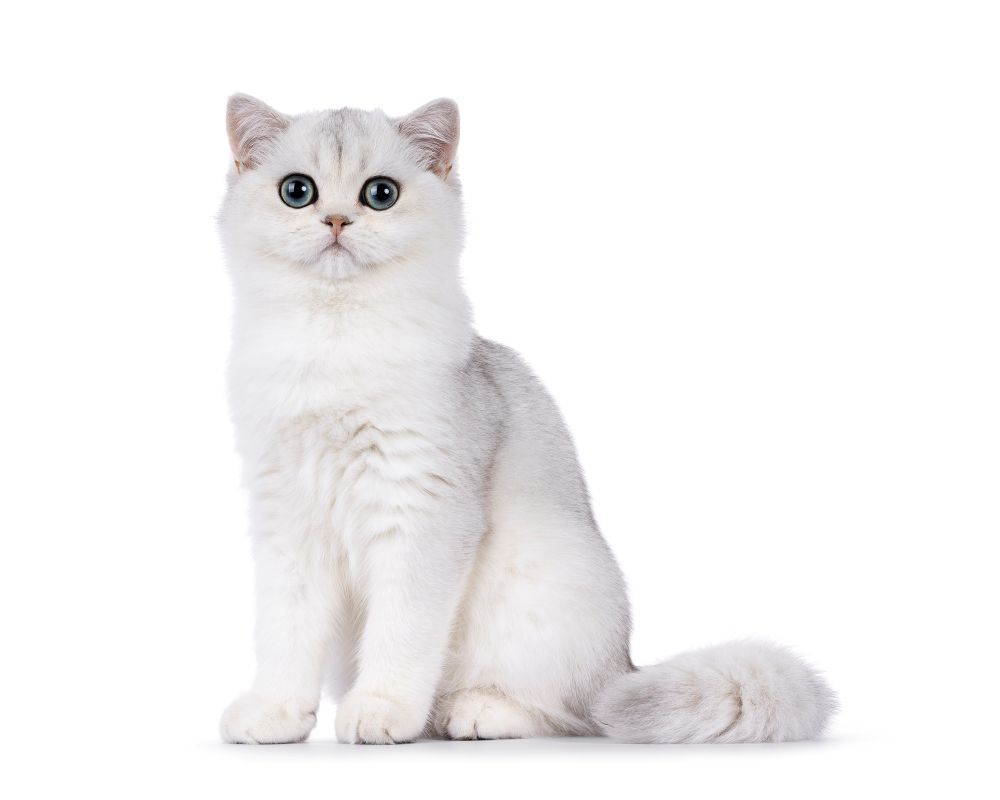
Table Of Contents
1. White Cats Have Special Genes
White cats have special genes that make them different from other cats.
These genes in white cats can affect their hearing and eyesight in ways you should know about.
Genetic Traits Specific to White Cats
The W gene is what makes cats white. The W gene is dominant, so it covers up other color genes in cats.
When a cat has the W gene, it stops melanocytes from working. Melanocytes are cells that make color in fur, skin, and eyes.
Not all white cats are the same. Some cats are white because of the W gene, while others might be albino cats.
Albino cats have a genetic problem that affects all their color. True white cats from the W gene are more common than albino cats.
Hearing and Vision Considerations
Many white cats with blue eyes can be deaf.
About 65-85% of white cats with two blue eyes have hearing problems.
White cats with one blue eye might be deaf on that side only.
White cats with different colored eyes often have partial hearing loss. The deaf ear is usually on the same side as the blue eye.
Supporting Deaf or Hard of Hearing Cats
Deaf cats can still live happy lives with a little extra support. Keep them indoors, since they can’t hear cars or other dangers outside.
Use visual cues instead of voice commands. Wave your hand, flick the lights, or use a flashlight to get their attention. Most deaf cats pick up on hand signals pretty quickly.
Safety tips for deaf cats:
- Approach from the front so you don’t startle them
- Stomp on the floor to create vibrations they’ll notice
- Stick to routines they can predict
- Keep them away from busy or risky areas
2. Eye Care For White Cats
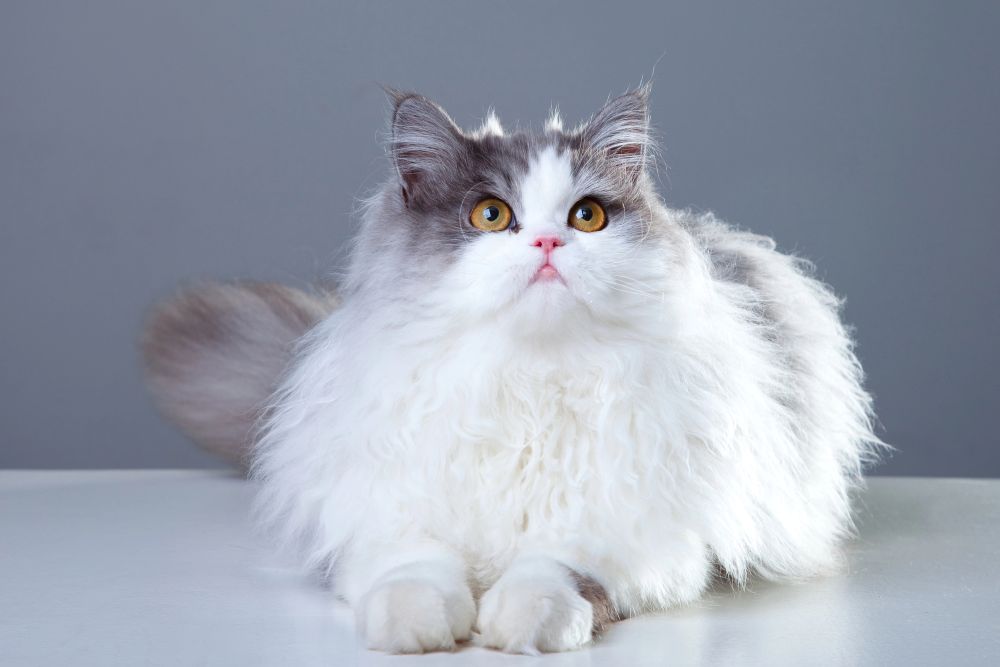
White cats need special eye care because their light fur shows tear stains easily.
You should clean around their eyes regularly and watch for any signs of problems.
Cleaning Tear Stains In White Cats
White cats get brown or reddish stains under their eyes more than other cats. These stains show up clearly on their white fur.
Clean your cat’s eyes every few days with a damp cloth. Use warm water or saline solution made for pets.
Cleaning steps To Clean Tear Stains In White Cats:
- Gently wipe from the inner corner outward
- Use a fresh cloth section for each eye
- Never wipe back toward the eye
- Dry the area completely when done
Some white cats need daily cleaning of tear stains if they tear a lot. This helps prevent stains from setting in.
You can buy special wipes made for pet eye cleaning. These work well for quick daily touch-ups.
Monitoring for Eye Issues In White Cats
White cats tend to have more eye problems than most other cats. Blue eyed white cats especially seem extra sensitive to bright light.
Every week, check your cat’s eyes in good light. Look for any discharge, redness, or swelling.
Warning signs to watch for:
- Yellow or green discharge
- Cloudy or hazy eyes
- Squinting or pawing at eyes
- Red, swollen eyelids
- Third eyelid showing
If you spot any of these, call your vet right away. Eye problems can get worse fast if you leave them untreated.
Keep your white cat out of harsh sunlight to help protect their sensitive eyes from damage.
Some white cats develop eye issues later in life.
3. Coat Care for White Cats
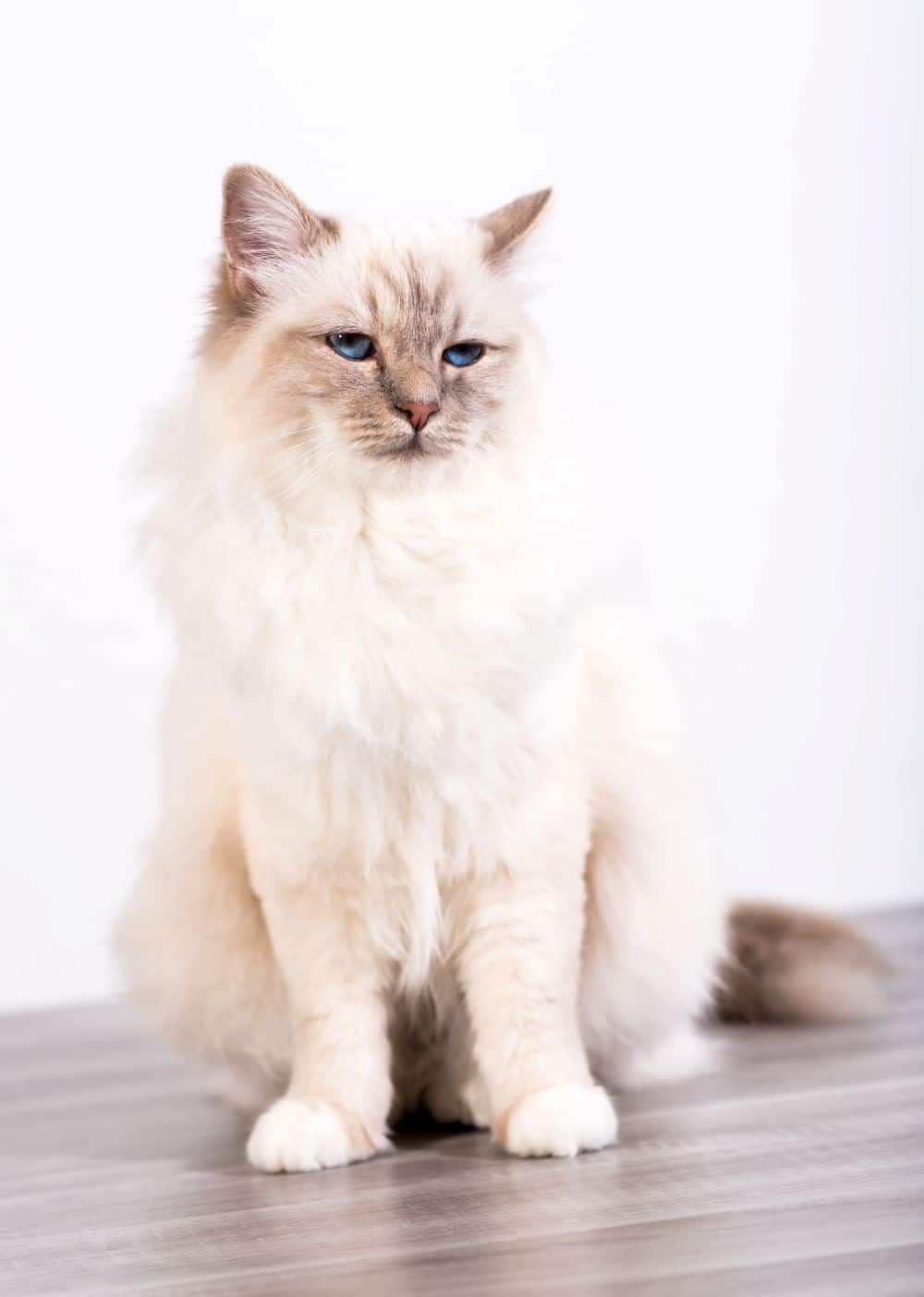
The light colored coats of white cats show dirt, stains, and yellowing more easily than darker fur.
Preventing Stains and Yellowing In The Fur Of White Cats
White cat fur can turn yellow or develop stains quite easily. Food bowls, litter boxes, and outdoor dirt are common culprits that can discolour your white cat’s coat.
Switch to stainless steel or ceramic food bowls instead of plastic ones when feeding your white cat. Plastic bowls can cause yellowing around your cat’s mouth and chin area over time.
Let’s face it, we are steering away using from plastic feeding bowls, stainless steel cat food bowls are better. I don’t know about you but I use stainless steel bowls in the kitchen for all sorts of things, they are easy to get really clean.
Keep your white cat’s face clean after meals. Wipe around their mouth with a damp cloth to remove any food residue before it stains the fur.
Monitor tear staining around the eyes of white cats (as described above).
Change your white cat’s litter frequently. Dirty litter can transfer onto your cat’s paws and legs, causing brown or gray stains on white fur. This just isn’t a good look on white cats.
Try to keep your white cat indoors. Dirt, grass stains, and tree sap can quickly discolour white fur and are harder to remove than prevent.
Effective Grooming Techniques For White Cats
Brush your white cat daily, to prevent mats and distribute natural oils through their coat. This keeps the fur healthy and reduces the need for frequent baths.
Use a metal comb for longer haired white cats and a soft bristle brush for short haired breeds. Start brushing gently at the head and work toward the tail.
Pay extra attention to areas that mat easily. Focus on the chest, belly, and behind the legs of the cat, where tangles form most often.
White cat hair shows up easily on dark furniture and clothing. Daily brushing reduces shedding of cat hair by removing loose fur before it falls around your home.
Never use human shampoo when bathing your white cat. Products meant for humans can damage their skin and coat of a cat, making the fur look dull or cause irritation.
Brush before bathing your white cat, remove loose fur and prevent drain clogs. Wet cat hair mats become tighter and harder to remove, so always brush first, before bathing.
Check for cat fleas during grooming sessions. Dark flea dirt shows up clearly against white fur, making it easier to spot infestations early.
Best Shampoos and Products for White Fur
Choose whitening shampoos made specifically for cats to maintain brightness without harsh chemicals. These products help remove yellowing and enhance the natural white color of your cat’s fur.
Look for shampoos with gentle ingredients like oatmeal or aloe vera. These soothe sensitive skin while cleaning effectively without stripping natural oils.
Dry shampoos work well between baths for spot cleaning small stains. Sprinkle the powder on dirty areas, work it through the fur, then brush it out completely.
| Product Type | Best For | Frequency |
|---|---|---|
| Whitening shampoo | Full body cleaning | Monthly |
| Dry shampoo | Spot cleaning | As needed |
| Tear stain remover | Eye area | Daily |
Avoid products with strong fragrances or dyes. These can irritate your cat’s skin and may cause allergic reactions in sensitive cats.
4. Skin Health and Sun Protection For White Cats
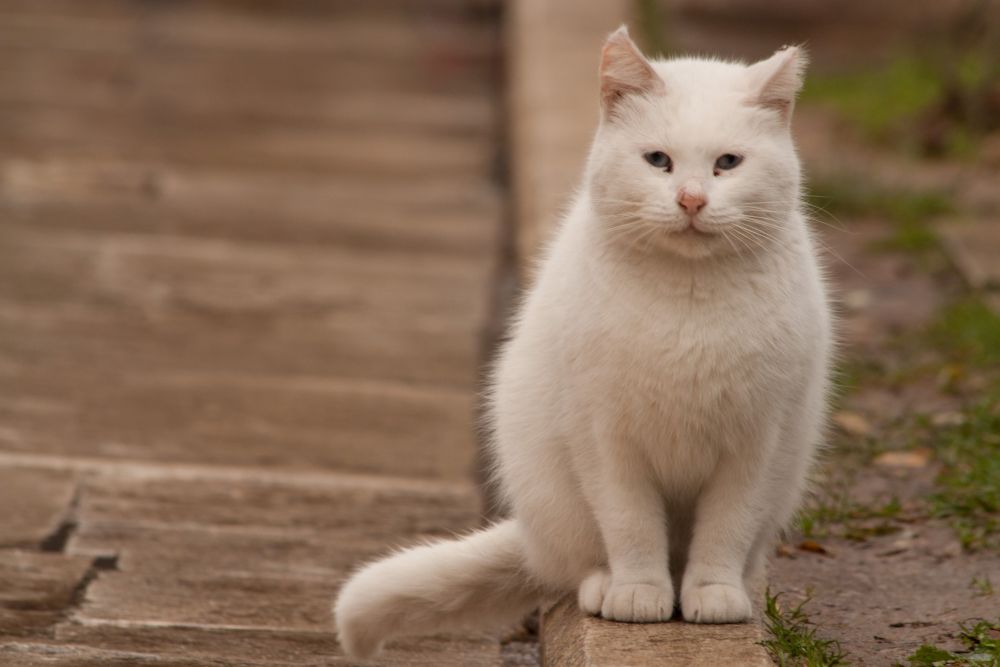
White cats face higher risks of sunburn and skin cancer due to their lack of protective melanin. You need to use pet-safe sunscreen and limit sun exposure to keep your cat’s skin healthy. Take steps to keep your cat as cool as possible in hot weather.
Risks of Sunburn in White Cats
White cats have very little melanin in their skin. This pigment normally protects against harmful sun rays.
Without enough melanin, your white cat can get sunburned easily. The ears and nose are the most at risk because they have less fur coverage.
Sunburn in cats looks like red, irritated skin. You might notice your cat’s ears or nose becoming pink or red after time in the sun.
Most vulnerable areas for sunburn in cats
- Ear tips
- Nose bridge
- Areas with thin fur
- Any hairless patches
Repeated sunburn can lead to more serious problems. Your cat’s skin may become thick and crusty over time.
Some white cats are more sensitive than others. Cats that spend lots of time by windows or outdoors face the highest risk.
Preventing Skin Cancer In White Cats
Skin cancer is a real danger for white cats. Too much sun exposure over time can cause cancer to develop.
The ears and nose are common spots for skin cancer in white cats. Look for sores that don’t heal or unusual bumps on these areas.
Warning signs to watch for:
- Sores that won’t heal
- Crusty patches on ears or nose
- New lumps or bumps
- Bleeding spots
- Changes in skin color
You should check your cat’s skin regularly. Feel for any new lumps during petting time.
Keep your white cat indoors during peak sun hours. This is usually between 10 AM and 4 PM when the sun is strongest.
Create shaded areas if your cat goes outside. Trees, covered porches, or cat shelters work well.
Safe Sunscreen Solutions
Only use sunscreen made for pets on your white cat. Human sunscreen can be toxic to cats if they lick it off.
Apply sunscreen to your cat’s ears and nose before sun exposure. These areas need the most protection.
Safe Sunscreen application tips For White Cats:
- Use zinc oxide-free formulas
- Apply 15 minutes before going outside
- Reapply every few hours
- Focus on ears, nose, and thin-fur areas
Some cats don’t like sunscreen being applied. Start with small amounts to help your cat get used to it.
You can also use protective clothing made for cats. Sun shirts or hats designed for pets offer good coverage.
Consider UV-blocking window film for your home. This protects cats who like to sunbathe by windows indoors.

- Dogs and cats can get sun burn – Pets with light fur color are most vulnerable. Simply massage sunscreen…
- Formulated safe for pets – NO zinc oxide, safe ingredients that protect your pet, including octinoxate…
- 🇺🇸 Made in USA – At our state of the art facility in the heart of Pennsylvania
- Easy application – Non aerosol spray makes it super easy to apply via. your hand or directly on your…
5. Diet and Nutrition For White Cats
Good nutrition keeps your white cat’s coat bright and healthy. Proper hydration matters too, especially for that beautiful white fur.
Foods Beneficial for White Cat Coats
Protein rich foods are key for a healthy white coat. Look for high quality animal proteins like chicken, fish, or turkey.
Find cat foods with omega-3 fatty acids. These make fur shinier and softer. Salmon and sardines are both great choices.
Vitamin E helps shield your white cat’s skin and keeps white fur from yellowing. Quality commercial cat foods usually have it.
Biotin and zinc support healthy fur growth. Most complete cat foods already include these, but your vet can suggest supplements if you need them.
| Key Nutrients | Benefits for White Coats | Food Sources |
|---|---|---|
| Omega-3 fatty acids | Shiny, soft fur | Fish, fish oil |
| Vitamin E | Prevents yellowing | Quality cat food |
| Protein | Strong, healthy fur | Chicken, turkey, fish |
Skip foods with artificial colors. They can stain white fur over time.
6. Managing Allergies and Sensitivities In White Cats
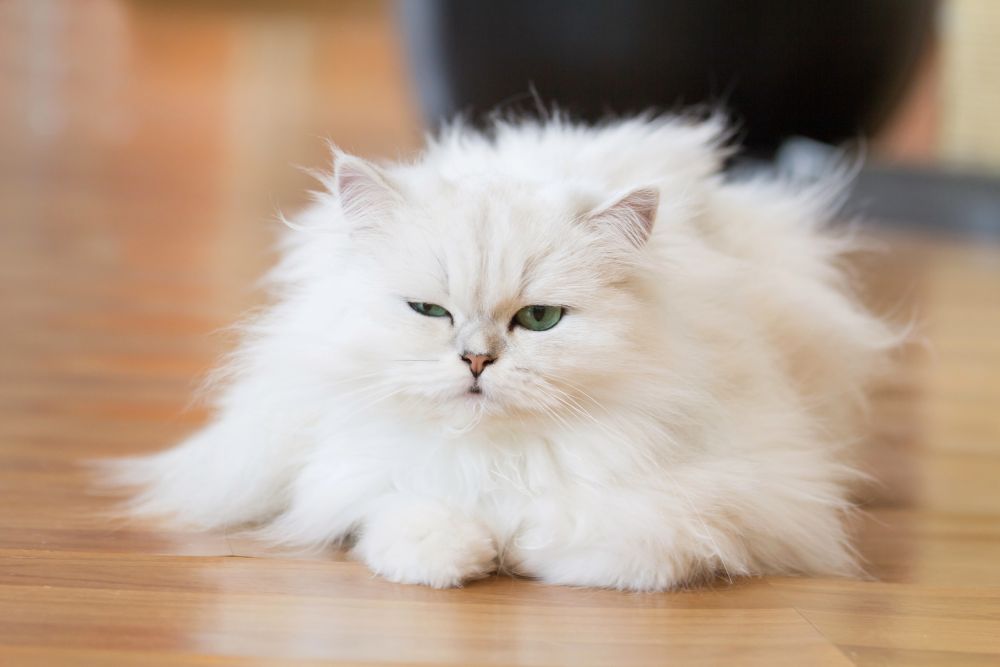
White cats can get skin allergies and sensitivities more easily than darker cats. Their delicate skin needs extra care. Spotting allergic reactions early and using gentle products keeps your white cat more comfortable.
Recognizing Allergic Reactions
Pale skin makes it easier to see allergic reactions. Watch for red spots, bumps, or rashes.
Common signs Of A Cat Allergy In A White Cat include:
- Lots of scratching or licking
- Red or irritated patches
- Hair loss in certain spots
- Watery eyes or a runny nose
Notice if your cat eats less or seems uncomfortable after meals. Allergies sometimes show up that way.
If symptoms only pop up during certain seasons, your cat might have environmental allergies.
Areas to check often:
- Behind the ears
- Under the chin
- Belly and inner legs
- Around the eyes and nose
Contact your vet if you see these signs. Early treatment keeps things from getting worse.

7. DIY To remove stains from a white cat’s fur
Stick with pet safe stain removers that are made just for cats. Seriously, don’t grab bleach or any human cleaning products. They’re not safe for your cat’s fur.

- FOR WHITE DOGS & CATS – Veterinary Formula Solutions Snow White Shampoo is specially formulated…
- LONG LASTING FRAGRANCE – The exceptional long-lasting blue coral citrus fragrance of this pet…
- NO BLEACH OR PEROXIDE – This white dog shampoo contains no bleach or peroxide that might irritate…
- SAFE FOR DOGS, CATS AND HORSES – Snow White shampoo is pH balanced for your pet’s sensitive…

Corn-starch actually does a nice job on small grease stains. Just sprinkle some on the spot, wait about 15 minutes, and then gently brush it out.
If you’re dealing with a stubborn stain, you can mix up a simple paste with baking soda and water. Gently apply it, let it sit a few minutes, and then rinse with warm water.
This helps absorb oils or dirt but avoid getting it in eyes or mouth.
Mix a small amount of mild, unscented baby shampoo or cat shampoo with warm water. Dampen a cloth with the solution and gently clean the stain.
Rinse the cloth and wipe the area again with plain water to remove soap residue. Dry gently with a towel.

Last update on 2026-04-09 / Affiliate links / Images from Amazon Product Advertising API