White cats have fascinated people for thousands of years.
The rare beauty and striking looks of white cats have turned them into symbols of purity, good luck, and spiritual power in many societies.
These snowy felines pop up in ancient myths, religious stories, and traditions all over the world.
Throughout history, people have seen white cats as everything from divine messengers and temple guardians to symbols of prosperity and transformation.
Did you know that only about five percent of all cats are pure white.
That rarity, paired with their eye catching white coat, gives them a mystical vibe that’s tough to ignore.
From Norse goddesses riding chariots pulled by white cats to Japanese legends about lucky felines, these animals have shaped ideas about luck, spirituality, and beauty.
Key Takeaways
- White cats
 have symbolized purity, good fortune, and spiritual power across many cultures throughout history
 - These rare felines appear in ancient myths and religious traditions from Norse mythology to Asian temple lore
- White cats remain culturally significant today due to their unique genetics, striking appearance, and historical symbolism
Symbolism and Meaning of White Cats
White cats carry powerful symbolic meanings that span cultures and centuries. The bright coats of white cats have led people to connect them with purity, good luck, and spiritual guidance.
Purity and Innocence in Global Beliefs
People often see white cats as pure and innocent, thanks to their spotless coats. Their appearance feels like a clean slate or a fresh start in spiritual traditions.
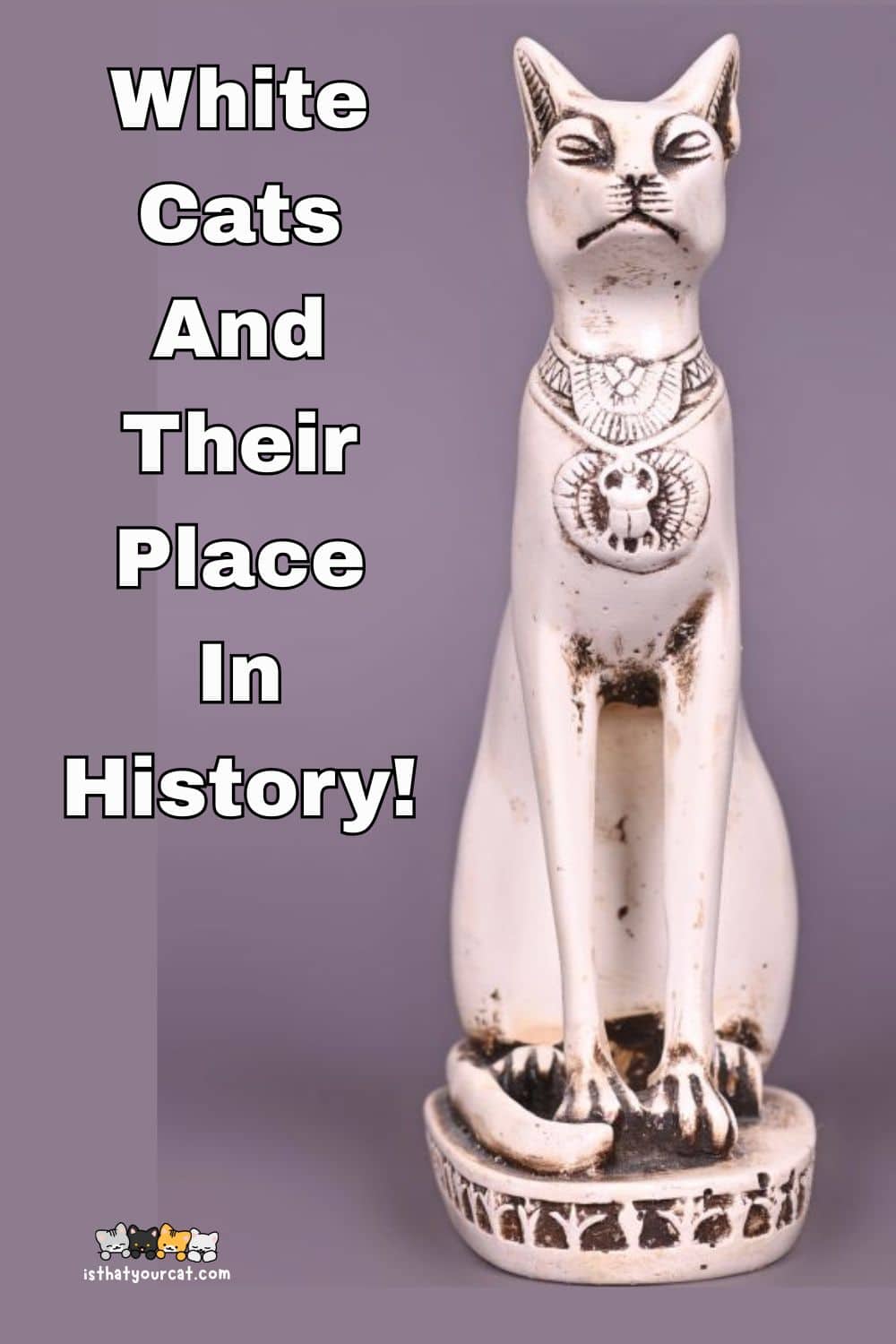
Many cultures treat white animals as symbols of light and clarity. In ancient Egypt, white cats held sacred status and connected to the goddess Bastet.
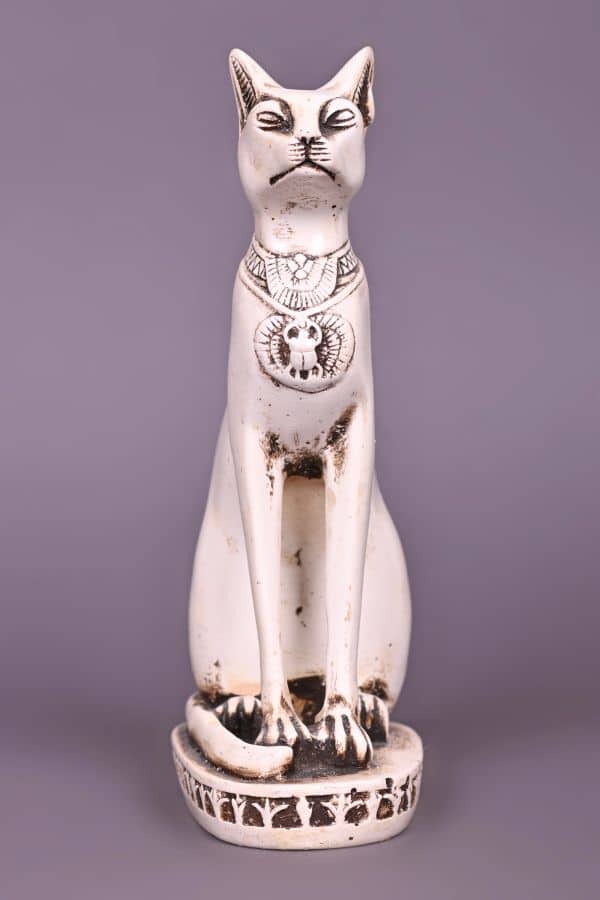
Egyptians saw these cats as pure beings who deserved protection and respect.
Egyptians even made it illegal to harm cats, which tells you how much they valued them.
Some spiritual beliefs treat white cats as symbols of virtue and simplicity. Their coloring gives off a sense of freedom from darkness or negativity.
White Cats And Associations with Luck and Prosperity
White cats bring good luck in a bunch of traditions.
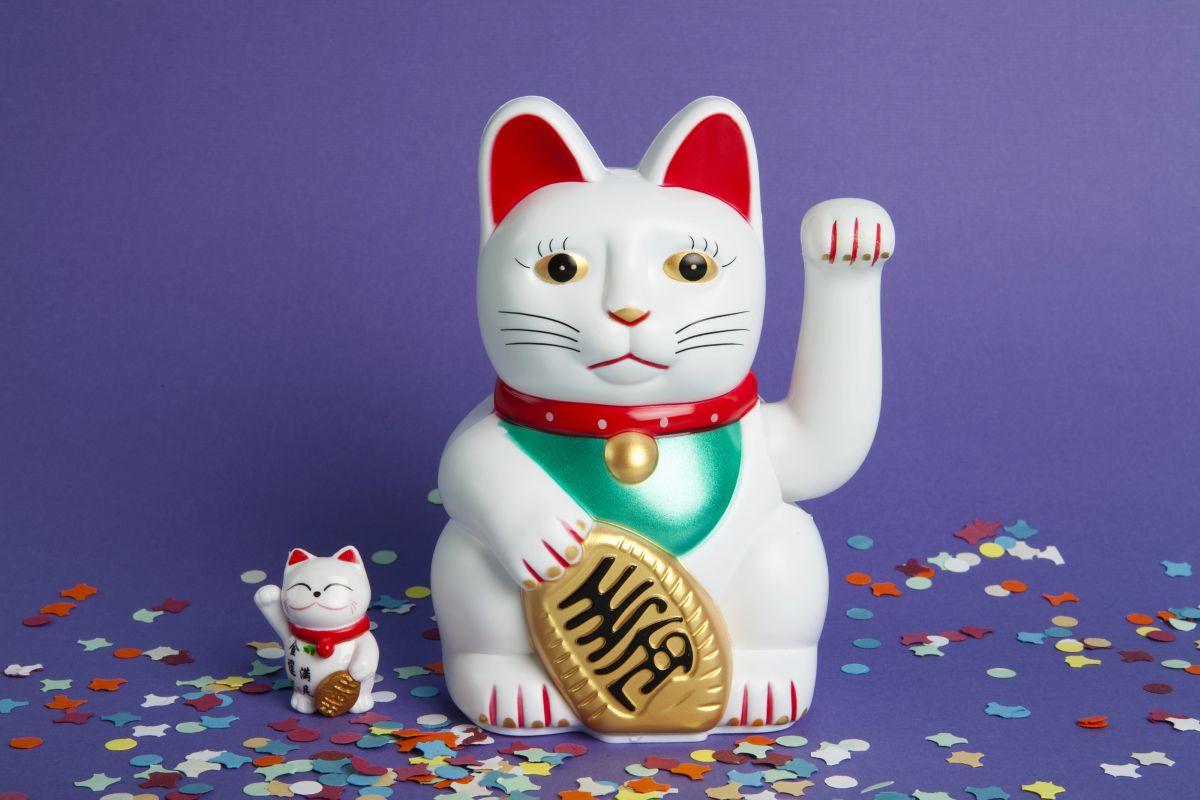
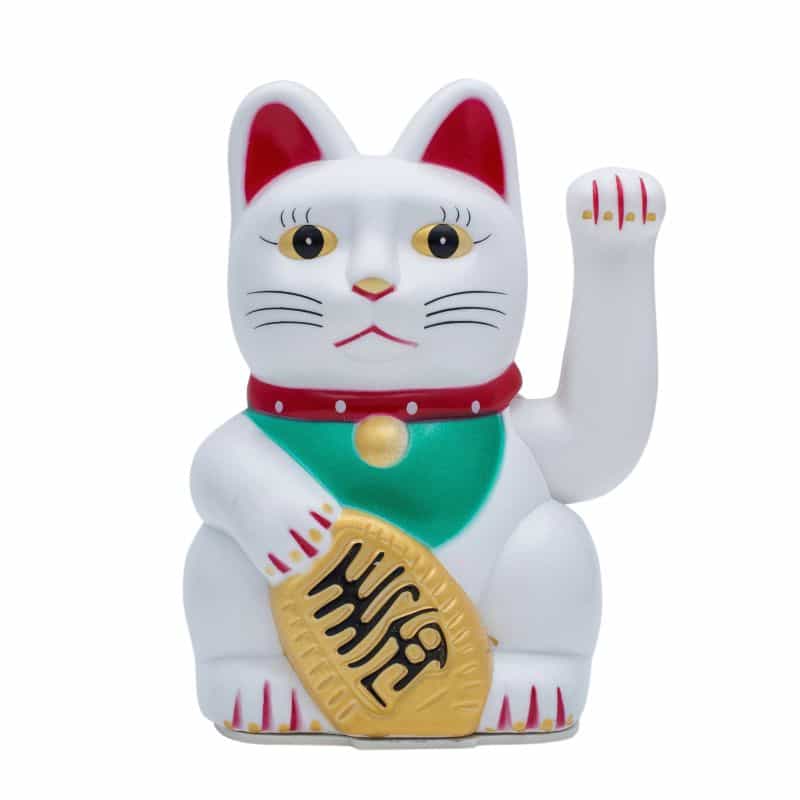
In Japan, the Maneki-neko, that little beckoning cat statue, often comes in white to represent happiness and prosperity.
People put these figures in homes and shops to pull in good vibes.
Some Asian cultures see white cats as signs of upcoming success or new opportunities.
British folklore also claims white cats bring luck to their owners.
Sailors once kept cats on ships, hoping they’d ensure calm seas and safe trips. Now that fact maybe true for white cats but good luck was also attributed to black cats.
Spiritual and Mystical Roles Of White Cats
Folklore often describes white cats as beings that can travel between the physical and spiritual worlds.
Some say white cats carry messages from ancestors, or act as otherworldly guardians.
People in some cultures believe white cats can sense supernatural stuff and shield homes from bad energy.
In art and literature, white cats sometimes appear as mystical figures with deep intuition. They symbolize wisdom and the ability to see hidden truths
In Holly Black’s urban fantasy novel White Cat, the “white cat” is not a simple pet. The mysterious white cat that appears in the protagonist Cassel’s dreams, is tied to erased memories and curses. Plus the uncovering of a buried crime, acting as a key to hidden truth and transformation rather than just an ordinary animal.


Cats and the Goddess Bastet in Ancient Egypt
Egyptians called cats miu or miut and treated them as sacred.
The goddess Bastet, often shown as a lioness or domestic cat, protected homes, fertility, and pregnant women.
Cats showed up in temple art and ceremonies, especially in Bubastis, the city dedicated to Bastet.
Owning a cat gave your household real status. Harming any cat was a serious crime, sometimes punishable by death.
When a family cat died (not necessarily a white cat), the family shaved their eyebrows in mourning. Cats even got mummified and buried in special cemeteries. They were treated with care, wrapped in linen, and placed in cat cemeteries.
White Cats in Modern Japanese Folklore and Tradition
White cats stand for good luck and spiritual purity in Japanese culture.
Maneki Neko: The Beckoning Cat Symbol
The maneki-neko, or beckoning cat, is Japan’s most famous white cat symbol. You’ll spot this figurine, paw raised, in all kinds of businesses and homes.
The white version stands for purity and positive energy, making it popular for attracting good fortune in general.
The design isn’t random. A cat with its right paw up brings luck and prosperity to your home; left paw up draws in customers and money, so it’s perfect for businesses.
Some hold a koban (gold coin) or wear a bib, which adds extra meaning.
Modern versions come in all sorts of colors, but the white one stays classic for spiritual clarity and protection.

- Feng Shui Mascot: you will receive 1 maneki neko waving cat in our package; Bringing in an air of luck…
- Cute and Compact Design: crafted in white plastic, this adorable good luck cat with a waving hand…
- Embodiment of Good Luck: deeply revered in Feng shui tradition, this appealing good luck waving cat is…
- Ideal Gift Choice: this feng shui cat is the embodiment of exquisite craftsmanship and quality; Its…
Famous White Cat Breeds and Their Contributions
White cats show up in several breeds that changed the course of cat breeding and shaped modern standards. The Turkish Angora brought a sense of elegance to European courts.
The Scottish Fold introduced new physical traits, and the Maine Coon became a classic American breed. Their impact on cat culture is pretty undeniable.
Turkish Angora: History and Traits
The Turkish Angora stands out as one of the world’s oldest natural cat breeds. It first appeared in Türkiye, with stories about white Turkish Angoras in Ankara going back centuries.
By the early 1900s, the breed nearly vanished. The Ankara Zoo stepped in and launched a breeding program to keep it alive.
Turkish Angoras show off long, silky white coats. You’ll often see blue or amber eyes, sometimes even one of each, thanks to heterochromia.
They’re light, usually weighing 5 to 10 pounds. Their bodies look slender and elegant.
People admire these cats for their brains and energy. They love climbing and poking around the house.
Turkish Angoras get attached to their people and will trail after them from room to room. Their coats do need regular brushing to avoid tangles, though, so you can’t skip that part.

Scottish Fold: Unique Qualities
Scottish Folds are famous for their folded ears, which tilt forward and down. This unusual look started with a genetic mutation found in Scotland back in 1961.
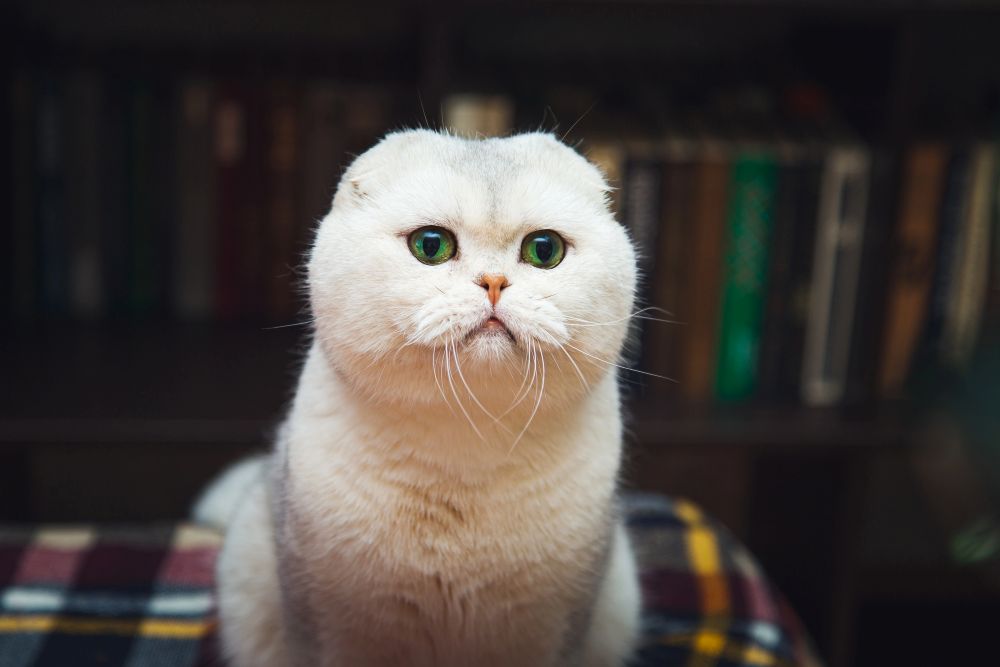
A farmer spotted a white cat named Susie with these quirky ears. Every Scottish Fold today traces its roots back to her.
The ear fold comes from a dominant gene that changes cartilage. While not all Scottish Folds are white, the white ones became show favorites.
They’ve got round faces and big eyes, giving them a sweet, unmistakable appearance.
Scottish Folds usually have calm, friendly personalities. They settle in easily and get along with kids and other pets.
Those unique ears need a little extra care, though. You’ll want to check and clean them every week to keep dirt and moisture from building up.
Maine Coon: Characteristics and Heritage
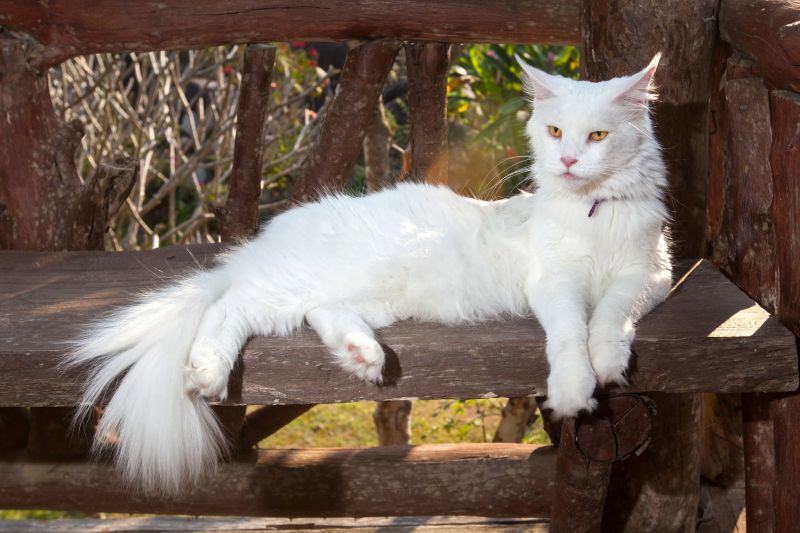
The Maine Coon came out of the north eastern United States and ended up as Maine’s official state cat. White Maine Coons aren’t as common as other colors, but they’re part of the breed’s history.
Before they became popular pets, these cats worked on farms and ships. They earned their keep long before the show ring called.
Maine Coons are one of the largest domestic cat breeds. Males tip the scales at 15 to 25 pounds, while females usually stay between 8 and 12.
Thick, water-resistant coats and big, tufted paws let them handle rough winters with ease.
They’re intelligent and sociable, fitting in well with families and other animals.
Maine Coons take their time growing up, it can take three to five years to reach their full size.
Their coats need brushing a couple times a week to keep mats away.
White Cats in Modern History and Popular Culture
Movies and TV love using white cats to show off wealth and sophistication. If a character owns a white cat, odds are they’re meant to look elegant or mysterious.
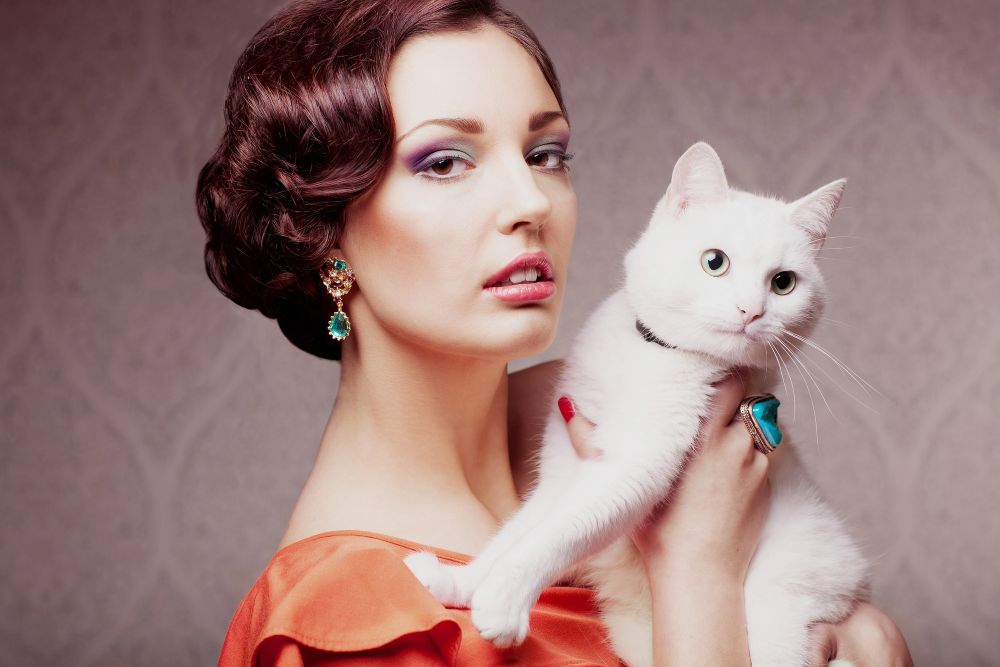
White fur stands out on screen, so it’s no wonder directors use them for visual impact.
In ads, white cats sell cleanliness and luxury. Their spotless look says “pure” and “high quality” without a word.
Follow These White Kitties on FaceBook

White Cats with odd-colored eyes or other unique features, stand out as symbols of beauty and individuality for millions online.
The French fairy tale “The White Cat,” starred a clever, creative, and charming white cat who helped a prince find love and his kingdom.

- Used Book in Good Condition
Lewis Carroll included white cats in “Through the Looking-Glass,” where the White Queen changes into Alice’s kitten, Snowdrop.

Paul Gallico’s “The Abandoned” follows a boy who mysteriously becomes a white cat living on London’s streets.
White cats linked to significant historical events or periods

That pure white look? It’s actually caused by a genetic mechanism that just hides other color patterns, rather than being a color all on its own.