Winter brings some unique challenges for our older cats. They struggle more with low temperatures than younger cats.
Senior cats can’t keep their body temperature stable as easily because their metabolism changes, they move around less, and sometimes have health problems.
To keep your senior cat warm in winter, try heated cat bedding  in draft-free spots, keep your home temperature steady, make sure your cat eats and drinks well, and watch for signs they’re too cold.
Young kittens and older cats both have trouble staying warm, so seniors need special attention when it’s chilly.
I mean let’s face it, keeping warm is a priority for us all in cold weather and I have my fair share of cold weather helpers.
Whether your senior cat is strictly indoors or likes a bit of outdoor time, these ideas can help you keep them comfortable through the cold months.
Table Of Contents
Understanding Senior Cats’ Vulnerability To Cold
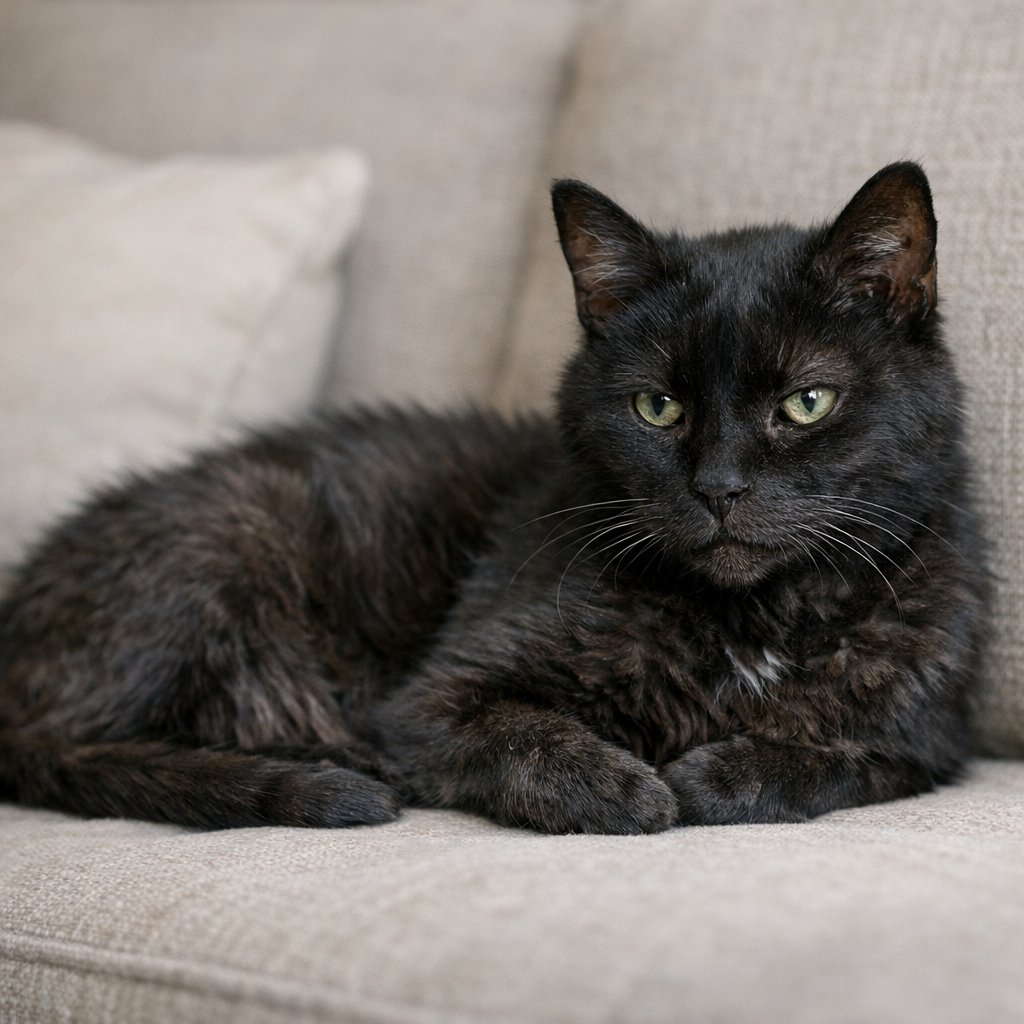
Older cats just lose their ability to keep warm as they age.
The body of an older cat changes, muscle mass drops, heat production slows, and age related health problems can mess with their natural warming systems. Yikes, am I writing about me. Maybe I am an older cat too.
Why Older Cats Are Sensitive to Temperature
Senior cats lose muscle as they get older. Since muscles generate heat, less muscle means less warmth.
Metabolism in older cats slows down, too. That means their bodies don’t make as much heat, so it’s harder for them to stay cozy.
Older cats also have thinner skin and less body fat.
Fat insulates, so without enough, older cats lose heat faster. Circulation often gets worse as cats age, so warm blood doesn’t always reach their paws and ears.
Identifying Signs of Cold Stress in Senior Cats
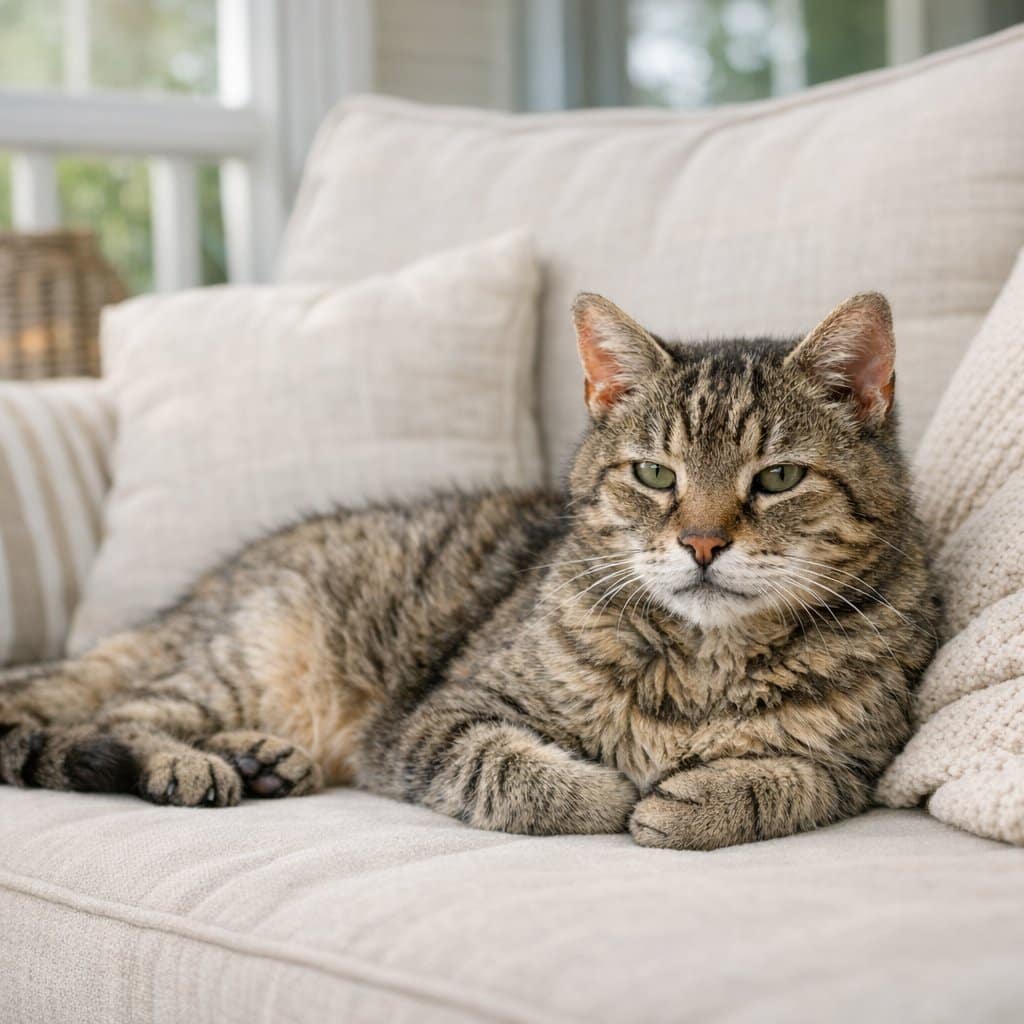
Your cat might shiver or tremble if they’re cold. Sometimes, older cats will curl up tight or look for the warmest spots in the house.
Check the ears and paws of your senior cat. If the ears and paws of your senior cat feel cool, your cat probably needs more warmth.
If your older cat is less active, sleeps more, or gets clingy, they might be chilly. Some cats just seem off or don’t want to move much.
Recognizing Health Conditions Impacting Warmth
Arthritis makes movement tough for many senior cats. Less movement in older cats means less body heat and stiff joints can make it hard to curl up for warmth.
Thyroid issues are common in older cats. Hyperthyroidism can mess with temperature control, while hypothyroidism lowers heat production.
Kidney disease makes it tough for your cat to stay hydrated, and dehydration makes it harder to regulate temperature.
Diabetes can cause poor circulation in cats, too, so warm blood doesn’t always get where it needs to go.
Heart disease slows down circulation, some parts of your cat might feel cold even if the rest seems warm.
Creating A Warm Indoor Environment For Senior Cats
Senior cats need steady warmth at home. Senior cats bodies just can’t keep up with temperature changes the way they used to.
The right room temperature, draft free spaces, and safe heating methods all help keep your older cat comfortable during winter.
Optimizing Room Temperature for Senior Cats
Keep your home between 68-70°F in winter. Older cats just can’t regulate their temperature as well as younger ones.
Set your thermostat to stay in that range, even when you’re not at home. Because your senior cat’s metabolism has slowed, they need a steady environment.
Night time temperatures can drop a lot. Keep the heat on overnight, your cat sleeps more than younger cats and needs that warmth.
Put a thermometer in the rooms where your cat hangs out. Sometimes, the thermostat reading isn’t the whole story.
Preventing Drafts and Cold Spots
Check windows and doors for gaps. Use weather stripping or draft stoppers to keep cold air out. This can make a huge difference.
Move your cat’s bed away from windows, doors, and outside walls. Those spots stay colder.
Elevate beds off the floor if you can. Cold air settles down low, so beds placed on furniture or cat trees for senior cats, are warmer.
Shut doors to rooms you don’t use. That way, you keep the heat where your cat actually spends time.
Using Space Heaters and Radiators Safely
Pick space heaters with shut off features and tip over protection.
Keep heaters at least three feet from bedding, toys, and anything flammable. Don’t leave heaters on when you’re not at home.
Oil filled radiators are a good choice. They give off gentle, steady heat and don’t get super hot on the surface.
Put covers or guards on hot radiators. Senior cats might not notice they’re too close and could get burned.
Keep heating cords tucked away from cats. Some cats chew on wires, so use cord covers or hide cords behind furniture.
Choosing The Right Bedding And Sleeping Areas For Senior Cats
Senior cats really need extra warmth. Their bodies just don’t regulate temperature like they used to.
The right bedding and where you put it can make a big difference for your older cat in winter.
Selecting Insulated Cat Beds
Insulated cat beds trap your cat’s body heat and keep out the cold. Look for thick fleece, memory foam, or sherpa—these offer warmth and cushion older joints.
Igloo beds and cat caves are great for seniors. The enclosed space of a cat cave bed, keeps heat in and makes cats feel secure.
Normally when choosing a cat bed I would suggest measuring nose to tail and adding 6-8 inches. However, for elderly cats what they need most is a bed that they can walk into without having anything high to step over and the bed needs to have soft but supportive sides so that the cat can collapse against the walls of the bed and still be supported.

Elevated Bedding For Cats Versus Floor Placement
Elevated beds keep your cat off cold floors. An elevated cat bed is perfect for rooms with tile, hardwood, or concrete that stay chilly in winter.
A cat bed raised 4-6 inches off the ground helps with airflow and avoids the coldest air.
Beds on the floor for cats, are fine on carpet or near heat sources, especially for cats with arthritis who need easy access.
Set up a few beds in different places so your cat can pick their favorite spot.
Heated Cat Beds: Benefits and Safety

- VERSATILE HEATED CAT BED: It’s a heated cat cave, it’s a heated cat tunnel, it’s both; Easy grip zipper…
- COMFORT: The exterior of this heated cat mat cave is a soft, attractive polyester modern print, with a…
- QUALITY: Sturdy foam walls maintain shape with a hanging plush cat toy attached for inside entertainment…
- AUTOMATIC SMART TEMPERATURE: The heater’s internal smart thermostat automatically warms the surface of…

Heated cat beds give steady warmth, which helps sore joints and keeps older cats comfy.
Most use low-wattage heaters that warm up to about 102°F—just right for cats.
They’re especially good for cats with arthritis, kidney disease, or thyroid issues. The gentle heat boosts blood flow and eases muscle tension.
Don’t use human heating pads—they get way too hot and can burn your cat. Stick with heated beds for pets with built-in safety controls.
Microwavable heat pads for cats are an option if you want something cord free and quick to heat.
Clothing And Accessories For Added Warmth
Senior cats lose heat easily and sometimes need an extra layer in winter. The right clothing or accessories can help without making them uncomfortable.
When to Use Cat Sweaters and Blankets
Cat sweaters are best for older cats in cold rooms or with thin fur. Cats with arthritis often feel better when their muscles stay warm.
Short haired and medically fragile cats need sweaters more than fluffy breeds.
Only use sweaters when you’re around to supervise, and take them off at bedtime.

Proper Fit and Comfort Considerations
If you are going to use a sweater for your cat, make sure the sweater fits properly. Your senior cat should be able to move, groom, and use the litter box without being restricted by a garment.
Measure your cat’s chest, neck, and length before buying a cat sweater.

- Winter-Ready Warmth & Stretch:Block winter chills with purr-fect protection! Our Cat Sweater’s super…
- Purr-fect Unisex Comfort Guaranteed:Cloud-like comfort for every cat! Crafted with gentle…
- Stylish, Snug & Sized for All:Feline fashion meets function! Our classic kitten outfit features a chic…
- Easy to Wash: Survives 50+ washes: Machine-safe construction (cold wash recommended) resists pilling. Pro…
The sweater should be snug but not tight, you should fit two fingers between the fabric and your cat. Skip anything with buttons, strings, or little decorations that could be chewed off.
Pick soft, stretchy fabrics like fleece or cotton blends. Armholes should be roomy to avoid chafing.
Watch how your cat reacts to clothing.
If the cat freezes up or seem stressed, take the sweater off right away. Some cats just don’t like clothes, most cats in reality.
Diet Adjustments to Support Warmth
Your senior cat burns more energy staying warm in winter. Try increasing their food by 10-15% during the coldest months. Note: If you are under instructions from the vet to stick to a specific diet always go with the vet’s recommendations.
High-quality protein is key for body heat. Pick foods with real meat first, and don’t forget fat, it’s concentrated energy that helps cats stay warm.
Warming up meals makes them smell better, which can tempt picky older cats to eat.
Just heat wet food for 10-15 seconds in the microwave or put the pouch in warm water for a few minutes.
Ensuring Access to Fresh Water
Senior cats already struggle with dehydration, and winter just makes things worse.
Your cat needs fresh water available all the time to keep their kidneys and overall health in good shape. Place multiple water bowls around your home, especially in warm spots.
Cats drink more when water is easy to find. Keep bowls away from drafty areas or cold windows, nobody wants a frigid drink in winter.
Ways to encourage winter water intake for senior cats:
- Use heated water bowls designed for pets
- Add warm water to wet food
- Try cat water fountains with circulating water
- Refresh water bowls twice daily with room-temperature water
Wet food gives a nice hydration boost. If your cat mostly eats wet food or you add water to meals, it really helps them meet their fluid needs in winter.
Managing Mobility and Arthritis Issues
Arthritis hits almost all cats over 12, and winter just makes joint pain worse.
Key ways to help arthritic cats:
- Provide low-sided litter boxes for easy entry
- Place food and water bowls at floor level
- Add ramps or steps to favorite sleeping spots
- Keep your home temperature at 68-70°F minimum
Short, gentle play sessions helps keep joints from stiffening up.
Talk to your vet about pain meds or joint supplements. Options like gabapentin, meloxicam, or glucosamine can help, but never give human meds to cats.
Grooming Tips to Retain Body Heat
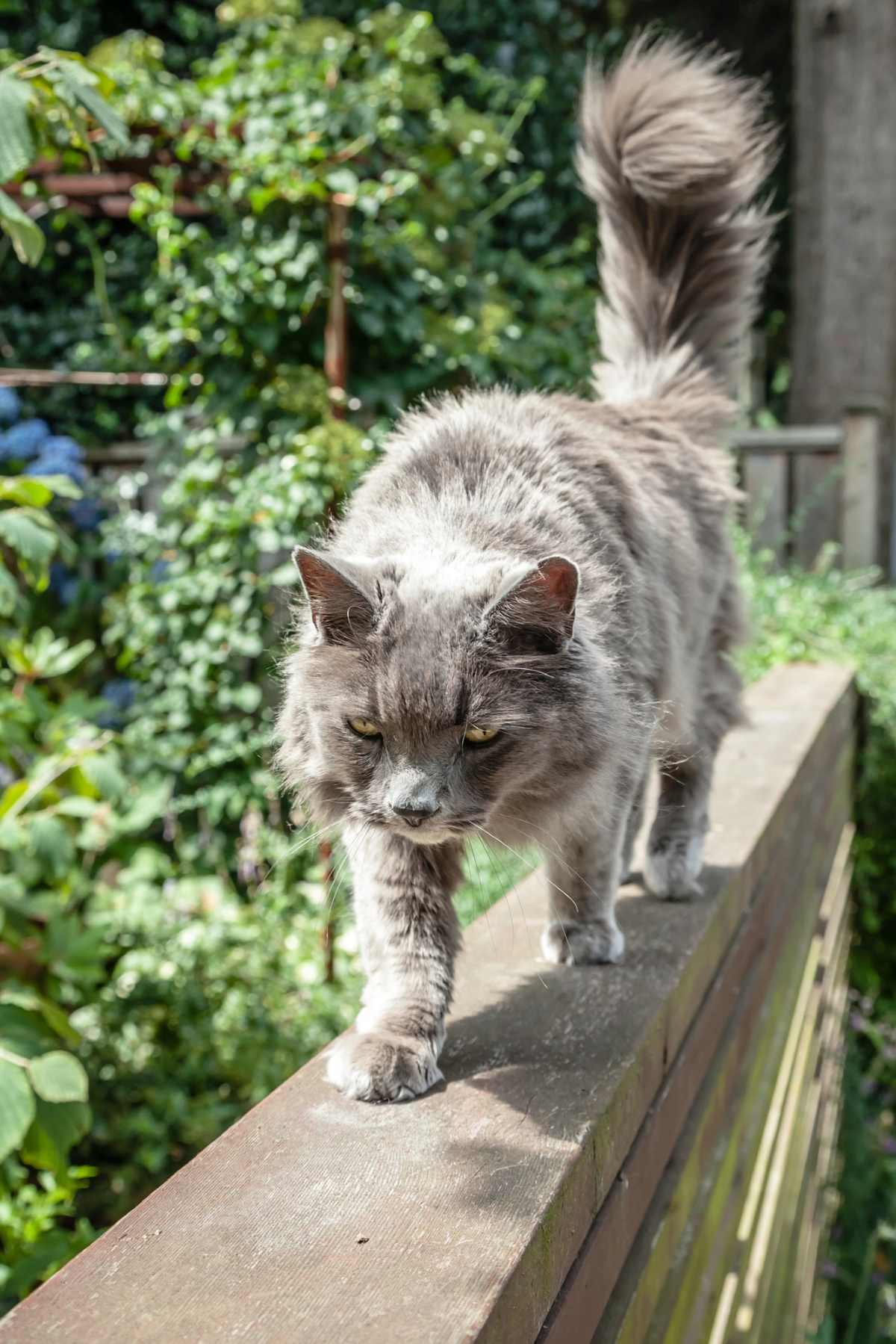
When winter hits, brush your senior cat three or four times a week. That way, you’ll remove dead hair and spread those natural oils through their fur.
Use a soft bristled brush or even a grooming glove if your cat’s skin is sensitive. If you’ve got a long-haired cat, you’ll want to brush more often to stop mats from forming as they really mess with the coat’s ability to trap warmth.
Winter Grooming Essentials:
- Brush during the warmest part of the day
- Keep grooming sessions short (5-10 minutes)
- Use a humidifier to prevent dry, flaky skin
- Avoid bathing unless absolutely necessary
Give your cat’s skin a quick check every time you groom. Dry winter air can cause dandruff and itching.
If you spot a lot of flakes, maybe ask your vet about adding omega-3 supplements to your cat’s meals. It could make a real difference.


Last update on 2026-04-07 / Affiliate links / Images from Amazon Product Advertising API