Cats bring a ton of joy and love to us, but let’s be honest, they also bring fur, litter tracking , and the occasional mess.
If you’re a cat owner, you probably know the struggle of balancing your love for your pets with your desire for a clean space.
The good news?
You don’t need fancy cleaning products or hours of daily chores to keep your place tidy with cats. Building simple daily habits, like regular brushing, quick wipes, and proper litter box maintenance makes all the difference.
These small actions stop bigger problems before they start. When you keep up with the basics, cat hair and odors feel way more manageable.
Let’s get into some practical ways to cut down on fur, protect your furniture, and eliminate pet odors.
Establishing Effective Cleaning Routines
If you break tasks into daily and weekly chunks, it’s a lot less overwhelming.
Don’t you love task chunking? I use it often, specially for those tasks that I tend to procrastinate about.
Daily Maintenance Tasks
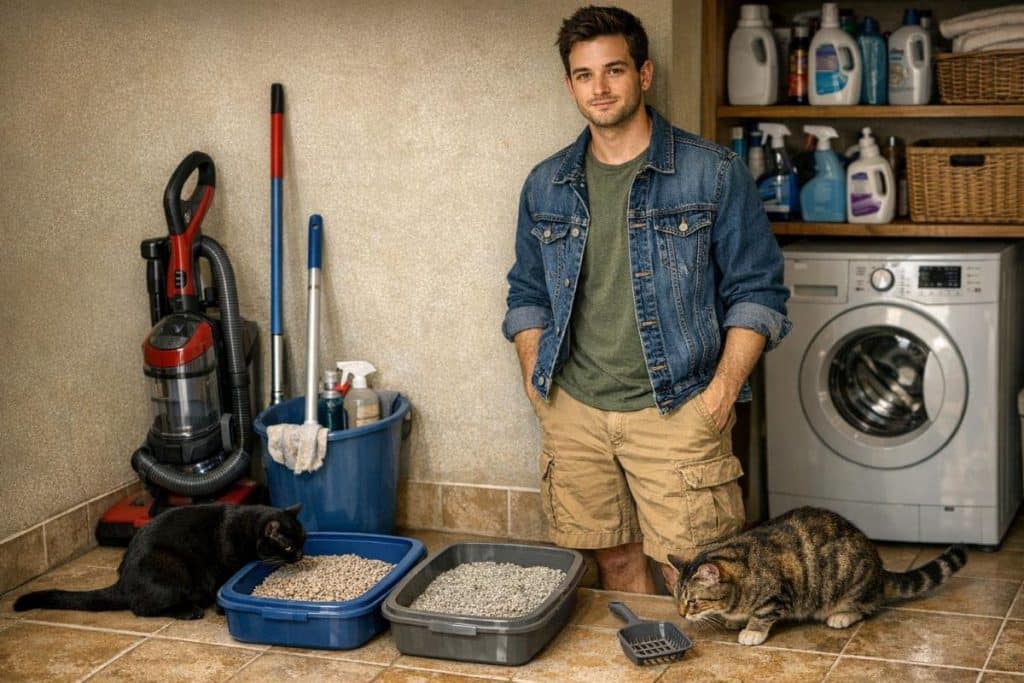
Cleaning a little every day makes a huge difference. Start by scooping the litter box at least once daily or twice if you have a multi cat household. I know it is not always possible but you can aim for this and if it happens, it happens.
Regular scooping of the litter box keeps odors down and encourages your cats to use their litter box.
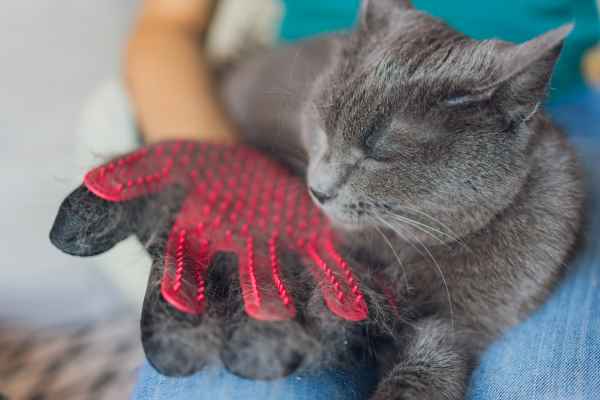
Vacuum or sweep the spots where your cats hang out most, especially carpets and furniture where hair piles up fast. Just five minutes brushing fabric sofas with one of these rubber brushesgives the furniture a zhuzh up and is super effective at removing cat hair/fur.
Or use a handheld vacuum to quickly run over the furniture.
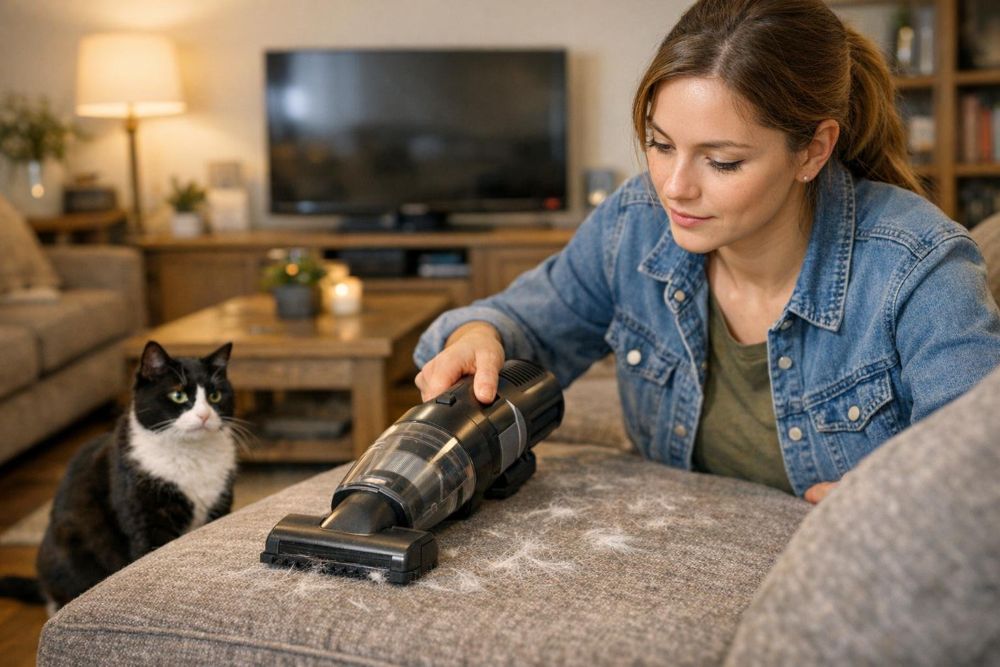
Wash food and water bowls every day with hot, soapy water, then refill with fresh supplies.
Check for spills around feeding areas and clean them up right away.
Another tip: Use a lint roller or a damp rubber glove to pull hair off furniture, especially on your cat’s favorite spots.
Weekly Deep Cleaning Strategies
Once a week, go a bit deeper. Empty and scrub all cat litter boxes with soap and water, then add fresh litter.
Vacuum entire rooms, including under furniture and along baseboards. Use attachments to tackle upholstery, curtains, and those tricky corners where hair collects.
Mop hard floors with a pet safe cleaner to pick up paw prints and stray litter. Toss your cat’s bedding, blankets, and removable furniture covers in the wash with hot water if necessary.
Throw in a cup of white vinegar during the rinse cycle to nix odors.
Dust shelves, window sills, and electronics where dander tends to settle.
Scheduling and Consistency Tips
Pick specific times for your cleaning tasks and stick with them.
Morning routines work well for scooping and feeding area clean ups, while evenings are great for a quick vacuum before bed.
Here’s an easy schedule:
- Morning: Scoop litter, wipe feeding spots, spot clean messes
- Evening: Quick vacuum, lint roll furniture, check for accidents
- Weekend: Deep clean litter boxes, wash bedding, thorough vacuuming
Set phone reminders for the weekly stuff until it becomes second nature. Keep cleaning supplies handy so you don’t waste time hunting for them.

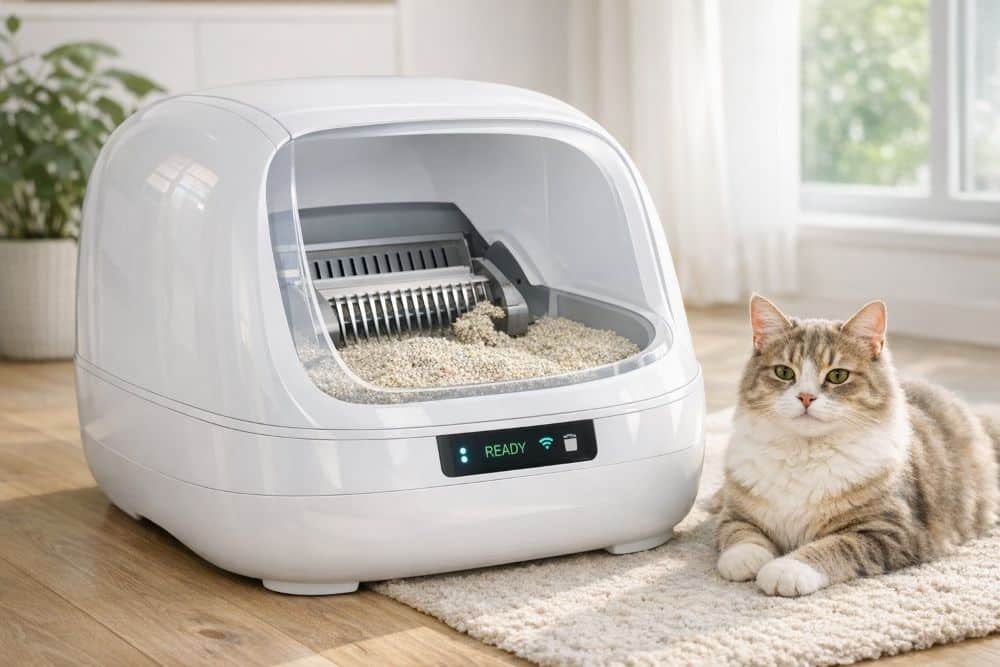
Think about making the bottom of the litter box non stick as eventually non stick surfaces can deteriorate. There are ways to make a litter box non stick.
Stash a lint roller in each main room and a handheld vacuum somewhere easy to grab.
Watch which areas your cats love most and give them extra attention as needed, no need to follow a rigid plan if it doesn’t fit your household.
Managing Cat Hair and Dander
Cat hair and dander seem to find their way onto every surface, furniture, floors, clothes, you name it.
Cat dander is tiny flakes of dead skin shed by cats, similar to dandruff in humans. It’s so small and lightweight that it floats easily through the air and sticks to furniture, clothing, and walls. It’s one of the most common causes of pet allergies in people. Regular grooming and cleaning routines help keep things under control.
Best Practices for Reducing Shedding
Brushing your cat regularly is hands down the best way to manage shedding. A daily brush pulls out loose hair before it lands on your stuff.
Use a brush that matches your cat’s fur type. Slicker brushes are great for long haired cats, while rubber grooming tools work better for short haired breeds.
Vacuuming Techniques and Tools
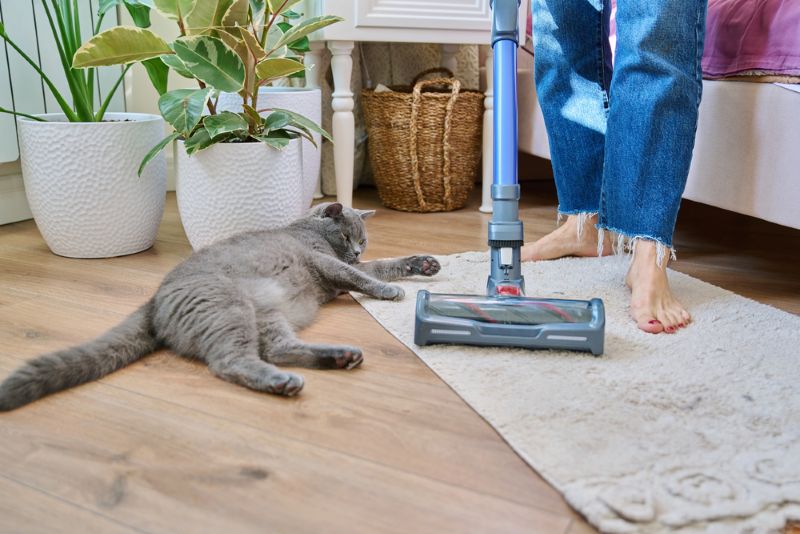
Grab a vacuum with a HEPA filter to trap cat hair and dander. HEPA filters catch those tiny allergens that regular vacuums just blow around.
Vacuum all floors, furniture, and cat hangouts at least twice a week. Focus on your cat’s favorite spots, under furniture, and along baseboards.
Use upholstery attachments for couches and chairs. Empty the vacuum canister or change bags often, full vacuums lose suction and just spread stuff around.
Clean or swap out vacuum filters every month to keep it working well. Try vacuuming in different directions to pull up hair stuck in carpet fibers, and go slow over high-traffic spots.
Effective Use of Lint Rollers
Keep lint rollers in a few rooms for quick fixes. Stick one by the front door, in the bedroom, and in the living room so you can grab it before heading out or when guests pop by.
Roll in one direction with steady pressure and peel away used sheets often. Store rollers somewhere cool and dry so they stay sticky.
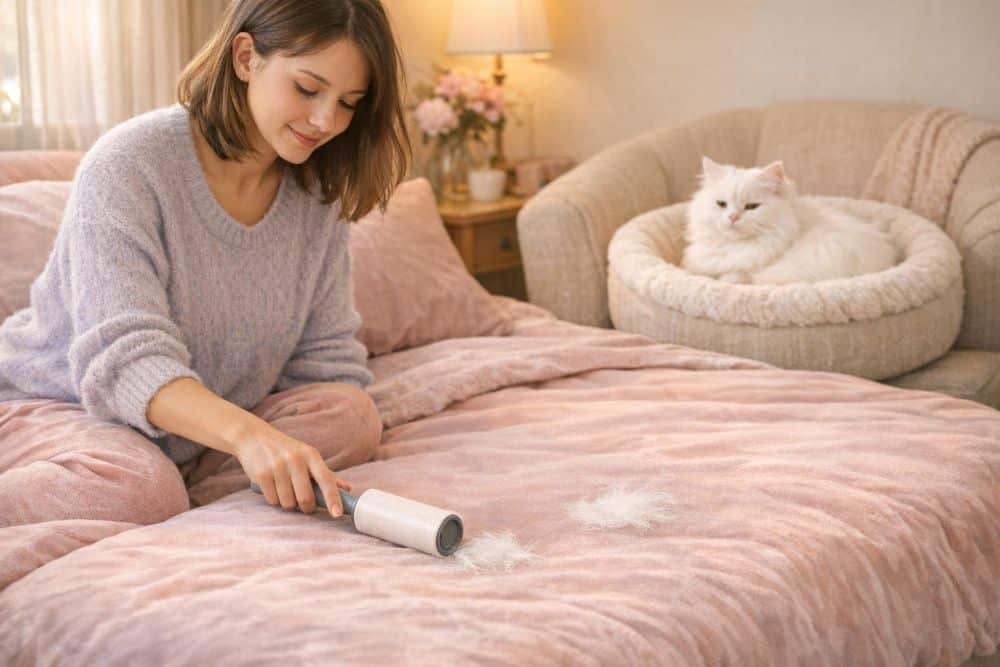
Use them on clothes, furniture, curtains, and lampshades. They’re perfect for spot-cleaning between vacuum sessions, and honestly, reusable lint rollers save money and cut down on trash.
Dealing With Litter Box Hygiene
Keeping the litter box clean protects your cat’s health and your home’s air quality. The right setup, regular upkeep, and smart litter choices make a real difference.
Recommended Cleaning Frequency
Scoop waste from the litter box every day. This keeps odors down and makes the box more inviting.
Most cats will avoid a dirty box. Once a week, empty the whole thing, scrub it with mild soap and warm water, dry it, and add fresh litter.

Change clumping litter every two or three weeks, depending on how many cats you have. Non-clumping litter needs changing twice a week since it doesn’t trap odors as well.
Pay attention if your cat starts going outside the box, that’s usually a cleanliness complaint.
Controlling Odors
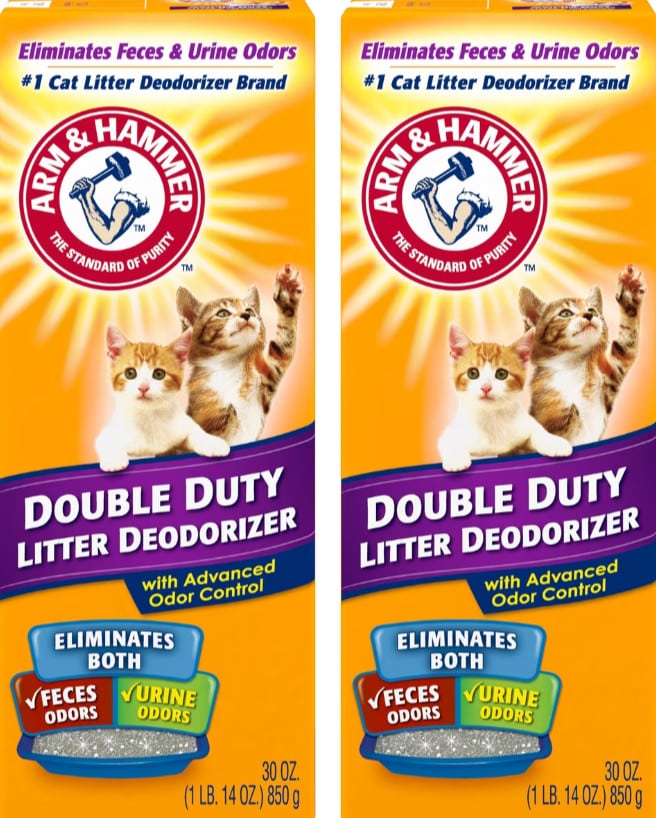
Baking soda helps neutralize smells naturally. Sprinkle a thin layer on the bottom of the clean box before adding litter, or mix a bit in directly.
Good airflow keeps odors from taking over. Place the litter box somewhere with ventilation, or use a small fan nearby to move the air.
Avoid scented litters and harsh deodorizers. Cats have sensitive noses, and strong smells might drive them away from the box. Most cats prefer unscented cat litter.
If you really want to tackle odors, try an air purifier near the litter area. It works better than just masking smells with air freshener.
Choosing the Right Type of Litter
Clumping litter makes scooping way easier since it forms solid clumps around waste. Most cat owners seem to stick with clay-based clumping litter.
Non-clumping litter is cheaper but you’ll need to change it all out more often. It soaks up moisture but doesn’t clump, so full replacements are a must.
Most cats like fine grained litter that feels soft on their paws. Fill the box about 2-3 inches deep so your cat can dig and cover waste easily.
Here is a link to an article I wrote about different types of cat litter so maybe you want to try a different litter, maybe something more eco friendly. Tofu cat litter anyone?
If you want to go green, natural litters made from corn, wheat, or wood break down in compost and make less dust.
Protecting Furniture and Surfaces
Cats scratch and shed hair, it’s just what they do. But you can protect your furniture and still keep your cat happy with a few smart moves.
Preventing Scratches and Stains
Trim your cat’s claws every 2-3 weeks to limit the damage. If you can’t bring yourself to do it go to a cat groomer or maybe someone else in the family can handle this task.
Shorter claws mean less destruction if they do go after your stuff.
Spray furniture with scent deterrents like citrus based sprays. Use them on spots your cat targets, and put scratching posts nearby.
Double sided tape works surprisingly well, cats hate the sticky feeling, so they’ll avoid taped spots. Stick it on furniture arms and corners where your cat usually scratches.
Furniture material matters:
- Tight weave fabrics resist snags better than loose weaves.
- Leather is easy to wipe but shows scratches more and little holes from sharp claws are always visible.
- Microfiber fights both scratching and stains.
- Metal and glass? Cats pretty much ignore them.
Encourage your cat to use scratching posts by placing treats nearby. Reward them right away when they use the post instead of your furniture, it really helps reinforce the habit.
Cleaning Cat Messes on Upholstery
Act fast when accidents happen. Blot up liquid right away with paper towels or a clean cloth.
Press down to soak up as much as you can. Try not to rub, or you’ll just push the stain deeper into the fabric.
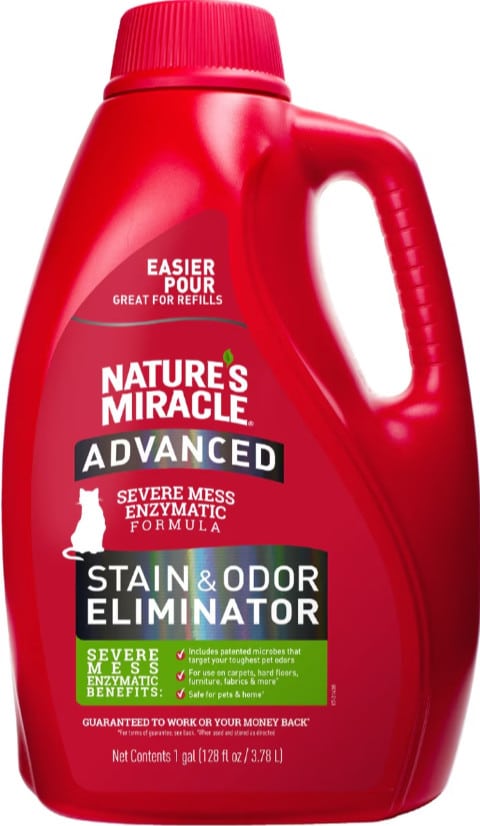
Grab an enzyme-based cleaner made for pet messes. These products break down the proteins in urine and other gross stuff.
Spray the spot and let it sit as long as the label says. Don’t rush it, the cleaner needs time to work.
Baking soda works wonders for odors. Sprinkle it over the spot after you’ve used the enzyme cleaner.
Leave it for a few hours, or overnight if you can stand it, then vacuum it up thoroughly.
If you’re dealing with hairballs or solid messes, pick up the debris first. Mix some warm water and a bit of mild dish soap to clean the leftover stain.
Blot the area dry with clean towels. It might take a couple of tries, but it’s worth it.
Using Furniture Covers and Protectors

Okay, doggies need this too. Just picture your kitty cat in this photo. Washable furniture covers really help protect your upholstery from fur, scratches, and stains. Pick covers made from sturdy, machine-washable fabric so you can toss them in the wash every week.
Blankets or throws work great where your cat likes to hang out. They give your cat a spot to snooze and keep the furniture underneath cleaner.
Wash those throws as necessary to keep fur under control. It’s honestly less effort than constantly vacuuming the couch.
Types of effective protectors:
- Slipcovers: Full coverage for sofas and chairs
- Furniture guards: Clear plastic shields for specific areas
- Arm covers: Targeted protection for furniture arms and backs
- Seat cushion covers: Easy-to-remove protection for cushions
- Cardboard Cat Scratchers
 : Save your sofa
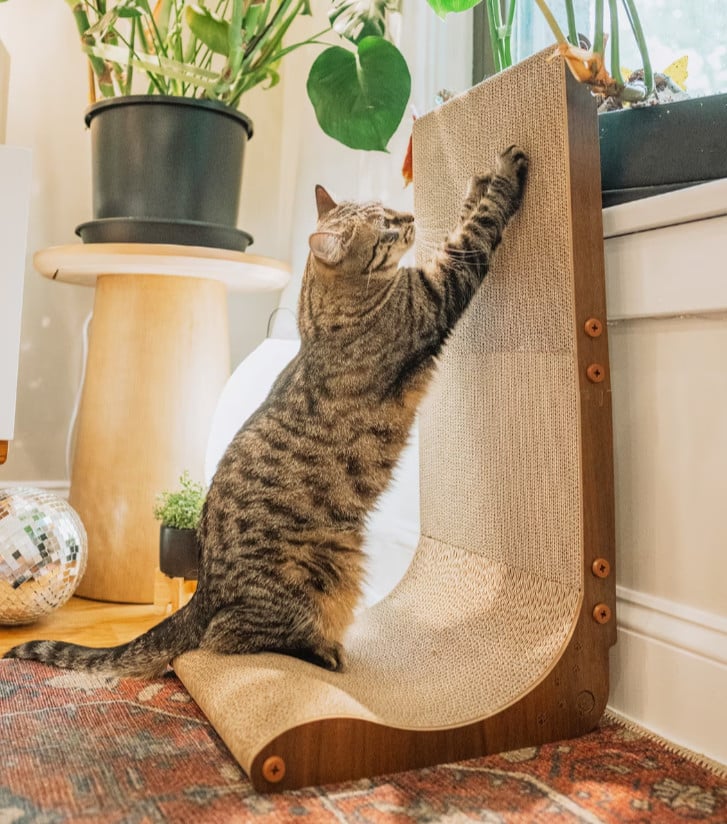
Stick scratch guards on the corners and arms, where cats always seem to scratch the most. These protectors, whether they’re clear plastic or wrapped in sisal, take the hit instead of your furniture.
Just swap them out when they get worn, way cheaper than buying a new couch.

Maintaining a Fresh and Odor-Free Home
Keeping your place smelling fresh with cats around means tackling litter box odors, cleaning the air, and picking pet safe products.
Good airflow and the right cleaning tricks really change the vibe of your space.
Air Purification Methods
Air purifiers with HEPA filters can pull cat dander, hair, and odor particles out of the air. Set them up in rooms where your cat spends most of their time, especially near the litter box.
Baking soda’s a classic. Sprinkle it on carpets before you vacuum or leave open boxes in corners to soak up smells.
It’s cheap, safe for cats, and honestly works better than a lot of fancy stuff. Sometimes simple is best.
Indoor plants like spider plants and Boston ferns clean the air naturally. They add oxygen and help get rid of toxins.
Just double-check that your plants aren’t toxic to cats, some common houseplants can actually make them sick.
Activated charcoal bags are handy too. They quietly suck up moisture and odors without adding any weird scent to your home.
Hang them near litter boxes or stash them in closets where you keep cat bedding. Refresh them in the sun every month or so.
Proper Ventilation Guidelines
Crack open your windows for 10 or 15 minutes each day. Fresh air does more for odors than any spray ever could.
Run exhaust fans in bathrooms and kitchens to keep air moving through your place. These fans pull out humid air, which can make pet smells worse if it just sits there.
Keep ceiling fans going all year. In summer, set them to spin counterclockwise; in winter, clockwise.
Moving air stops odor pockets from building up in corners or closed-off rooms. It’s an easy fix that people often forget.
Selecting Pet-Safe Cleaning Products
Avoid cleaners with ammonia, bleach, phenols, or pine oils. These chemicals can seriously harm cats, especially their liver or respiratory system.
Cats have sensitive noses, and even mild fumes might make them sick. What smells fine to you could be overwhelming for them.
Mix white vinegar with equal parts water to safely clean most surfaces. Vinegar breaks down urine odors and kills bacteria, all without putting your cat at risk.
If you want a fresher scent, try adding a few drops of lemon juice. That little tweak goes a long way.
Enzyme-based cleaners, made for pet messes, actually break down the proteins in urine and feces. Regular cleaners just cover up smells, but enzymes get right to the source.
Go for products labeled as pet-safe or non-toxic. It’s just not worth the gamble otherwise.
Safe Cleaning Options:
- Unscented dish soap and water
- Hydrogen peroxide (3% solution)
- Baking soda paste
- Castile soap diluted in water
Check product labels every time. If you can’t find the ingredients, or if it says to keep pets away until it dries, honestly, you’re better off picking something else.